ICE Agents to Wear Body Cameras During Raids Amid Increased Scrutiny
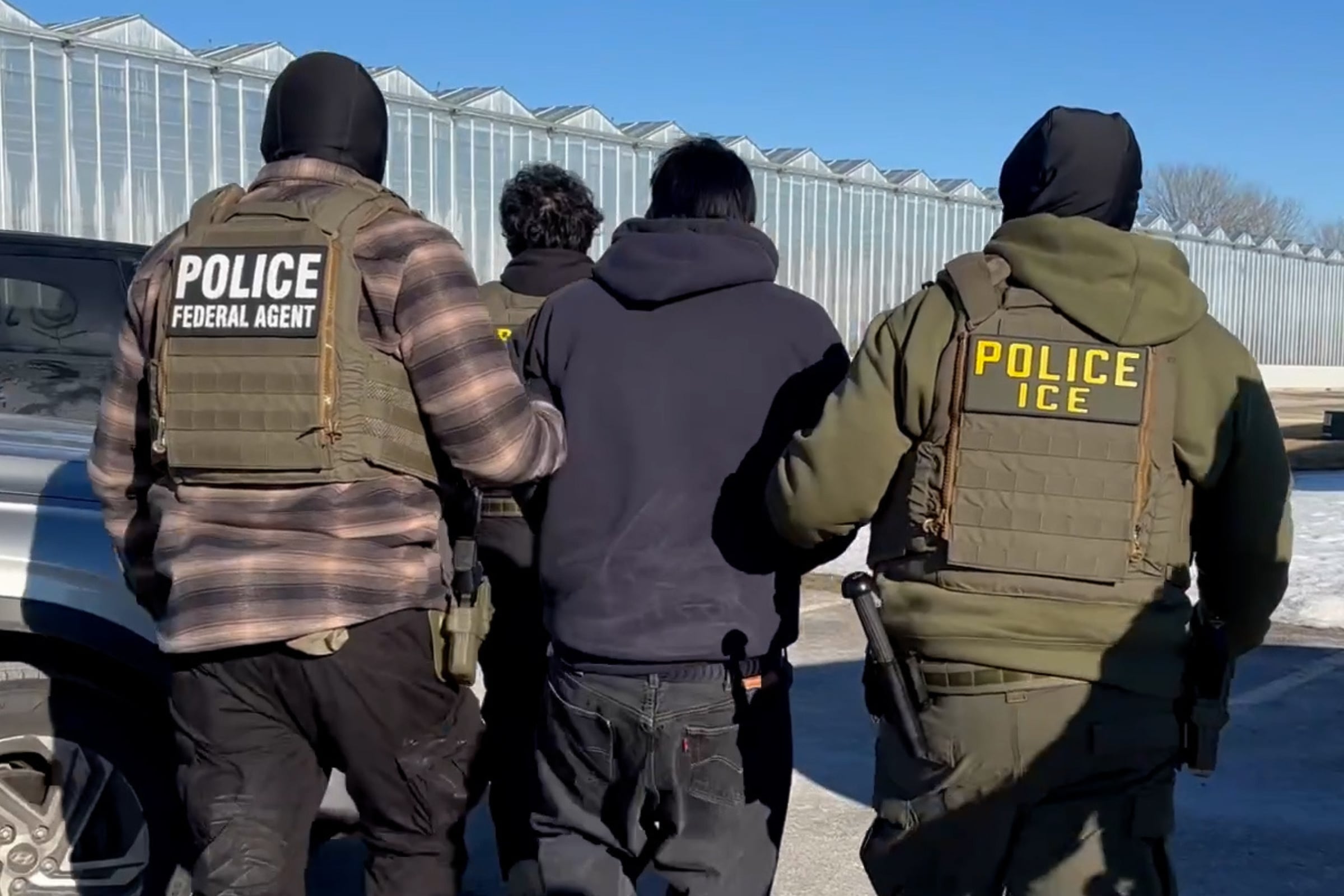
U.S. Immigration and Customs Enforcement (ICE) will equip all arrest teams with body-worn cameras during immigration operations, aiming to enhance transparency and document agent actions. This decision by the Department of Homeland Security (DHS) comes amid heightened debate over the use of force during immigration raids and follows two fatal shootings involving ICE agents in Texas and Maine. In both incidents, the involved officers were not wearing body cameras, and the individuals were not the primary targets of the operations. The DHS stated that equipping agents with cameras is an absolute priority, intended to protect both officers and individuals, and to provide audiovisual evidence in case of incidents. While ICE's legal authority to conduct operations remains unchanged, the widespread use of cameras will significantly increase the audiovisual record of interventions, potentially aiding internal investigations and legal processes. This measure is expected to particularly impact communities with large Hispanic populations, where concerns about excessive force and wrongful detentions have been persistent. The deployment of body cameras has been an ongoing process, accelerated by public pressure and recent events, with Congress allocating an additional $20 million to expand the program. Furthermore, ICE has temporarily suspended most vehicle apprehensions during operations, except for high-risk targets, to allow agents additional training on new operational measures. The goal is for all ICE field officers to have access to body cameras by the end of July, introducing a new layer of oversight for immigration enforcement activities.
The implementation of body-worn cameras by ICE agents represents a significant shift towards increased accountability in immigration enforcement. This move, spurred by public outcry and tragic incidents, aims to provide objective records of interactions, potentially mitigating disputes and ensuring adherence to protocols. From a systemic perspective, this technology can serve as a crucial tool for evaluating operational effectiveness and identifying areas for procedural improvement within the agency. However, the mere presence of cameras does not inherently alter the legal framework or the underlying pressures driving enforcement actions. Future effectiveness will depend on robust data management, transparent review processes, and the agency's willingness to adapt policies based on the evidence captured. The broader implications involve balancing national security imperatives with civil liberties, a dynamic that will continue to evolve in the coming decade.
AI-generated to prompt reflection — not editorial opinion, not advice, not a statement of fact. How this works.