ICE and TSA Data Sharing Memo: What it Means for Airport Arrests
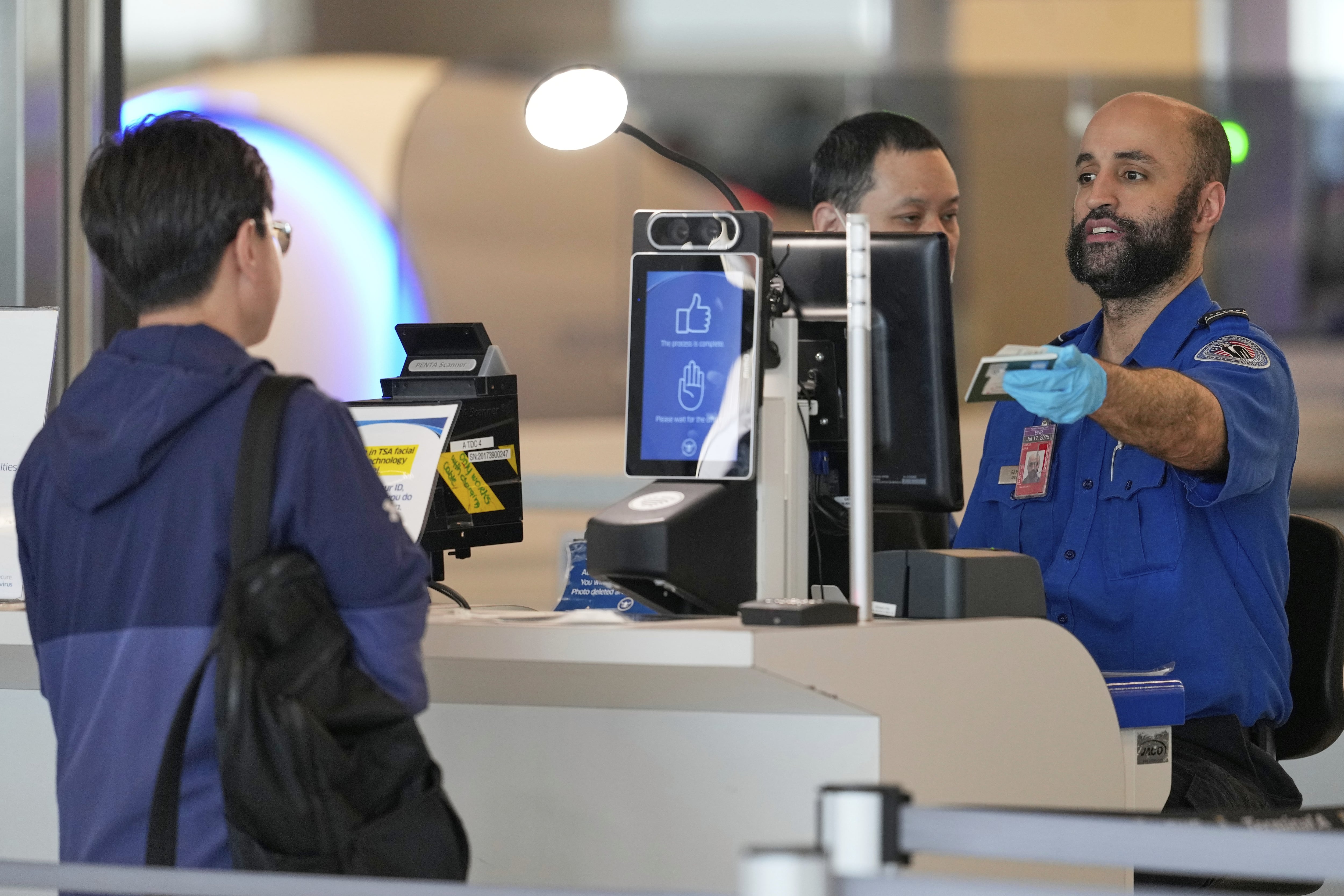
A memorandum of understanding between U.S. Immigration and Customs Enforcement (ICE) and the Transportation Security Administration (TSA) outlines procedures for sharing traveler data. This agreement allows for the exchange of information that can be utilized in identifying and apprehending individuals at airports. The memo details the specific types of data that can be shared and the circumstances under which this information can be accessed by ICE agents. This data sharing is a component of broader efforts to enhance security and enforce immigration laws within transportation hubs.
The information exchanged under this agreement is reportedly used to facilitate arrests of individuals wanted by ICE. The TSA, responsible for airport security, collects vast amounts of passenger data, including travel itineraries and personal information. This data, when shared with ICE, can provide critical intelligence for enforcement actions. The specifics of the memo aim to clarify the legal framework and operational guidelines for this inter-agency cooperation, ensuring that data is used in accordance with established protocols.
The data-sharing agreement between ICE and the TSA highlights the increasing integration of security and immigration enforcement within the U.S. transportation system. This collaboration leverages the TSA's extensive passenger data collection capabilities to support ICE's enforcement objectives. From a systems perspective, such inter-agency data sharing can enhance operational efficiency and national security by providing a more comprehensive intelligence picture. However, it also raises questions about data privacy, the potential for mission creep, and the civil liberties implications of using travel data for immigration enforcement. The long-term impact will depend on the robustness of oversight mechanisms, transparency in data usage, and the balance struck between security imperatives and individual rights in an era of pervasive digital surveillance.
AI-generated to prompt reflection — not editorial opinion, not advice, not a statement of fact. How this works.
