ICE Detains Kidney Donor Who Saved His Brother's Life
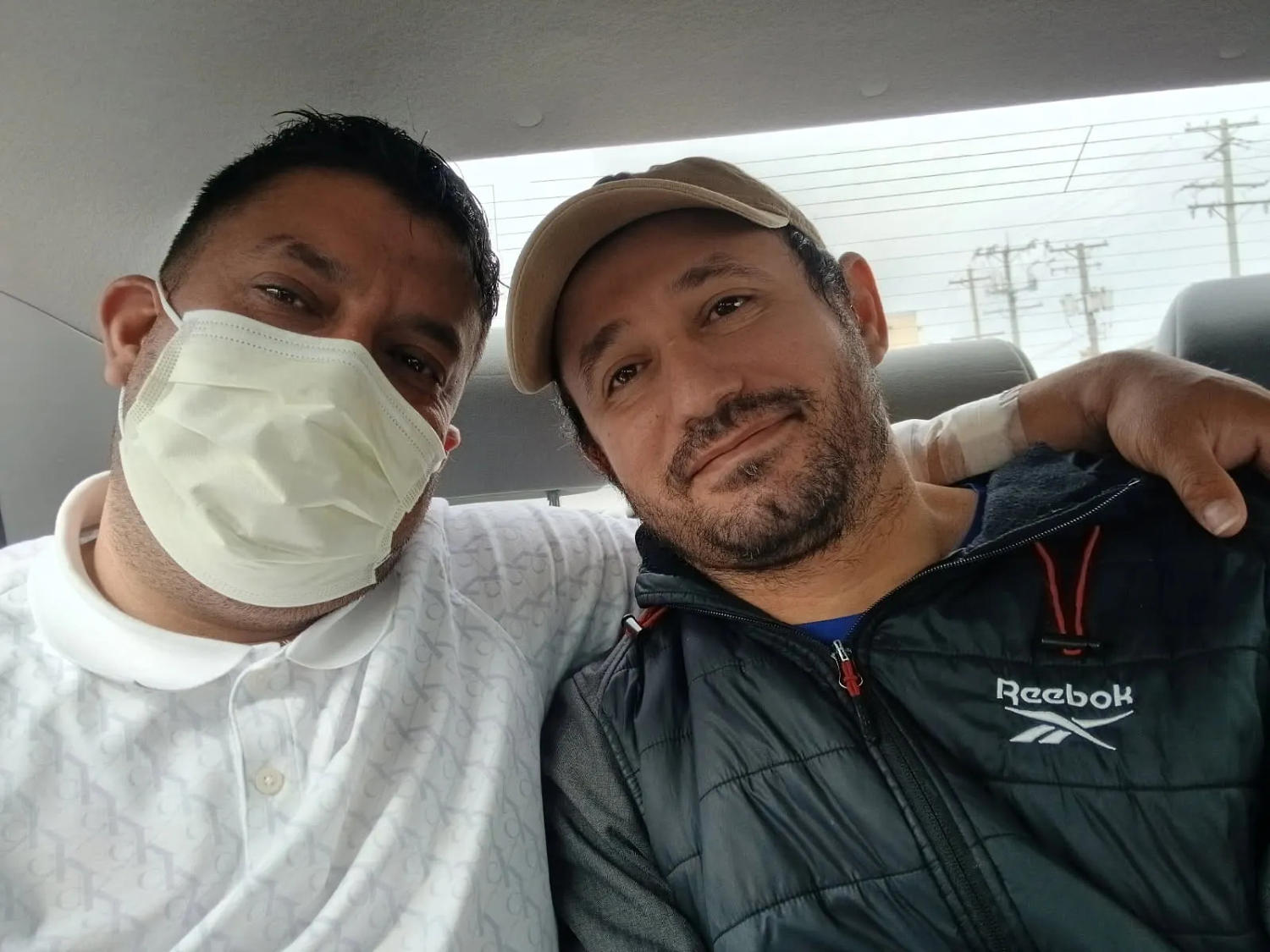
José Gregorio González, an immigrant who donated a kidney to save his brother's life, has been detained by U.S. Immigration and Customs Enforcement (ICE). González was taken into custody during a routine check-in with ICE officials. He has been serving as his brother's primary caregiver since the kidney transplant surgery. The circumstances surrounding his detention during a scheduled appointment raise questions about the enforcement priorities of ICE. González's act of organ donation highlights his significant contribution to his family's well-being. His detention now places his brother in a precarious caregiving situation. The case brings attention to the complex intersection of immigration enforcement and humanitarian circumstances.
This situation presents a stark conflict between immigration enforcement protocols and humanitarian considerations. While ICE operates under specific legal mandates, the detention of an individual who has made such a profound life-saving contribution, and who is now essential to the recipient's ongoing care, raises questions about the practical and ethical implications of enforcement actions. The incident underscores the potential for immigration policies to inadvertently disrupt critical support systems for vulnerable individuals, including those who have demonstrated significant civic and familial commitment. Future policy discussions might consider mechanisms to better balance enforcement objectives with the recognition of such extraordinary humanitarian acts and their impact on dependents.
AI-generated to prompt reflection — not editorial opinion, not advice, not a statement of fact. How this works.