ICE Raids in Texas Impact Housing Construction and Costs, Report Finds
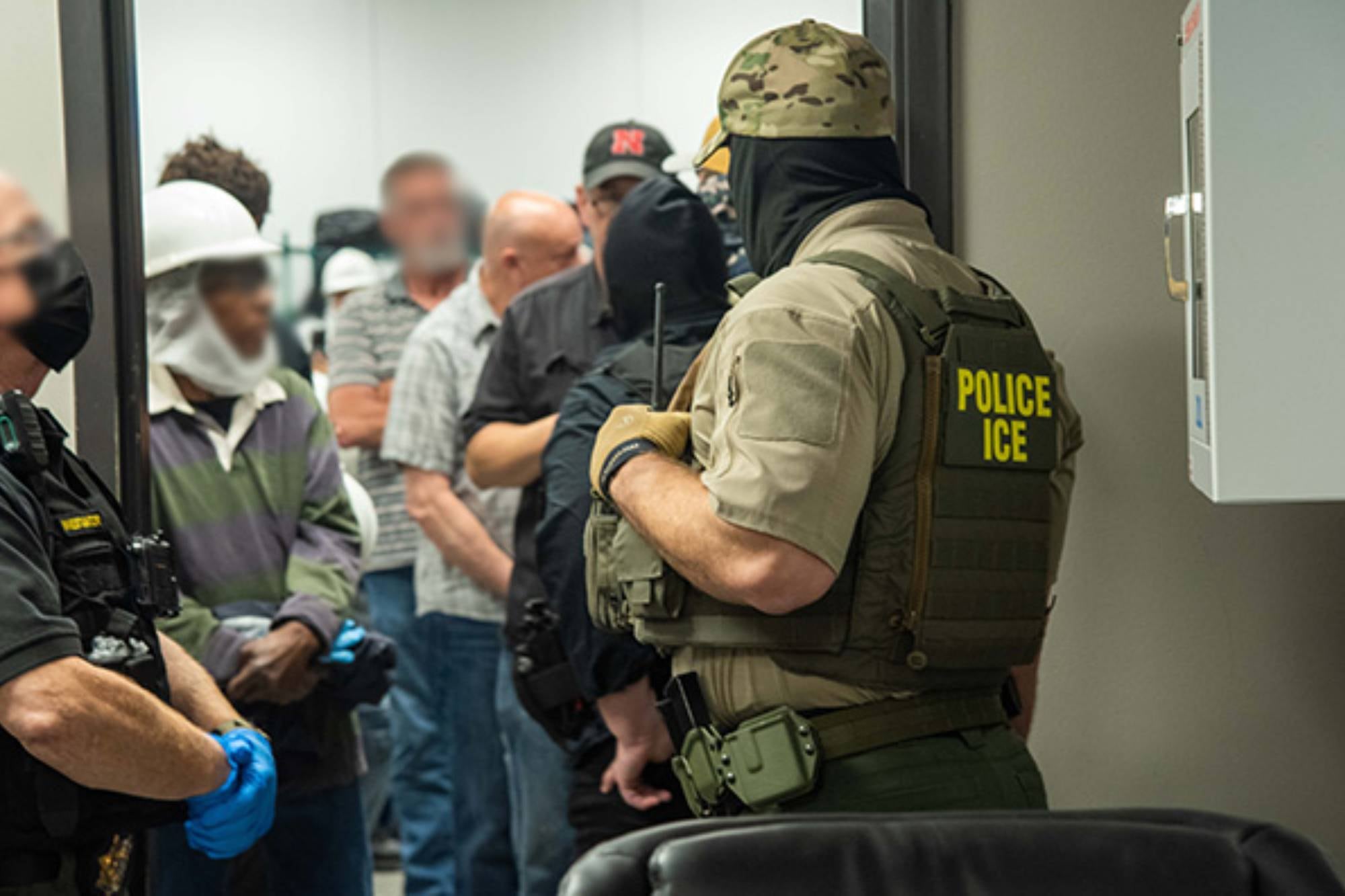
A new report details how Immigration and Customs Enforcement (ICE) raids in Texas are affecting the construction industry and potentially driving up housing costs. The findings highlight a significant correlation between increased enforcement actions and challenges faced by builders. These challenges could lead to delays in construction projects and a subsequent rise in the price of homes. The report aims to shed light on the economic consequences of these immigration enforcement measures within the state's crucial housing sector. It suggests that the availability of labor, a key component in construction, is being disrupted by these raids. This disruption, in turn, is creating a bottleneck that impacts the pace of new home development. Consequently, consumers may face higher prices for housing as the supply struggles to keep up with demand due to these labor shortages. The report provides data-driven insights into how federal immigration policies can have tangible effects on local economies and the cost of living.
The report's findings suggest that immigration enforcement actions, such as ICE raids, can have unintended economic consequences on vital sectors like housing construction. Disruptions to labor supply, a critical input for the construction industry, can lead to increased project costs and slower development. This dynamic illustrates the complex interplay between federal policy, labor markets, and local economic outcomes. Policymakers may need to consider the broader economic ripple effects when designing and implementing immigration enforcement strategies, particularly in regions heavily reliant on construction. Evaluating alternative approaches to labor management and workforce integration could mitigate these impacts and support housing affordability in the long term.
AI-generated to prompt reflection — not editorial opinion, not advice, not a statement of fact. How this works.