Iceberg May Have Caused Starvation of Emperor Penguin Chicks in Antarctica
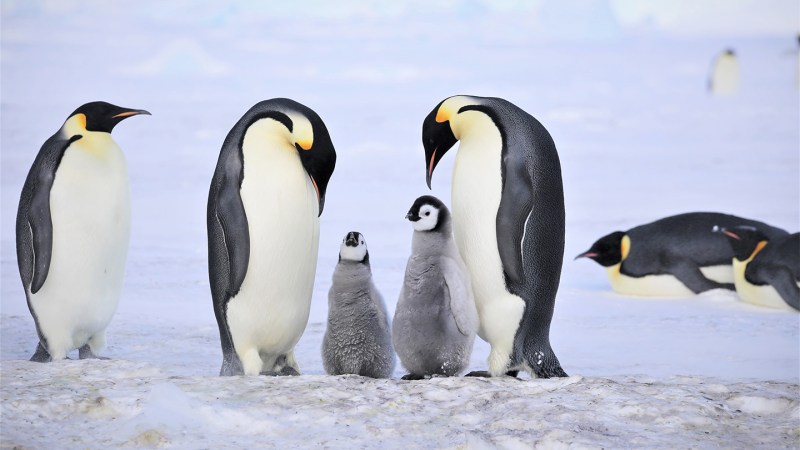
A significant die-off of emperor penguin chicks occurred in 2025 at a colony in Antarctica. Researchers suspect that a large, grounded iceberg in close proximity to the colony may be responsible for the devastating event. The iceberg's position could have disrupted the penguins' access to their primary food sources, leading to starvation among the young. Emperor penguins rely heavily on krill and fish, which they typically forage for in open waters. If the iceberg blocked or significantly altered the usual foraging routes, adult penguins may have struggled to find enough food to sustain themselves and their chicks. This event highlights the vulnerability of Antarctic wildlife to environmental changes, including the unpredictable movements of ice formations. Further investigation is needed to confirm the iceberg's direct impact and to understand the long-term implications for this emperor penguin population. Conservation efforts may need to consider the role of such environmental factors in species survival.
The potential link between the grounded iceberg and the emperor penguin chick mortality underscores the delicate ecological balance in polar regions. Changes in sea ice and iceberg dynamics, influenced by broader climate shifts, can directly impact marine food webs and breeding success for iconic species. This situation prompts consideration of how environmental stability, crucial for species like emperor penguins, is increasingly threatened by factors beyond their immediate control. Future conservation strategies may need to incorporate predictive modeling of iceberg movements and their potential effects on critical habitats to mitigate such losses.
AI-generated to prompt reflection — not editorial opinion, not advice, not a statement of fact. How this works.
