Iceland Begins Early Voting on Potential EU Membership Re-negotiation
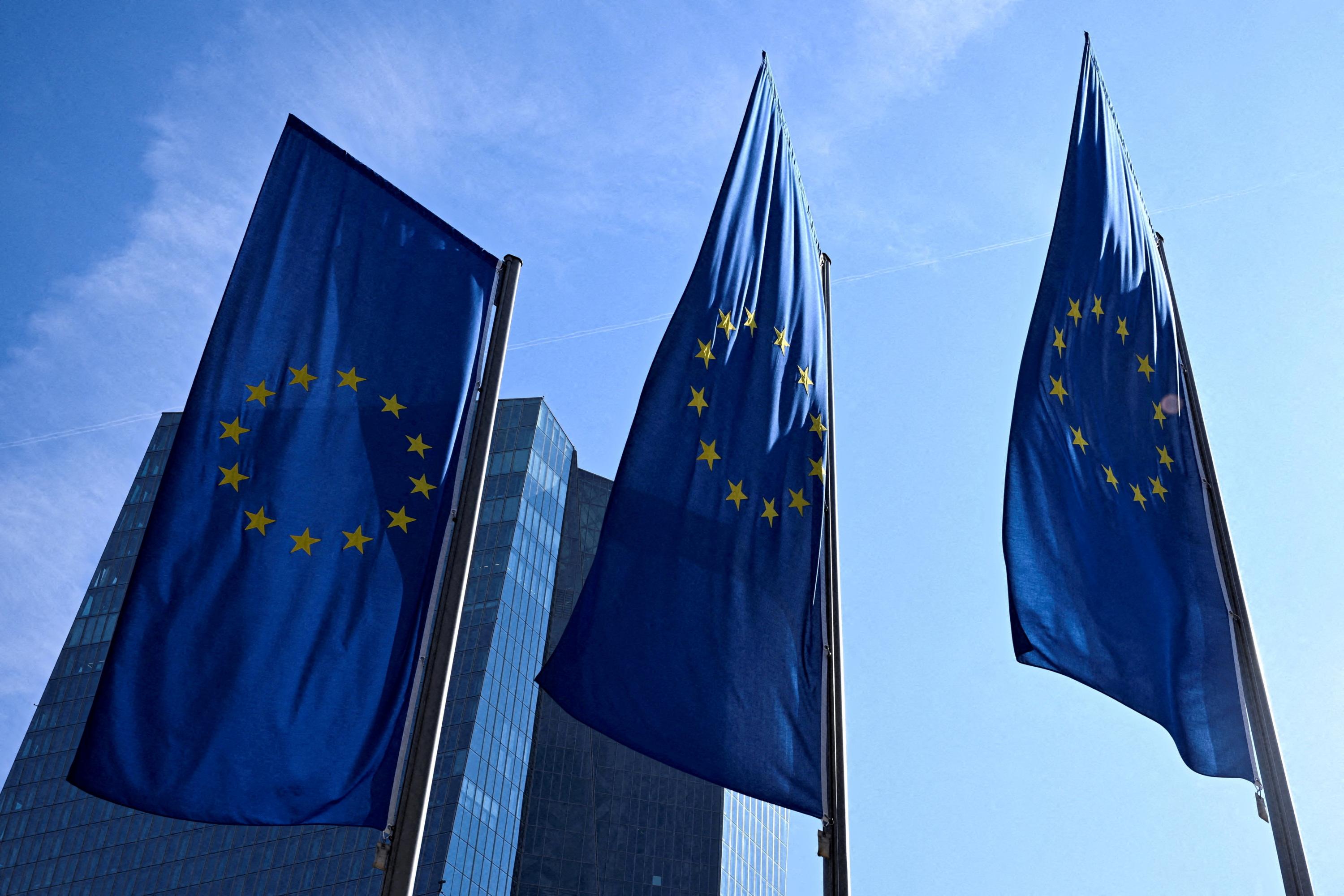
Iceland has initiated early voting regarding a potential resumption of its accession talks with the European Union. The nation initially submitted its application to join the EU in 2009, a move prompted by the severe economic crisis that impacted its economy. However, the formal negotiations for membership were officially halted in 2015. This current vote signifies a renewed consideration of a path toward EU integration after years of suspended discussions. The outcome of this early voting process will likely influence the future direction of Iceland's relationship with the European bloc.
Iceland's early vote on re-opening EU accession talks reflects a recurring tension between national sovereignty and the perceived economic benefits of integration, particularly in the wake of past financial instability. The decision to revisit membership negotiations, years after their suspension, suggests a potential re-evaluation of geopolitical and economic landscapes. This process highlights the complex interplay of domestic political will and external economic pressures that shape a nation's foreign policy choices. The long-term implications will depend on evolving economic conditions, global stability, and the specific terms of any potential re-negotiation, offering a case study in how nations navigate integration versus independence in a dynamic global environment.
AI-generated to prompt reflection — not editorial opinion, not advice, not a statement of fact. How this works.