Icelandic Hotels Anticipate Strong Demand for Solar Eclipse Despite Weather Concerns
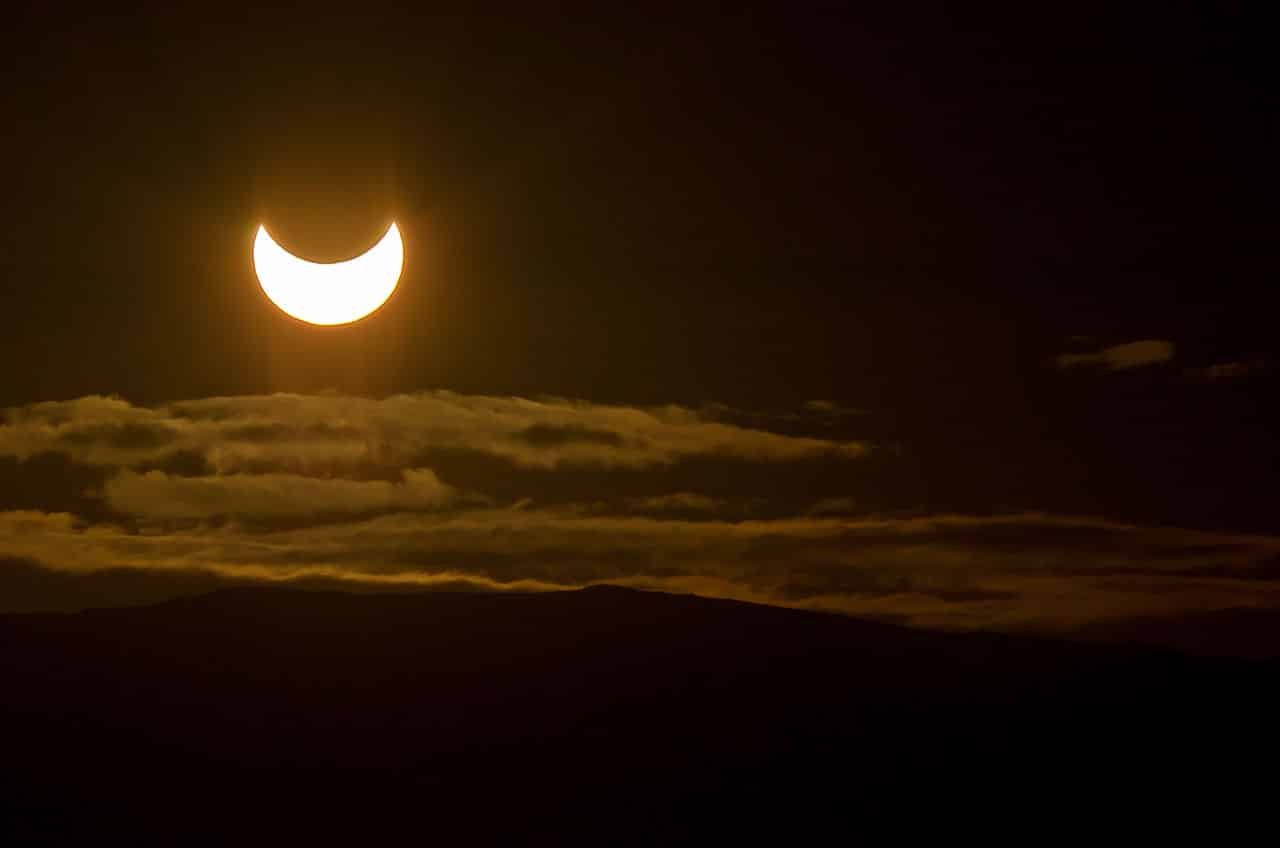
Iceland's hotel sector anticipates robust demand for bookings related to the upcoming total solar eclipse on August 12, even with uncertain weather forecasts. Industry representatives believe that most visitors have already finalized their travel plans and are unlikely to cancel due to potential inclement weather. The eclipse is expected to attract a significant influx of tourists, with particular interest focused on West Iceland and the Westfjords, regions that will experience the full totality of the event. This strong commitment from travelers suggests a resilience in tourism planning, where major astronomical events can override typical weather-related booking considerations. The industry is preparing for a surge in occupancy, highlighting the unique draw of celestial phenomena for international and domestic visitors alike. The expectation is that the allure of witnessing a total solar eclipse will maintain booking levels, underscoring the event's significance as a tourism driver.
The Icelandic tourism sector's confidence in eclipse-related bookings, despite weather volatility, highlights the powerful draw of unique, time-sensitive events. This scenario presents a case study in event-driven tourism, where the perceived value of the experience outweighs typical travel risks. As the world increasingly seeks novel experiences, such events can offer significant economic boosts but also underscore the need for robust contingency planning. Future tourism strategies might consider how to leverage such predictable astronomical or natural phenomena, while also building resilience against unpredictable environmental factors, potentially through flexible booking policies or alternative attractions. The long-term sustainability of relying on such singular events versus diversified tourism offerings remains a key consideration for Iceland's economic future in the coming decade.
AI-generated to prompt reflection — not editorial opinion, not advice, not a statement of fact. How this works.