ICMBio Organizes Campaign to Capture Invasive African Snails in Fernando de Noronha
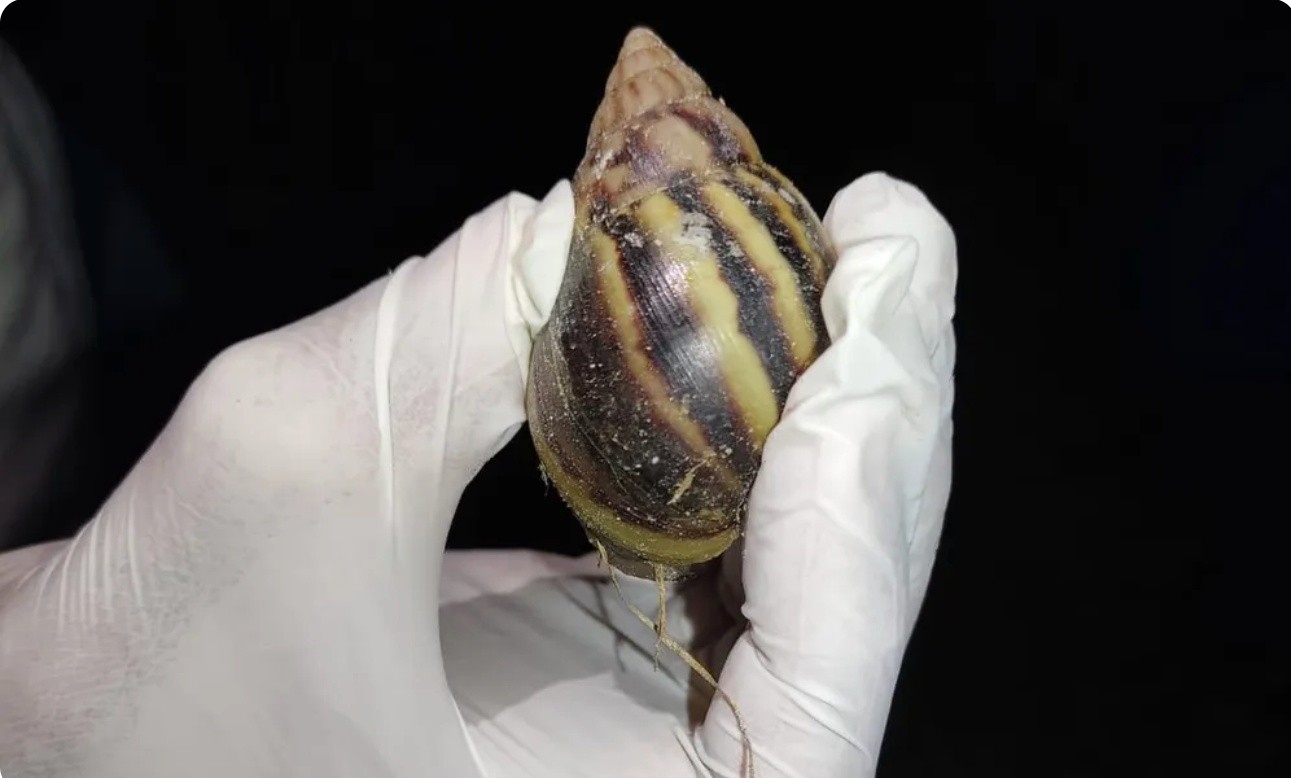
The Chico Mendes Institute for Biodiversity Conservation (ICMBio) is organizing a volunteer effort on Thursday, November 9th, to capture the invasive African snail (Achatina fulica) in Fernando de Noronha. This exotic species poses significant risks to both the environment and public health. Volunteers are instructed to gather at 7 PM in front of the Heleno Armando Library in Vila do Trinta. Participants are advised to wear long pants, closed-toe shoes, and bring a flashlight if possible. The African snail can transmit the parasite Angiostrongylus cantonensis to humans, which causes eosinophilic meningitis. Environmentally, these herbivorous snails consume over 500 plant species, potentially devastating gardens and other vegetated areas. Researchers suspect the snails arrived on the island with construction materials. Residents finding these snails are urged to contact the Sanitary Surveillance at (81) 99488-4366 for proper handling guidance. ICMBio emphasizes that community cooperation is crucial for effective control measures and the preservation of the island's biodiversity. Authorities recommend reporting construction sites to Sanitary Surveillance for inspection.
The ICMBio's initiative addresses the ecological and public health threat posed by the invasive African snail in Fernando de Noronha. This action highlights the ongoing challenge of managing non-native species, which can disrupt local ecosystems and introduce disease vectors. The campaign's success will likely depend on sustained public engagement and effective coordination between conservation agencies and local communities. Looking ahead, proactive biosecurity measures and early detection systems will be critical to prevent similar invasions and mitigate their long-term impacts on biodiversity and human well-being in sensitive island environments.
AI-generated to prompt reflection — not editorial opinion, not advice, not a statement of fact. How this works.