Iconic Cashew Tree in Brazilian Avenue Succumbs to Termites
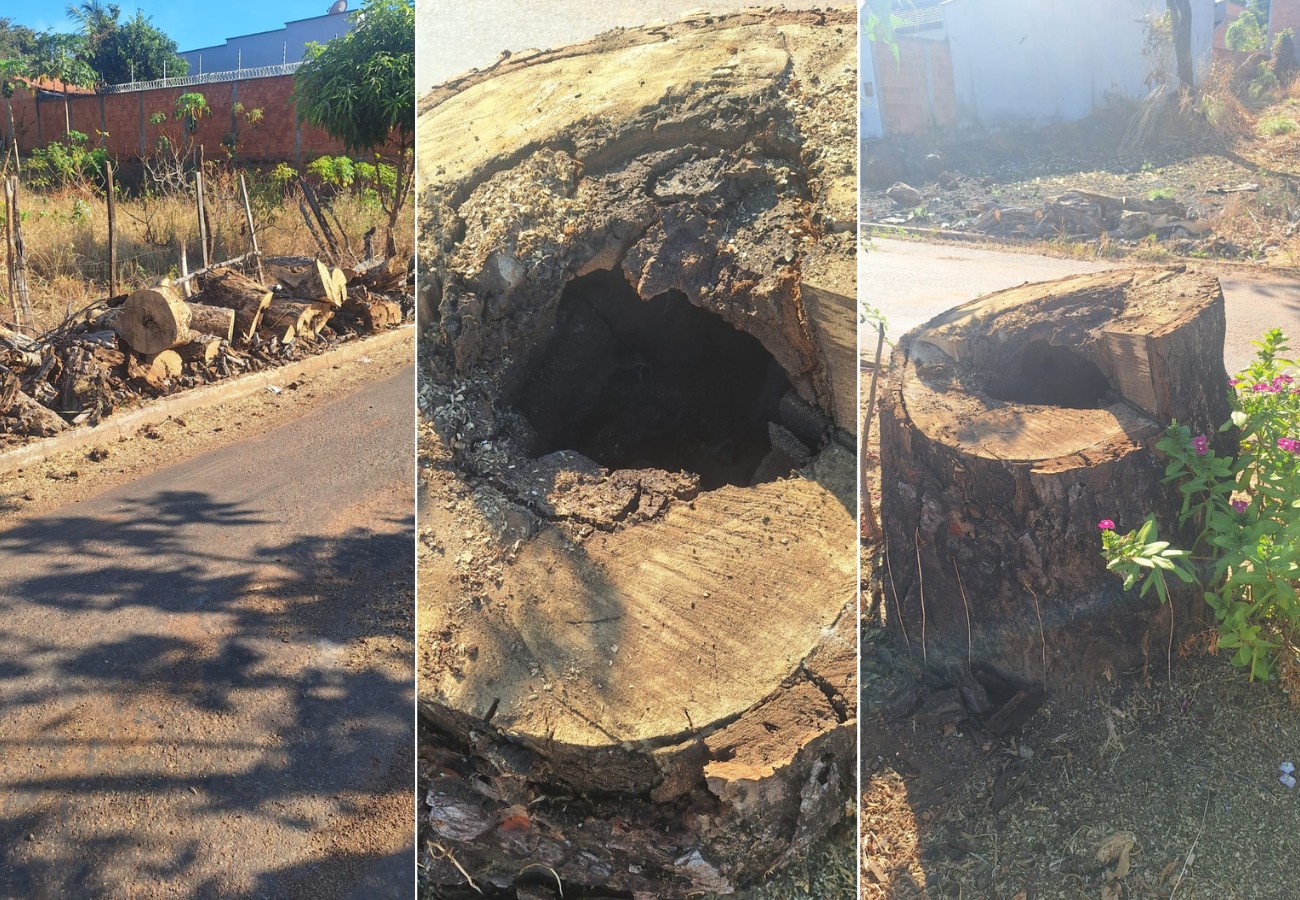
A well-known cashew tree, preserved for approximately 50 years in the middle of an avenue in Paraíso do Tocantins, Brazil, has died after being consumed by termites. Only a hollowed-out trunk remains in the roadside planter where the tree once stood. The tree had been a fixture since the Jardim Paulista neighborhood was first developed in February 1976. It had become a local landmark, with the avenue even being known as 'the street of the cashew tree.'
Despite road paving and development, the tree was maintained, with the municipality previously stating it had become a symbol for residents. In 2020, the city took measures to protect the tree, installing speed bumps on the avenue and special lighting to prevent accidents and enhance its presence. The cashew tree, known for its resilience in arid conditions and potential to reach 30 meters in height, was a significant natural element within the urban landscape. The local government was contacted for comment but had not responded by the time of reporting.
The demise of this landmark cashew tree highlights the inherent tension between urban development and the preservation of natural elements. While the municipality's past efforts, including speed bumps and lighting, demonstrated an intention to integrate the tree into the urban fabric, the ultimate failure to protect it from natural threats like termites suggests a potential gap in long-term ecological maintenance strategies. This event prompts reflection on how urban planning can more robustly account for the vulnerability of established flora to environmental factors and pests, ensuring that symbolic natural assets are not merely accommodated but actively safeguarded against systemic risks over decades.
AI-generated to prompt reflection — not editorial opinion, not advice, not a statement of fact. How this works.