Ideal Beer Serving Temperature Varies by Type
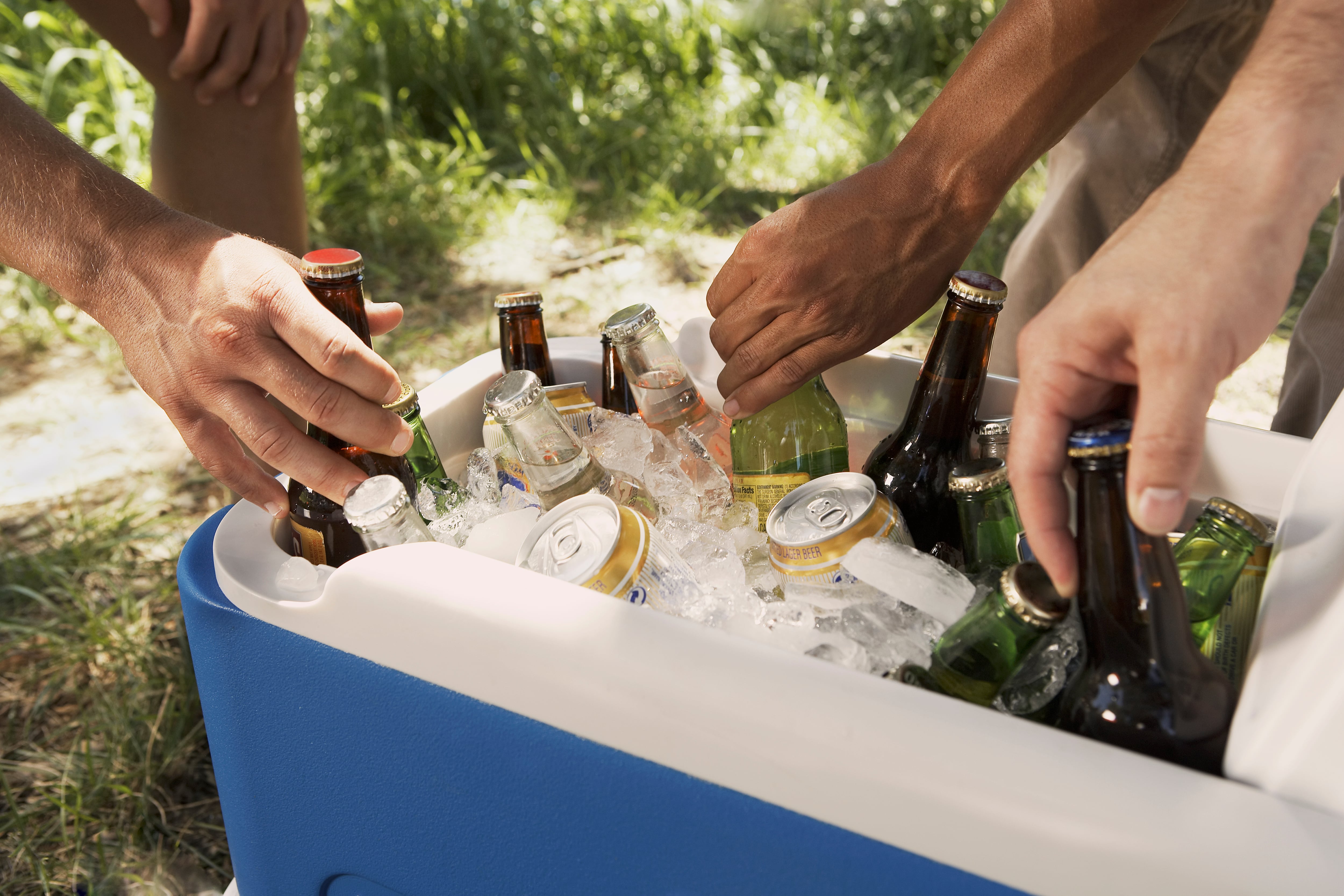
The ideal serving temperature for beer significantly impacts its aroma, flavor, body, and even visual appearance. There isn't a single universal temperature that suits all beers. Different styles of beer require different temperature ranges to best express their unique characteristics. For instance, lighter lagers might be best served colder to maintain crispness, while richer stouts or ales can benefit from slightly warmer temperatures to allow their complex malt and yeast notes to develop. Understanding these nuances allows consumers to appreciate the full spectrum of a beer's intended profile. Factors like the alcohol content, hop intensity, and malt profile all play a role in determining the optimal serving temperature. Serving beer too cold can mute its flavors and aromas, making it seem bland. Conversely, serving it too warm can lead to a loss of carbonation and an overly alcoholic or cloying taste. Brewers and sommeliers often provide guidelines for specific beers to ensure the best possible tasting experience. Ultimately, the 'ideal' temperature is subjective but guided by the beer's style and composition.
The optimal serving temperature for beer is a critical factor in sensory perception, directly influencing aroma, flavor, body, and appearance. This variability highlights the complexity of beverage science and consumer experience, where stylistic nuances dictate specific presentation parameters. Understanding these temperature-dependent characteristics allows for a more informed appreciation of product quality and intended design. From a market perspective, clear guidance on serving temperatures can enhance brand value and consumer satisfaction, mitigating potential negative experiences arising from improper serving. This also points to the importance of education within the hospitality sector to ensure consistent product delivery and uphold brand integrity. The diversity of ideal temperatures reflects the broad spectrum of brewing innovation and consumer preference, suggesting that successful brands will continue to cater to these specific stylistic needs.
AI-generated to prompt reflection — not editorial opinion, not advice, not a statement of fact. How this works.