Identical Quadruplets Born in Australia, a Rare Occurrence
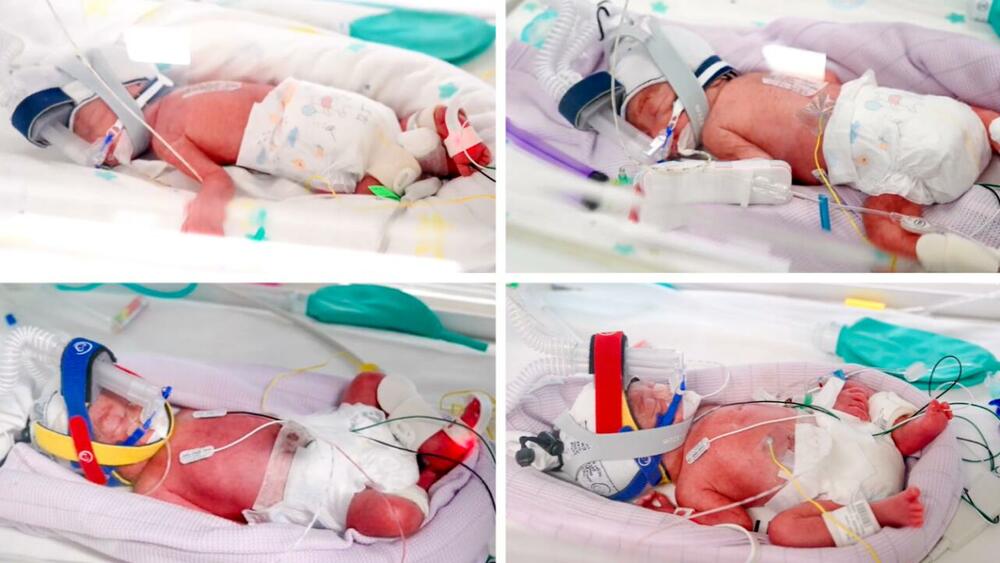
Four identical baby girls were born in Australia on July 14th via Cesarean section. The quadruplets were delivered at 28 weeks and four days gestation. This extraordinary birth involved monozygotic quadruplets, a condition where a single fertilized egg splits into four distinct embryos. This phenomenon is exceptionally rare, making the birth a remarkable event. The medical team successfully managed the complex delivery, ensuring the health of both the mother and the newborns. The babies are reportedly doing well following their premature arrival. The rarity of identical quadruplets highlights unique aspects of human reproduction and genetics. Further monitoring and care will be provided to the infants as they continue to develop outside the womb. This event underscores the advancements in medical care that can support high-risk pregnancies and premature births.
The birth of identical quadruplets represents a rare biological event, highlighting the complexities of human reproduction. From a medical perspective, such pregnancies pose significant challenges due to the increased risk of prematurity and complications for both mother and infants. The successful delivery and care of these four babies underscore advancements in neonatal intensive care. Looking ahead, the long-term health and developmental outcomes for these children will be a key area of observation, influenced by both genetic predispositions and the intensive medical support received. This event also prompts reflection on the ethical considerations and resource allocation involved in managing extremely rare and high-risk pregnancies within healthcare systems.
AI-generated to prompt reflection — not editorial opinion, not advice, not a statement of fact. How this works.