Identifying Psoriasis in Children and Adolescents: Key Signs and Early Management
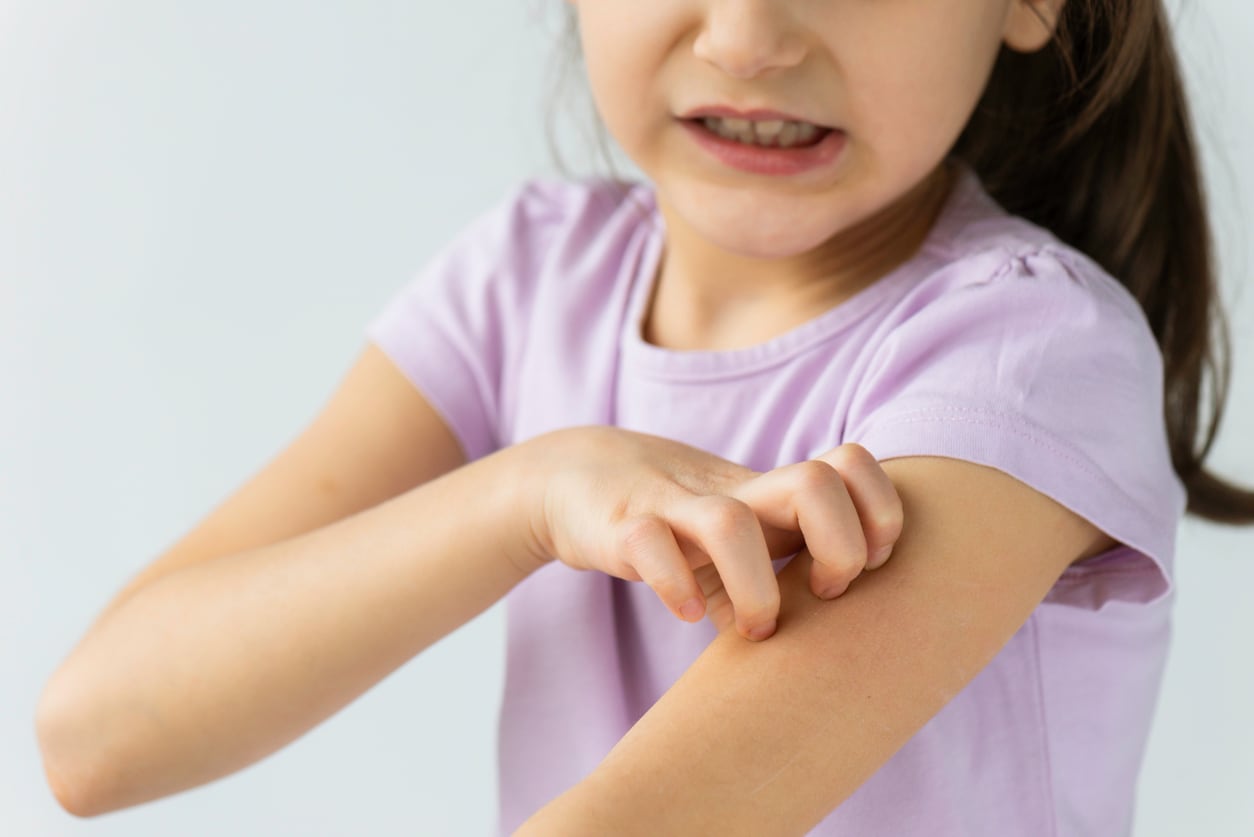
Psoriasis in children and adolescents often presents with lesions that are more superficial and thinner compared to adult presentations. These characteristic signs typically appear on the face, scalp, or in the diaper area. Early and appropriate treatment is crucial for managing the condition effectively from the outset. Furthermore, adopting a healthy lifestyle can significantly mitigate many of the potential complications that might arise in adulthood. Recognizing these specific symptoms in younger individuals allows for timely intervention and better long-term health outcomes. The superficial nature of the lesions and their common locations serve as important indicators for diagnosis. Proactive management, including both medical treatment and lifestyle adjustments, is emphasized as a strategy to prevent the worsening of the disease and its impact later in life. This approach aims to improve the quality of life for young patients and reduce the burden of chronic illness.
The early identification and management of pediatric psoriasis highlight the importance of tailored dermatological approaches for different age groups. Understanding the distinct clinical presentations in children, such as superficial lesions on the face or scalp, is vital for accurate diagnosis and to differentiate from other common childhood skin conditions. The emphasis on early treatment and lifestyle factors suggests a proactive public health strategy aimed at preventing long-term morbidity. This aligns with a broader trend in healthcare focusing on preventative measures and chronic disease management from a young age. Addressing psoriasis effectively in childhood can potentially reduce the significant physical and psychological burdens associated with the condition in adulthood, impacting overall well-being and healthcare resource utilization in the future.
AI-generated to prompt reflection — not editorial opinion, not advice, not a statement of fact. How this works.