IF Baiano Offers Over 4,400 Technical Course Spots in Bahia for 2027 Enrollment
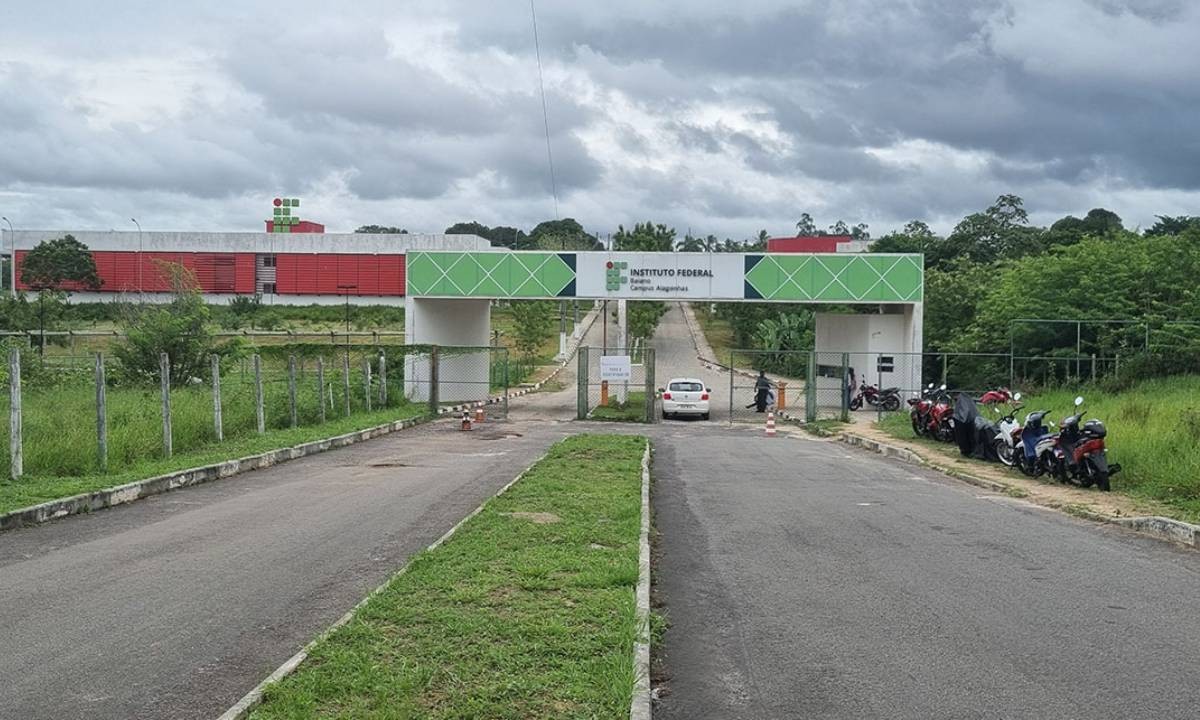
The Federal Institute of Bahia (IF Baiano) has announced a selection process for technical courses with enrollment in 2027, offering a total of 4,451 vacancies. These positions are available for both integrated courses, which combine high school and technical training, and subsequent courses for those who have already completed high school. Applications open on August 3, 2026, with deadlines varying by course type: September 25 for integrated courses and October 2 for subsequent courses. Enrollment can be completed online or in person at IF Baiano campuses and support centers.
Of the total vacancies, 2,486 are for integrated technical courses across 14 campuses, while subsequent courses provide 405 in-person spots and 1,560 through distance learning (EaD). The EaD offerings are supported by campuses and various distance education centers in municipalities like Governador Mangabeira and Teixeira de Freitas. The courses cover diverse professional fields, including Agriculture, Agribusiness, Food, IT, Animal Science, Administration, Tourism, and more. Integrated courses are three-year, in-person programs for students completing or having completed the 9th grade, with selection based on elementary school records. Subsequent courses are exclusively technical, for high school graduates, with admission based on application order.
Distance learning students engage in remote activities with scheduled in-person meetings. The selection process includes reserved spots for public school students: 70% for integrated courses and 50% for subsequent courses. Detailed information and official notices are available on the IF Baiano Student Admission Portal. This initiative follows previous announcements of free technical courses and faculty recruitment by IF Baiano.
This announcement by IF Baiano highlights a significant expansion of technical education opportunities in Bahia, aiming to equip students with vocational skills for the future job market. The distribution of integrated and subsequent courses, alongside a substantial distance learning component, reflects an adaptive strategy to broaden access and cater to diverse student needs. The reservation of spots for public school students underscores an institutional commitment to promoting educational equity and social mobility. As technological advancements continue to reshape industries, such initiatives are crucial for developing a skilled workforce capable of meeting evolving economic demands. The long lead time before enrollment also suggests a strategic approach to planning and resource allocation within the educational system.
AI-generated to prompt reflection — not editorial opinion, not advice, not a statement of fact. How this works.