IFC Loans $8.3M to Catramp to Boost Central African Trade
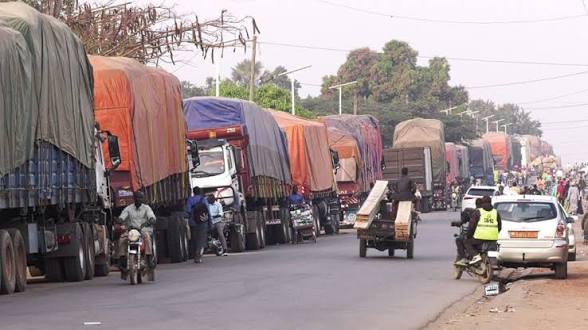
The International Finance Corporation (IFC), a member of the World Bank Group focused on the private sector, has provided a loan of 5 billion CFA francs (approximately $8.3 million USD) to the logistics company Catramp. This significant investment aims to modernize Catramp's infrastructure and support its expansion across Cameroon, Chad, and the Central African Republic (CAR). The funding specifically targets the strategic Douala-N'Djamena and Douala-Bangui corridors, which are crucial for supplying the landlocked countries of Chad and CAR through Cameroon's port of Douala. Catramp, a key player in the sub-region's transport and logistics sector, will use the funds to enhance its operational capabilities and solidify its market presence. By improving logistics performance on these vital routes, the investment is expected to streamline trade, reduce delivery times, and increase the competitiveness of businesses reliant on these corridors. For the economies of Chad and CAR, which heavily depend on Cameroonian infrastructure for their foreign trade, this initiative is vital for securing supply chains. The IFC's financing is anticipated to generate broader regional economic benefits by fostering greater integration within Central African markets and facilitating the movement of goods.
This investment by the IFC in Catramp addresses critical infrastructure deficits impacting regional trade in Central Africa. By focusing on key transit corridors for landlocked nations, the IFC aims to enhance supply chain efficiency and reduce trade costs. The initiative highlights the persistent challenge of logistical bottlenecks in developing regions and the role of international financial institutions in catalyzing private sector solutions. Looking ahead, the success of such projects will depend on sustained investment, effective governance of trade routes, and the broader economic policies that encourage cross-border commerce. The long-term impact will be measured by whether these improvements translate into tangible economic growth and increased resilience for the participating economies, particularly in the face of evolving global trade dynamics.
AI-generated to prompt reflection — not editorial opinion, not advice, not a statement of fact. How this works.