IFNMG Arinos offers 440 free hybrid technical course spots for 2026
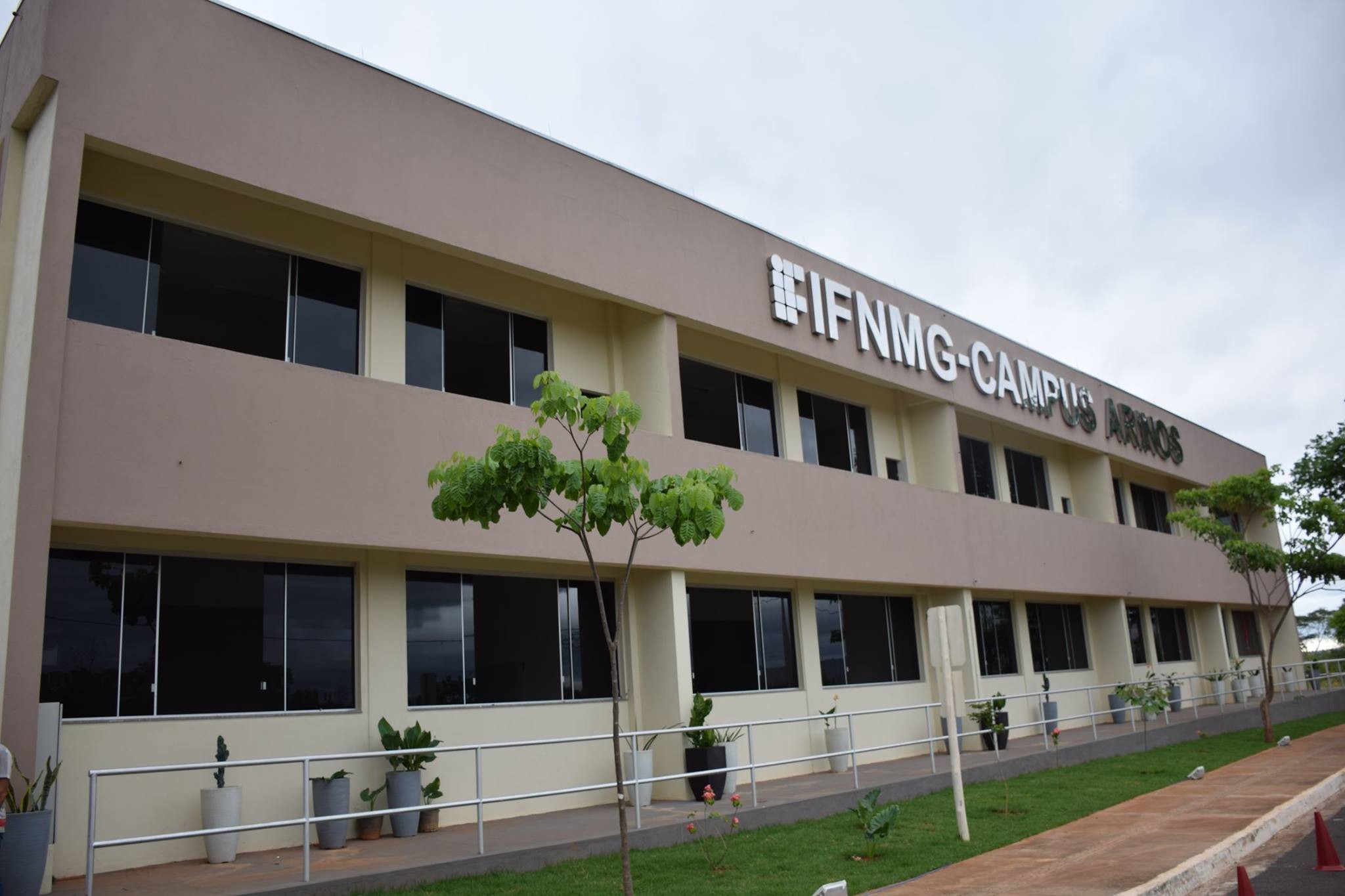
The Federal Institute of Northern Minas Gerais (IFNMG) Campus Arinos has opened applications for 440 free technical course positions, utilizing a hybrid learning model that blends online activities with weekly in-person sessions. These courses are designed for both current high school students, specifically those in their second or third year, and individuals who have already completed high school. The program is set to commence in the second semester of 2026, with enrollment available until August 16th via the official selection process webpage.
Four technical specializations are available: Administration, Agribusiness, Agriculture, and Internet Informatics. The courses have a duration of eighteen months and are primarily offered in the evening, with potential Saturday classes depending on the academic calendar. The program's reach extends to various locations across Minas Gerais and Goiás, including Arinos, Buritis, Cabeceira Grande, Palmital, Chapada Gaúcha, Formoso, Lagamar, Uruana de Minas, Urucuia, and Flores de Goiás.
Selection will be based on an objective test scheduled for August 23rd, featuring 20 multiple-choice questions across Portuguese, Mathematics, Natural Sciences, and Human Sciences. The IFNMG has allocated reserved spots for students from public schools, individuals with disabilities, and self-declared Black, Brown, Indigenous, and Quilombola candidates, as well as those from Family Agricultural Schools. Key dates include inscription deadlines on August 16th, exam on August 23rd, and final results on August 31st, with enrollment beginning September 2nd.
This initiative by IFNMG Arinos to offer free hybrid technical courses addresses accessibility and workforce development needs. By leveraging a hybrid model, the institute expands its educational reach beyond geographical constraints and caters to diverse student schedules. The structured selection process, including an objective exam and reserved spots for underrepresented groups, aims for equitable access. Looking ahead, such programs are crucial for equipping individuals with skills relevant to evolving industries, particularly in agribusiness and technology, and can contribute to regional economic resilience. The success of this model may inform future educational strategies focused on flexibility and inclusivity in higher and technical education.
AI-generated to prompt reflection — not editorial opinion, not advice, not a statement of fact. How this works.