IFNMG Offers 195 Free Training Spots for Vulnerable Women in Northern Minas Gerais
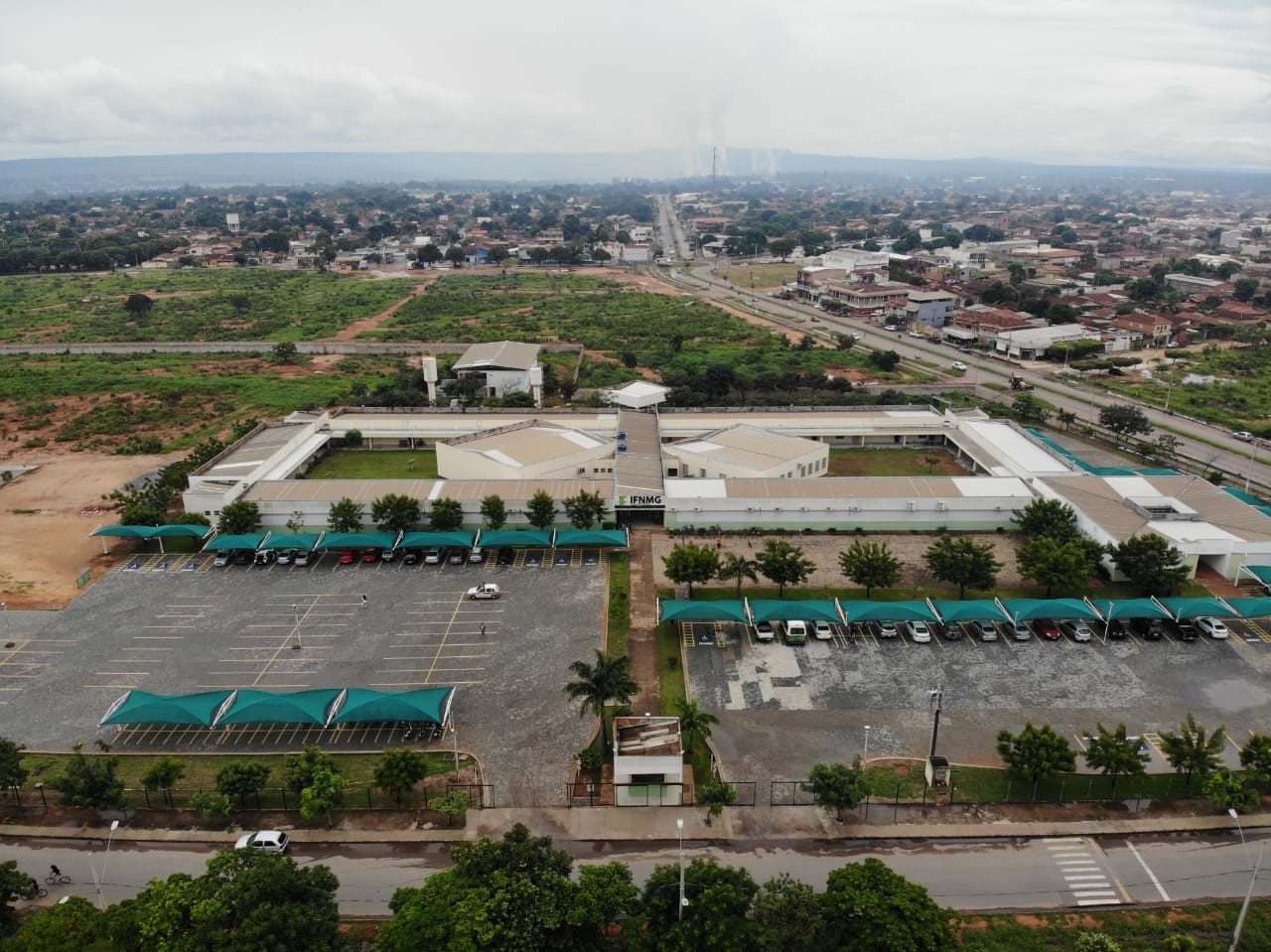
The Federal Institute of Northern Minas Gerais (IFNMG) is providing 195 free training opportunities for women facing social vulnerability in five cities across Northern Minas Gerais. The "Mulheres Mil + Cuidados" program aims to promote educational, social, and productive inclusion for these women. Applications are open until July 20th and can be submitted online without charge. The program offers three distinct courses: school food service agent, child caregiver, and leisure activity monitor. Each course has a 200-hour duration and will be conducted in person during evening hours, with classes scheduled from August 10th to November 13th, 2026. Eligibility extends to cisgender, transgender, transsexual, and cross-dressing women aged 16 and above who meet specific socioeconomic criteria and are experiencing social risk or vulnerability, including those who have suffered various forms of violence or reside in underserved areas. Participants must have completed at least elementary school. Selection will be based on the order of application, with a waiting list to be formed if demand exceeds available spots. Enrolled and attending participants will receive financial assistance for transportation and food, amounting to R$4 per hour of study, paid monthly based on completed hours. For mothers, the "Cuidoteca" service offers free childcare for children aged 3 to 9 during class times, with qualified staff and balanced meals provided at the course locations.
This initiative by IFNMG addresses critical social inclusion gaps by offering targeted vocational training and support services to vulnerable women in Northern Minas Gerais. The program's design, which includes financial aid for transportation and meals, as well as on-site childcare, demonstrates a systemic approach to removing common barriers to education and employment for this demographic. By focusing on skills in demand, such as school food service and childcare, the program aims to enhance economic independence and reduce reliance on social assistance. The inclusion of diverse gender identities and specific vulnerability criteria suggests a commitment to equitable access. Looking ahead, the long-term impact will depend on the sustainability of such programs and their integration into broader economic development strategies that create lasting employment opportunities beyond the training period.
AI-generated to prompt reflection — not editorial opinion, not advice, not a statement of fact. How this works.