IFNMG Offers 195 Free Vocational Courses for Vulnerable Women
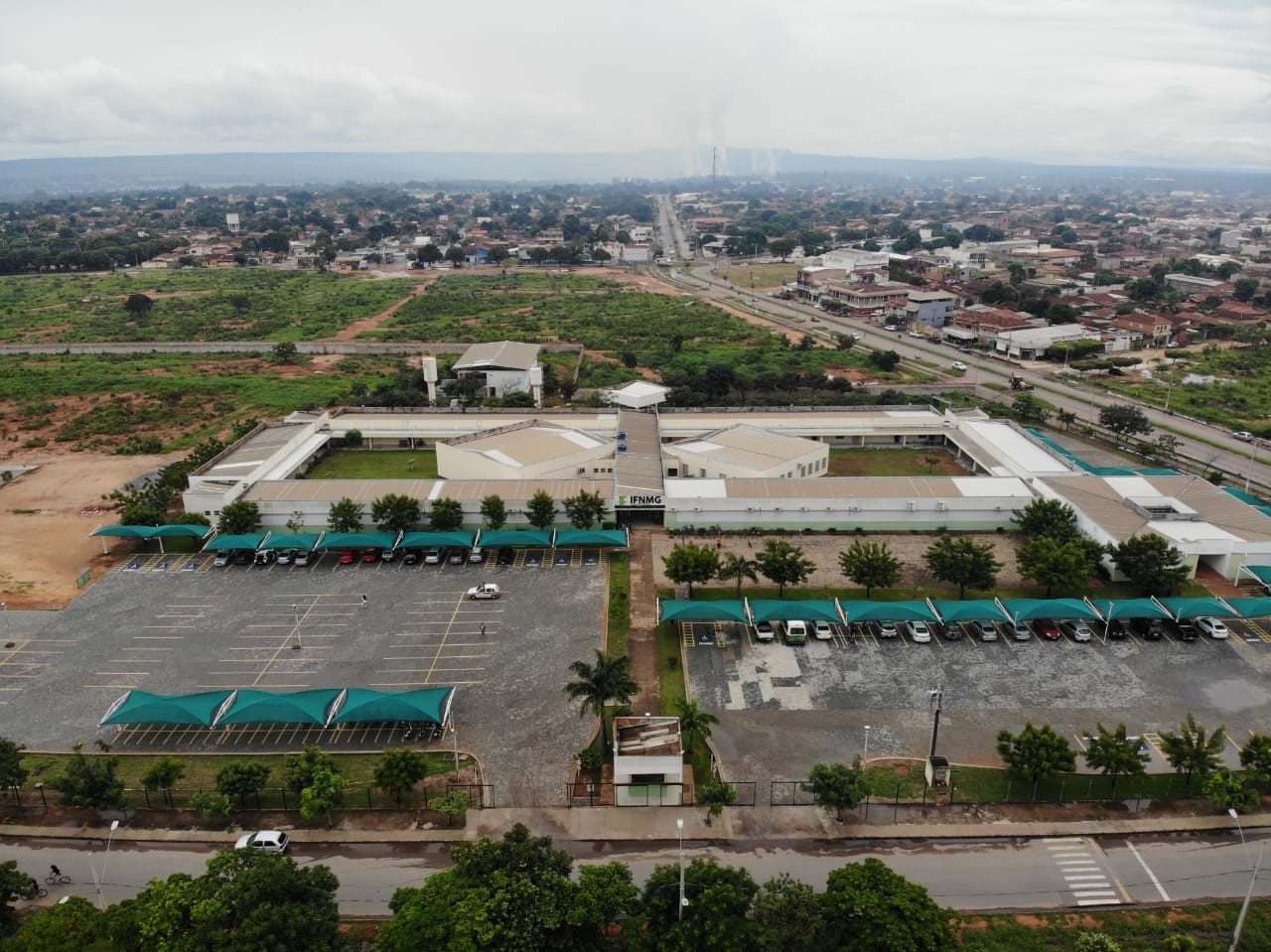
The Federal Institute of Northern Minas Gerais (IFNMG) is offering 195 free vocational training spots for women in five cities across the region. Applications closed on Monday, June 20th. These opportunities are specifically for women facing social vulnerability and are part of the "Mulheres Mil" (Women Thousand) program. The courses, each with a 200-hour duration, will be conducted in person during evening hours. Classes are scheduled to run from August 10th to November 13th, 2026. Available courses include School Food Service Agent, Childcare Provider, and Leisure Activities Monitor. Applicants must have completed at least elementary school and meet the socio-economic criteria outlined in the official notice. Selection will be based on the order of application, with a waiting list formed if demand exceeds the available spots. Participants who are regularly enrolled and attend classes will receive financial assistance for transportation and food, amounting to R$4 per hour of study, paid monthly based on attendance. The "Mulheres Mil + Cuidados" initiative also provides a "Cuidoteca" (childcare center) for mothers attending classes, offering free care for children aged 3 to 9 during class times. The Cuidoteca operates at the same locations as the courses and is staffed by qualified personnel, providing balanced meals. Specific course offerings include School Food Service Agent (40 vagas) in Januária, Leisure Activities Monitor (35 vagas) in Janaúba, Childcare Provider (40 vagas) in Montes Claros, Leisure Activities Monitor (40 vagas) in Pirapora, and Leisure Activities Monitor (40 vagas) in Salinas.
This initiative by IFNMG, as part of the "Mulheres Mil" program, aims to address socio-economic disparities by providing vocational training and support services to vulnerable women. The program's structure, including financial aid for transportation and food, and on-site childcare, demonstrates a systemic approach to removing barriers to education and employment. Such targeted interventions are crucial for fostering economic empowerment and social mobility, particularly in regions facing development challenges. Looking ahead, the success of such programs will be increasingly measured not only by enrollment and completion rates but also by the long-term impact on participants' economic independence and their contribution to local economies, highlighting the evolving landscape of workforce development in an era of increasing automation and economic shifts.
AI-generated to prompt reflection — not editorial opinion, not advice, not a statement of fact. How this works.