iFood Fined R$5,000 for Wasting Elderly Customer's Time Over Undelivered Order
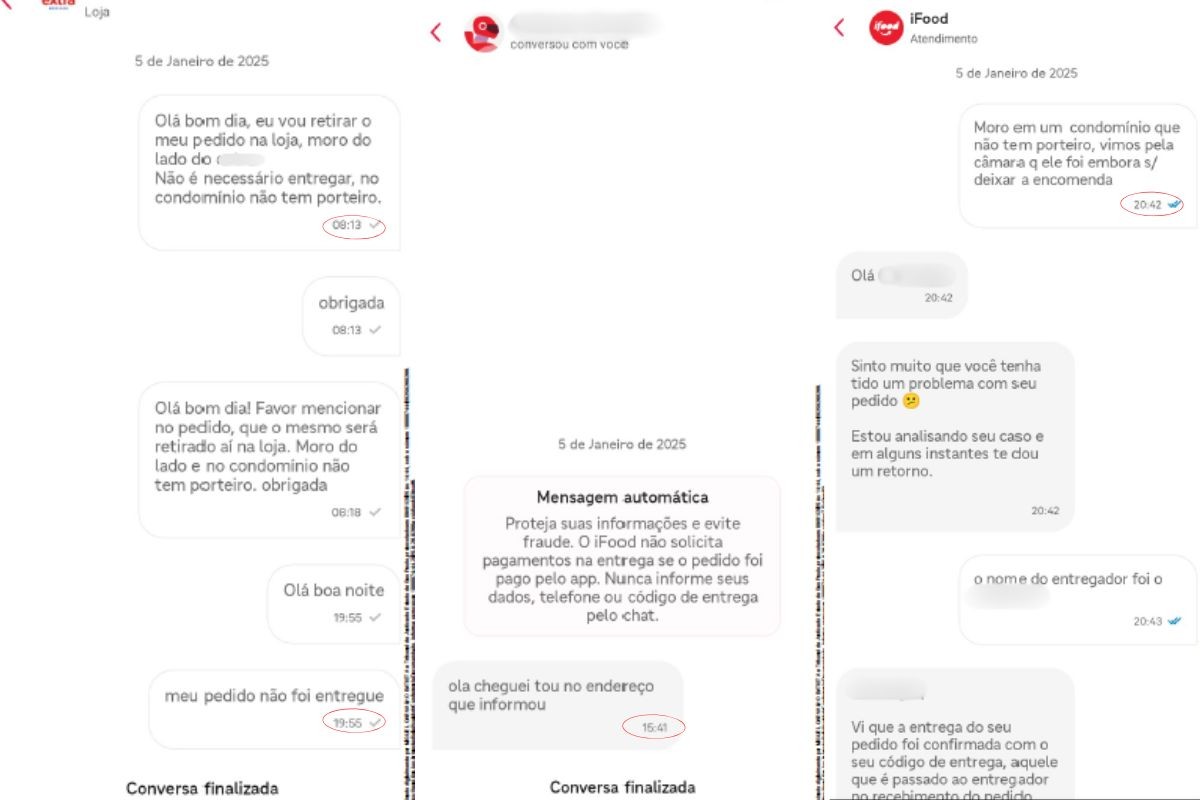
A 63-year-old woman in Itanhaém, São Paulo, has won a legal battle against food delivery platform iFood, resulting in the company being ordered to pay R$5,000 in moral damages and refund R$80 for an undelivered order. The customer ordered food on January 5, 2025, and was informed by the delivery person that the order was delivered. However, security camera footage from her condominium's gate clearly showed the delivery person leaving without leaving the groceries. When the customer contacted iFood support at 8:42 PM, she explained the situation and provided evidence, but the platform initially insisted the order was completed and refused cancellation, citing a confirmation code she allegedly provided. The customer maintained she never shared this code and that she was not present when the delivery person arrived. The court ruled that the time the elderly woman spent attempting to resolve the delivery error constituted 'productive deviation,' a form of moral damage. iFood, which argued it was merely an intermediary, stated it respects the judicial decision and will comply with the court's order, emphasizing its commitment to improving user experience.
This case highlights a common friction point in the gig economy: the allocation of responsibility when service failures occur. iFood's initial stance, relying on a confirmation code despite evidence to the contrary, suggests a system prioritizing automated processes over customer-centric dispute resolution. The court's recognition of 'productive deviation' as actionable damages underscores the growing legal acknowledgment of the intangible costs incurred by consumers when platforms fail to deliver promised services efficiently. Moving forward, platforms like iFood face increasing pressure to refine their customer support protocols and evidence-gathering mechanisms to prevent such time-consuming and costly disputes, particularly as AI-driven customer service becomes more prevalent, potentially exacerbating or mitigating these issues depending on implementation.
AI-generated to prompt reflection — not editorial opinion, not advice, not a statement of fact. How this works.