iFood ordered to pay R$5,000 to elderly customer for delivery failure
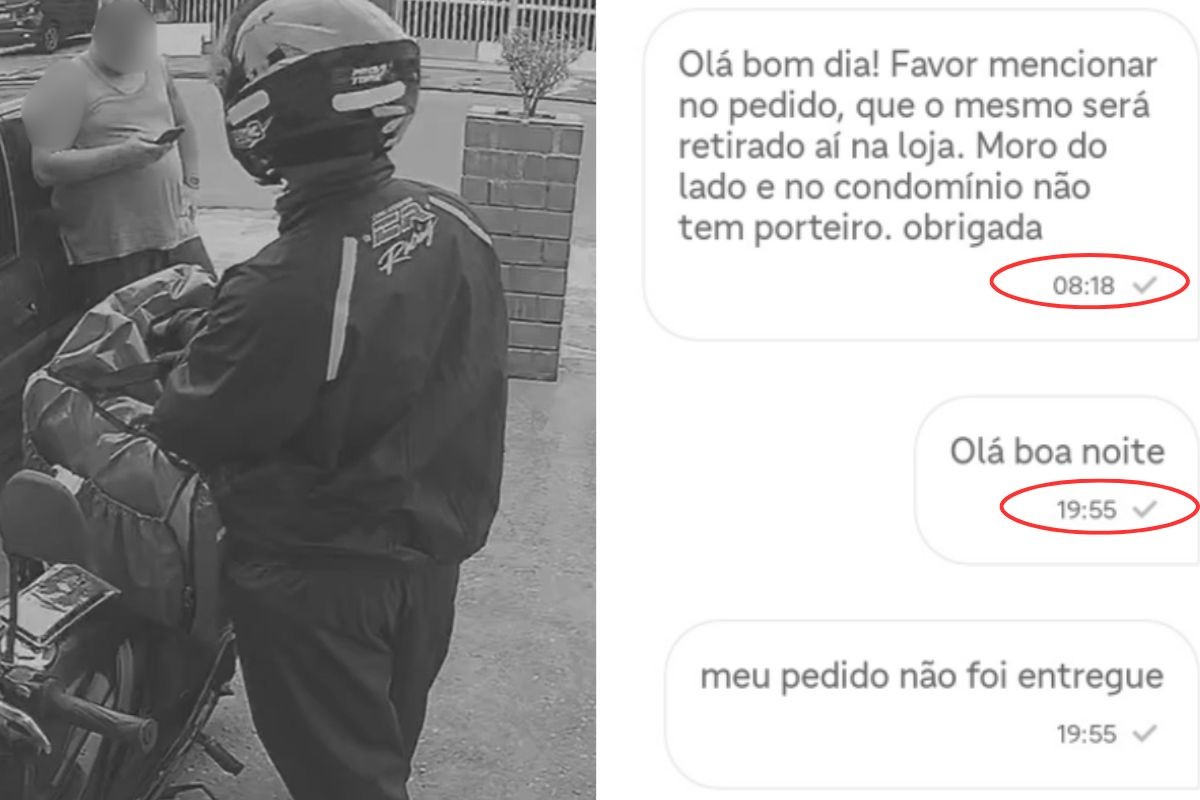
The São Paulo Court of Justice (TJ-SP) has upheld a ruling against iFood, ordering the food delivery platform to refund R$80 and pay R$5,000 in damages to a 63-year-old woman. The customer, from Itanhaém on the São Paulo coast, lost valuable time attempting to resolve a delivery error that was not her fault. The incident occurred in January 2025 when the woman ordered groceries from a supermarket via the iFood app. She initially informed the app she would pick up the order herself, but iFood responded that the items were already out for delivery. The app later registered the delivery as complete, but security footage from her condominium showed the delivery person arriving in a car, using their phone, and leaving without dropping off the groceries. Despite her complaints and the visual evidence, iFood insisted the delivery had been made. The woman sought a refund and R$15,000 for moral damages, but a lower court only granted the refund. Her appeal led to the additional R$5,000 compensation for the time and effort she spent trying to resolve the issue. The appellate court recognized this wasted time as "productive deviation," a compensable moral damage when a consumer is forced into inefficient customer service and repeated protocols to fix a problem they did not cause, thereby losing time that could have been used for work, leisure, family, or rest.
This judicial decision highlights the growing legal recognition of "productive deviation" as a form of actionable consumer harm. iFood's defense, positioning itself solely as an intermediary, was insufficient to absolve it of responsibility for the end-to-end customer experience. The ruling underscores that platform companies, by controlling the service interface and logistics, bear accountability for failures within that system, even if executed by third-party couriers. Future platform governance models may need to incorporate more robust dispute resolution mechanisms and clearer liability frameworks to mitigate such "productive deviation" claims, particularly as AI-driven customer service interactions become more prevalent and potentially impersonal.
AI-generated to prompt reflection — not editorial opinion, not advice, not a statement of fact. How this works.