iFood pilots new logistics model in Uberaba, Brazil, offering restaurant flexibility
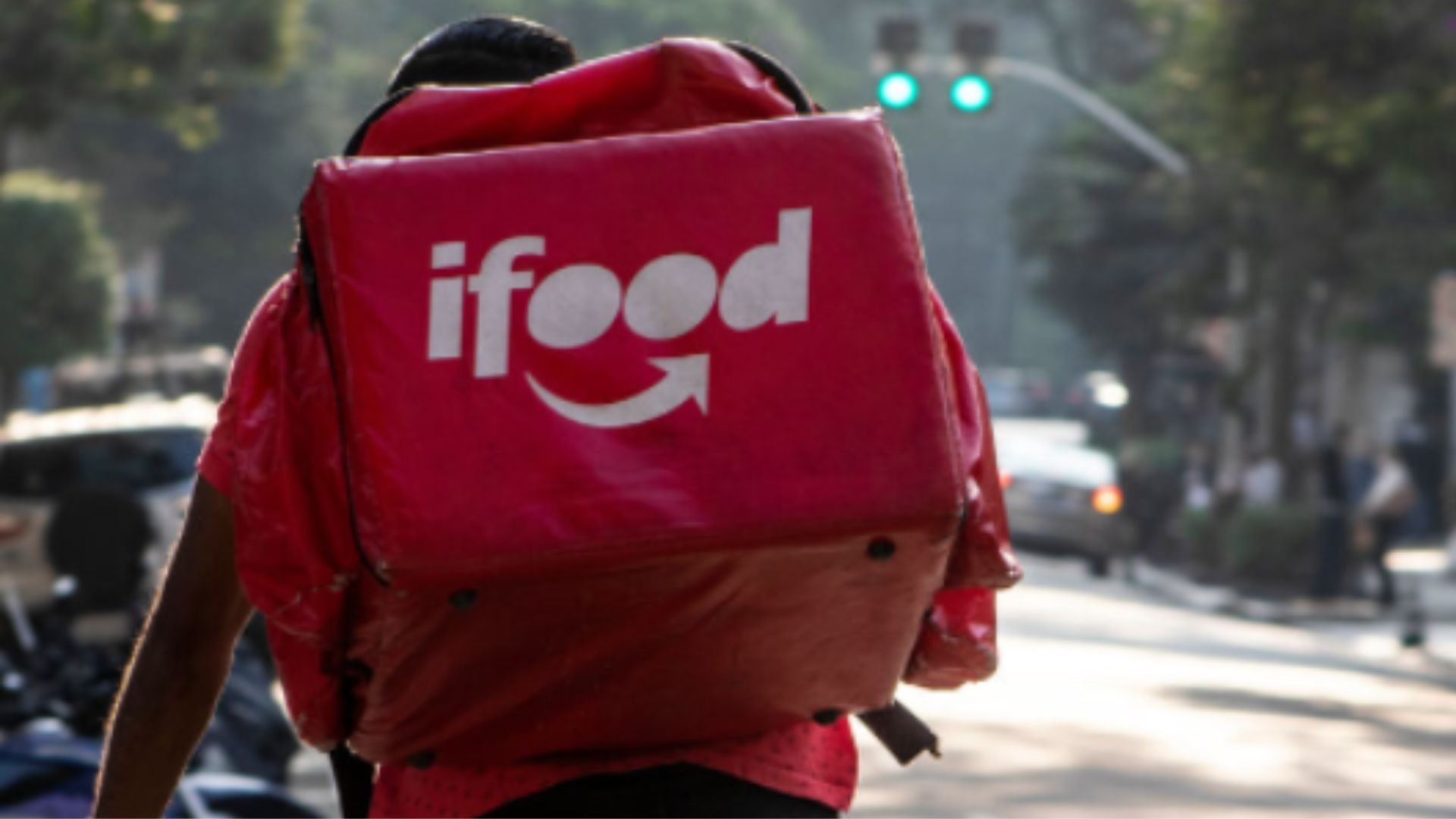
Food delivery platform iFood is launching a pilot program for a new logistics model in Uberaba, Minas Gerais, starting in August. This initiative, alongside a similar test in Imperatriz, Maranhão, aims to refine operations before potential nationwide expansion. Following discussions with local restaurants and industry representatives, iFood has modified its initial proposal to offer businesses more flexibility. Restaurants will now have the option to choose from three distinct delivery modalities based on their performance rating on the platform.
The three models are: 'Entrega própria' (Own delivery), where restaurants manage their deliveries with their own couriers; 'Flex', a hybrid approach where iFood handles deliveries within a 3-kilometer radius and restaurants manage longer distances; and 'Full', where iFood assumes all delivery logistics. Restaurants with performance scores of 3, 4, or 5 will be able to select any of these options. Those with scores of 1 or 2 must choose between the Flex and Full models and will receive support to improve their performance metrics, which are based on indicators like cancellations and customer service over the past 90 days.
This revised approach came after initial plans that would have mandated all deliveries in Uberaba be handled exclusively by iFood-affiliated couriers. This sparked concerns from local business owners and the Sinhores union regarding increased costs, reduced autonomy, and potential job losses for in-house delivery personnel. The modified plan allows higher-rated restaurants to retain their own delivery teams, a change welcomed by industry leaders as a merit-based solution. iFood also highlighted benefits for participating restaurants, including delivery fee discounts for customers, promotional campaigns, and access to new technology and data tools. Delivery partners will receive benefits such as personal insurance up to R$120,000 and incentive programs, while consumers can expect reduced delivery times and improved order tracking.
The iFood logistics pilot in Uberaba demonstrates a strategic shift towards a more adaptable operational framework, acknowledging the diverse needs and existing infrastructures of local businesses. By introducing tiered delivery models contingent on performance metrics, iFood incentivizes efficiency and service quality, while also mitigating potential backlash from partners concerned about autonomy and cost. This approach balances platform control with partner flexibility, a critical dynamic in the gig economy. The future of delivery logistics will likely involve such hybrid models, where platforms offer scalable solutions that can be customized to varying business scales and operational capacities, especially as AI-driven route optimization and demand forecasting become more sophisticated.
AI-generated to prompt reflection — not editorial opinion, not advice, not a statement of fact. How this works.