IFPA Belém Campus Announces 465 Undergraduate Program Openings for 2026
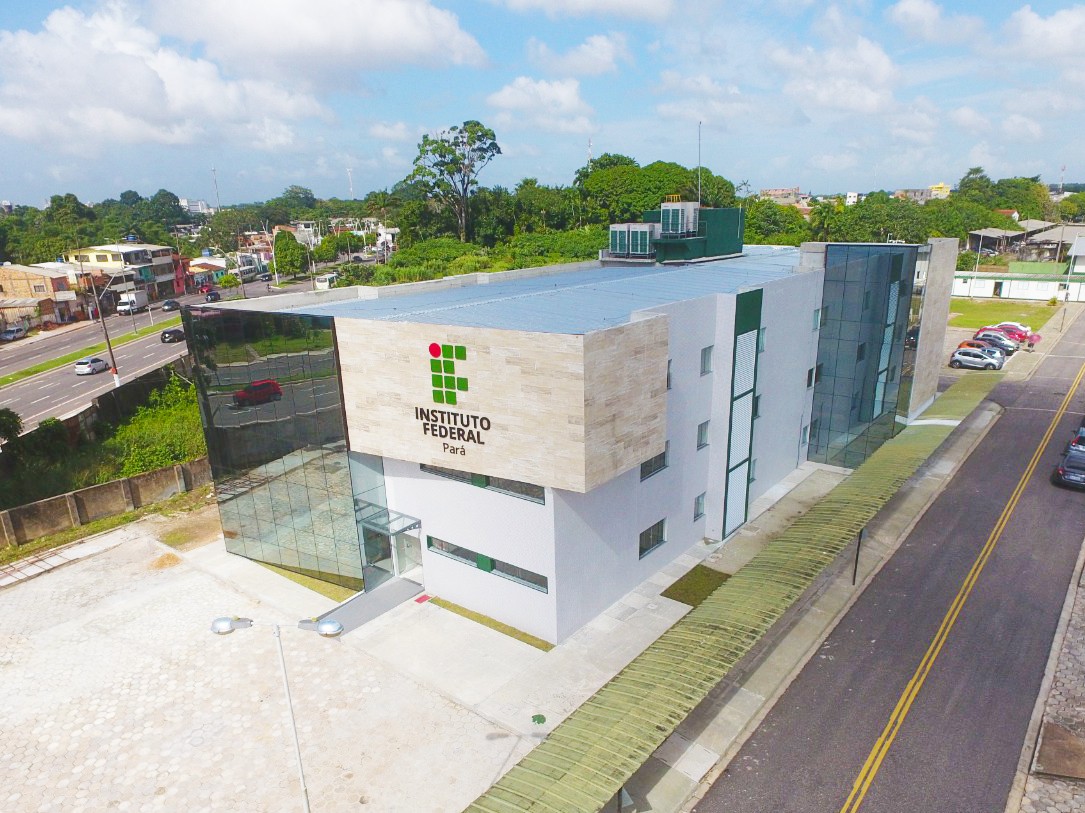
The Federal Institute of Pará (IFPA) Belém Campus has opened applications for its selection process, offering 465 undergraduate program positions for the second semester of 2026. The application period is open until Sunday, the 19th. These opportunities are for candidates who have already completed high school or an equivalent level of education and wish to begin their higher education studies. All applications are free of charge and must be submitted exclusively online through the official IFPA selection website.
The selection process features 13 on-campus courses, including Bachelor's degrees in Engineering, Licentiate degrees, and Technology programs. Engineering fields like Automation Control, Fisheries, and Electrical Engineering offer 30 spots each and have a minimum duration of five years. Licentiate degrees, such as Biological Sciences, Geography, History, Portuguese Language, Mathematics, Pedagogy, and Chemistry, have 40 spots each and typically last four years. Technology programs, including Systems Analysis and Development, Hospital Management, and Public Management, have durations of 2.5 to 3 years.
To apply, candidates must complete an online form, providing their CPF, a valid photo ID, and an ENEM exam score from 2022, 2023, 2024, or 2025. Applicants must choose one of three competition categories: General Competition, Affirmative Action for People with Disabilities (PcD), or the public school reservation system (quotas under Law No. 12.711/2012). IFPA reserves at least 50% of its spots for students from public schools, with additional quotas for Black, Brown, Indigenous, and Quilombola individuals. The selection involves four stages: ENEM-based classification, document submission, heteroidentification and validation for specific groups, and final enrollment.
The IFPA's proactive announcement of undergraduate openings for 2026, utilizing ENEM scores as the primary selection metric, aligns with national educational access strategies. This approach democratizes entry by leveraging a standardized national assessment, thereby reducing institutional bias in initial screening. The explicit reservation of 50% of seats for public school students, with further sub-quotas for underrepresented ethnic groups, demonstrates a commitment to social equity and rectifying historical educational disparities. However, the multi-stage selection process, particularly the heteroidentification phase, requires robust, transparent, and consistently applied protocols to ensure fairness and prevent potential misapplication, which could undermine the program's equity objectives. Future iterations could explore integrating continuous assessment or project-based evaluations alongside ENEM scores to capture a broader spectrum of candidate potential and readiness for higher education.
AI-generated to prompt reflection — not editorial opinion, not advice, not a statement of fact. How this works.