IFTO Offers Over 1,700 Free Spots in Integrated High School Technical Courses
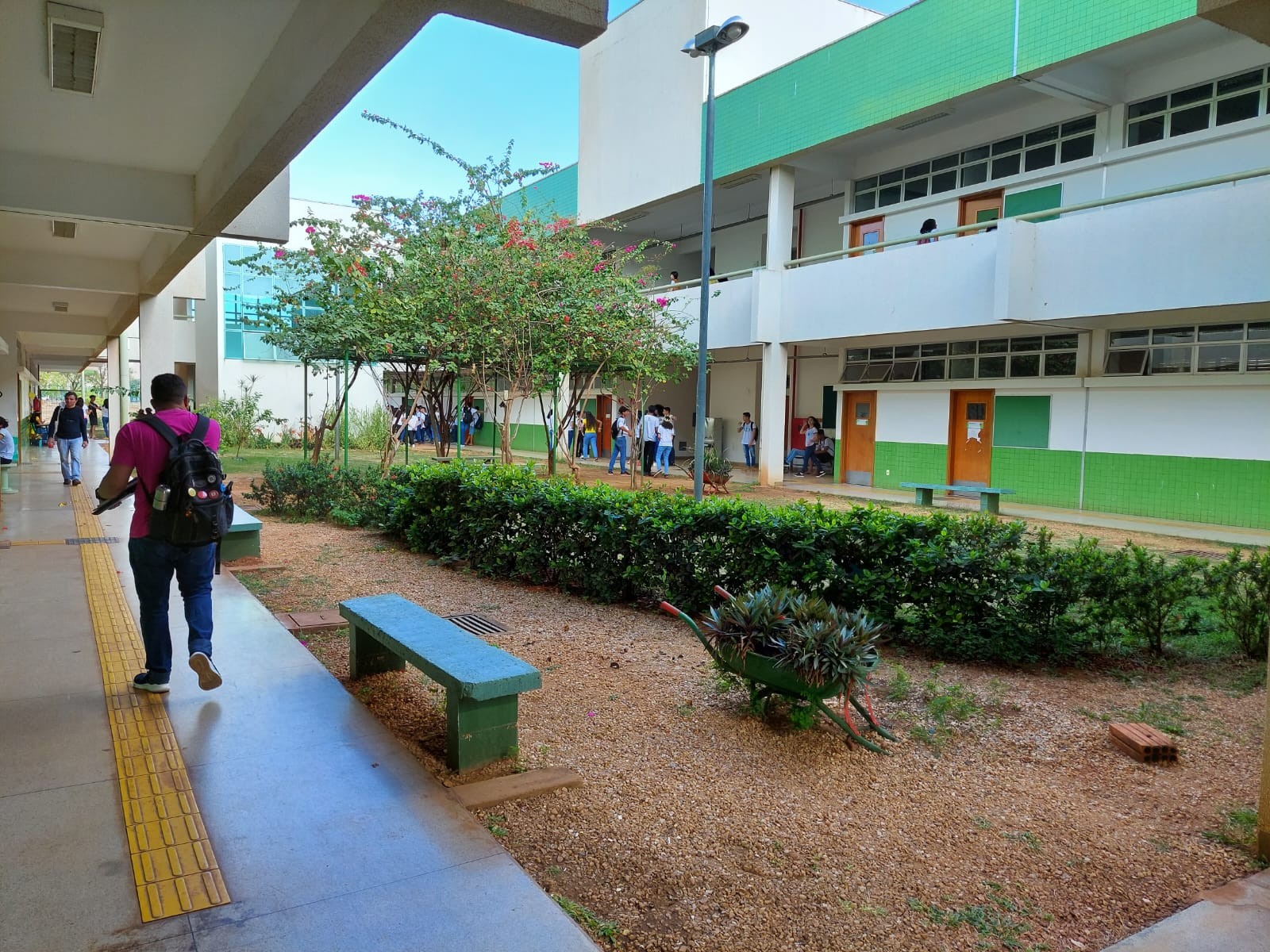
The Federal Institute of Tocantins (IFTO) has opened applications for its integrated technical courses, offering 1,735 free positions for students completing elementary school in 2026. The selection process includes 15 different technical courses spread across 11 IFTO campuses. Prospective students have until August 20 to submit their applications. Candidates facing financial hardship or participating in social programs can apply for an exemption from the R$ 20 application fee, with this request window closing on August 6. The institute also accommodates requests for specialized and specific assistance, as well as the use of social names during the application period. Entrance examinations are scheduled for September 27 in the 11 municipalities hosting these courses: Araguaína, Araguatins, Formoso do Araguaia, Lagoa da Confusão, Pedro Afonso, Colinas do Tocantins, Dianópolis, Gurupi, Palmas, Paraíso do Tocantins, and Porto Nacional. Detailed information regarding the exam administration will be published on September 21. In line with its commitment to equity, IFTO reserves half of the available spots for students who completed their entire elementary education in public schools. These affirmative action quotas are designated for various groups, including self-declared Black, Brown, or Indigenous individuals, Quilombolas, persons with disabilities, and specific Tocantins populations such as former students of the Instituto São José, agrarian reform settlers, and Indigenous peoples.
The IFTO's expansion of integrated technical education represents a strategic investment in human capital, aiming to bridge educational and vocational skill gaps within Tocantins. By reserving half of the spots for public school students and specific affirmative action groups, the institute addresses historical inequities and promotes social mobility. This initiative aligns with broader national trends toward strengthening technical and professional education as a pathway to employment and economic development, particularly relevant in the context of an evolving job market influenced by automation and digital transformation. The program's success will hinge on its ability to equip students with relevant, future-proof skills and facilitate their transition into higher education or the workforce, thereby contributing to regional economic resilience and innovation over the next decade.
AI-generated to prompt reflection — not editorial opinion, not advice, not a statement of fact. How this works.