Iguá Sergipe inaugurates 25km water pipeline connecting Riachão do Dantas and Lagarto
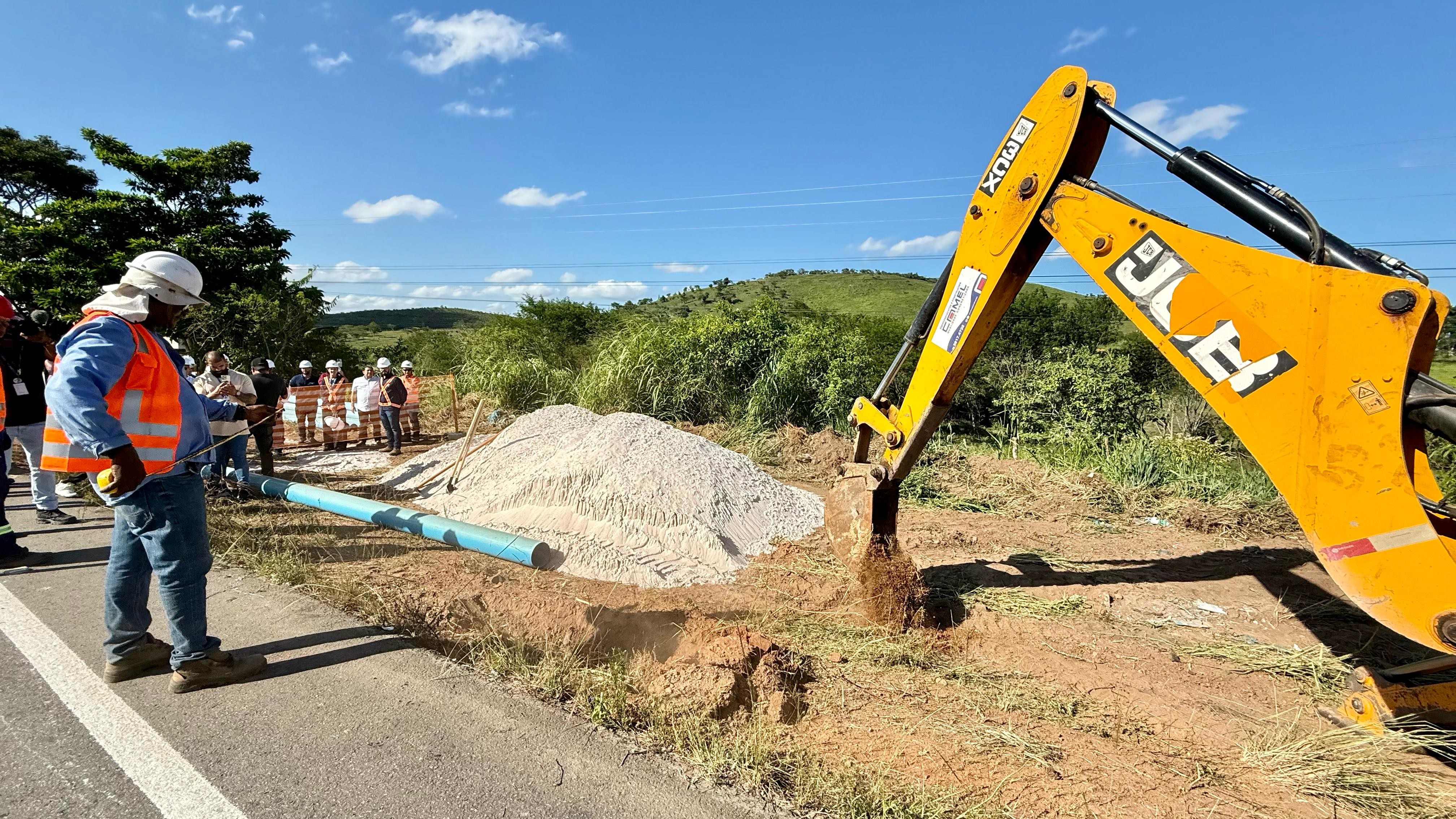
Iguá Sergipe has officially opened a new 25-kilometer water pipeline in the Tanque Novo community, aimed at improving water supply to the municipalities of Riachão do Dantas and Lagarto. This significant infrastructure project represents an investment of approximately R$11 million and is expected to directly benefit around 20,000 residents in the region. In addition to the pipeline, enhancements were made to the water network in Riachão do Dantas across several streets, including Travessia João Cândido, Rua Alto do Cruzeiro, Rua do Cruzeiro, Travessia Cruzeiro, and Travessa José Augusto. These upgrades involved replacing critical sections of the existing network and installing new reservoirs to increase water storage capacity and minimize service interruptions. The construction of this pipeline, which began in March 2025, was initiated to bolster the water supply system in these central-southern Sergipe municipalities. Iguá Sergipe's Director-General, Fernando Vieira, emphasized that these projects are a top priority for the company, focusing on immediate improvements to the quality of life for the local population. He noted that even before full operational status, Iguá Sergipe was addressing urgent, long-standing demands with technical and financial resources to provide sanitation solutions for the state. Iguá Sergipe, responsible for water supply and sewage services in the state under a partial concession, has been implementing a comprehensive investment plan since May 2025, with the goal of benefiting over 2 million people throughout its 35-year contract. The company aligns with the Legal Framework for Sanitation, striving to expand service access, enhance public health, improve living standards, and foster sustainable development in Sergipe.
The inauguration of this water pipeline by Iguá Sergipe signifies a concrete step towards addressing historical infrastructure deficits in the region, aligning with national sanitation goals. The substantial investment and focus on expanding capacity and reducing interruptions highlight the critical role of private sector participation in achieving universal access to essential services. Looking ahead, the long-term success of such projects will depend on sustained operational efficiency, robust regulatory oversight, and adaptive management to meet evolving demographic and environmental challenges. The initiative also underscores the broader trend of public-private partnerships in Brazil's infrastructure development, aiming to leverage private capital and expertise to accelerate service delivery and improve quality of life.
AI-generated to prompt reflection — not editorial opinion, not advice, not a statement of fact. How this works.