Iguazú Boat Accident Reignites Safety Concerns for Tourist Launches
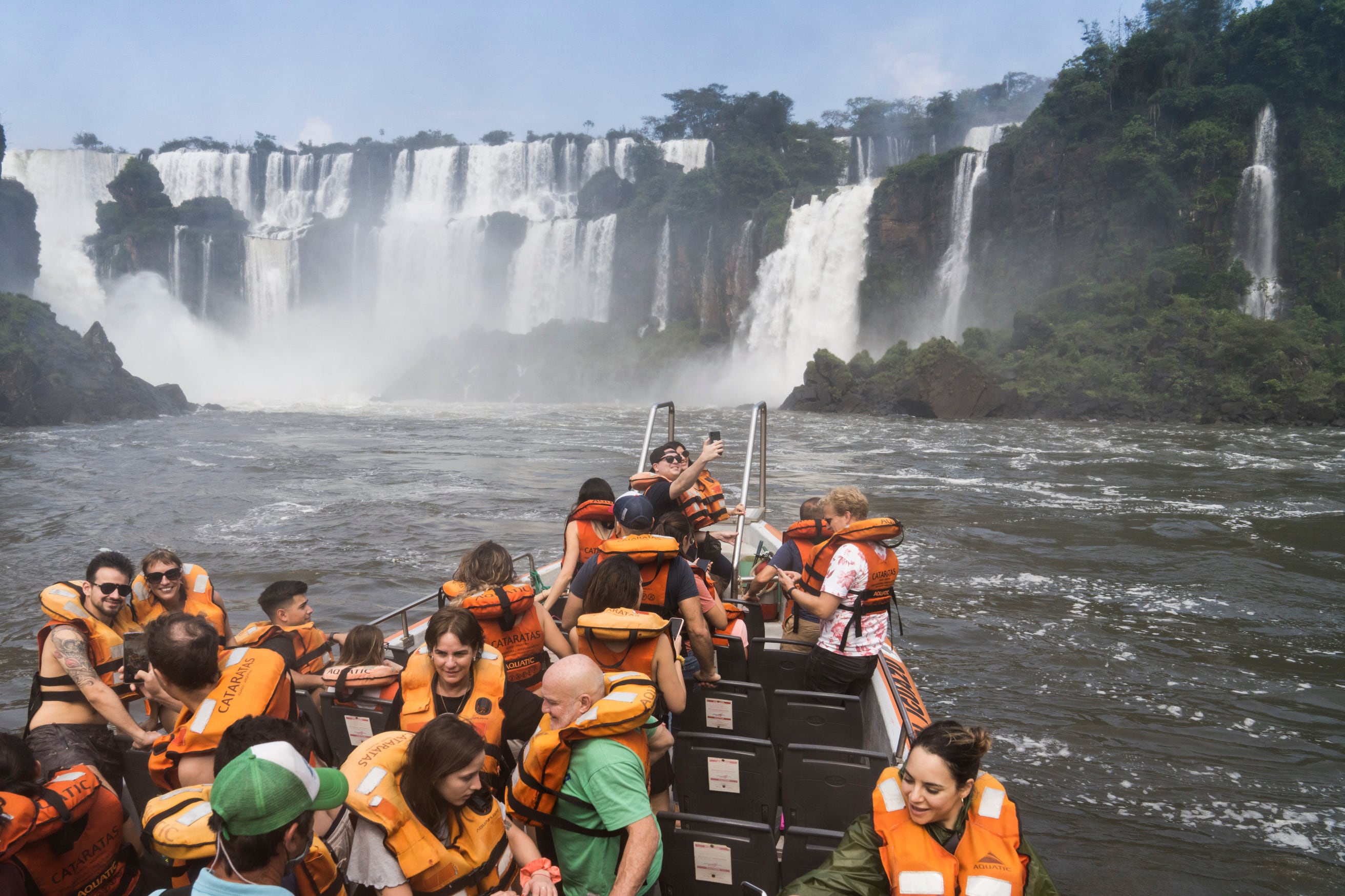
The overturning of a Brazilian tour boat on the Iguazú River yesterday has led to the death of a Dutch tourist and has deeply affected the local tourism industry. The incident has prompted renewed discussions about the safety protocols and regulations governing the vessels that operate near the Iguazú Falls. This tragic event has brought to the forefront long-standing questions regarding the security measures in place for these popular tourist excursions. Authorities are expected to review the existing safety standards and operational procedures for all boats navigating the waters of the Iguazú River, particularly in areas frequented by tourists. The focus is on preventing future accidents and ensuring the well-being of visitors who come to experience the natural wonder of the falls. The incident serves as a stark reminder of the potential risks involved in adventure tourism and the critical need for robust safety oversight. Investigations into the specific cause of the boat's capsizing are underway, with a particular emphasis on factors contributing to the fatality. The local tourism sector is grappling with the aftermath, emphasizing the importance of safety in maintaining its reputation and viability. The incident underscores the ongoing debate about balancing thrilling tourist experiences with essential safety requirements.
This incident highlights a recurring tension between the commercial imperative to offer thrilling tourist experiences and the fundamental need for stringent safety protocols. The tragedy necessitates a thorough review of operational standards for river tour operators in high-risk environments like Iguazú Falls. Future-proofing these operations will require integrating advanced risk management technologies and potentially revising capacity limits and route restrictions, especially considering the potential for unpredictable water conditions. A systemic approach focusing on operator training, real-time environmental monitoring, and transparent incident reporting could enhance passenger safety and build long-term trust in the region's tourism sector, mitigating the impact of such unfortunate events.
AI-generated to prompt reflection — not editorial opinion, not advice, not a statement of fact. How this works.