Iguazu Falls Footbridge Closed Due to Sixfold Increase in Water Flow
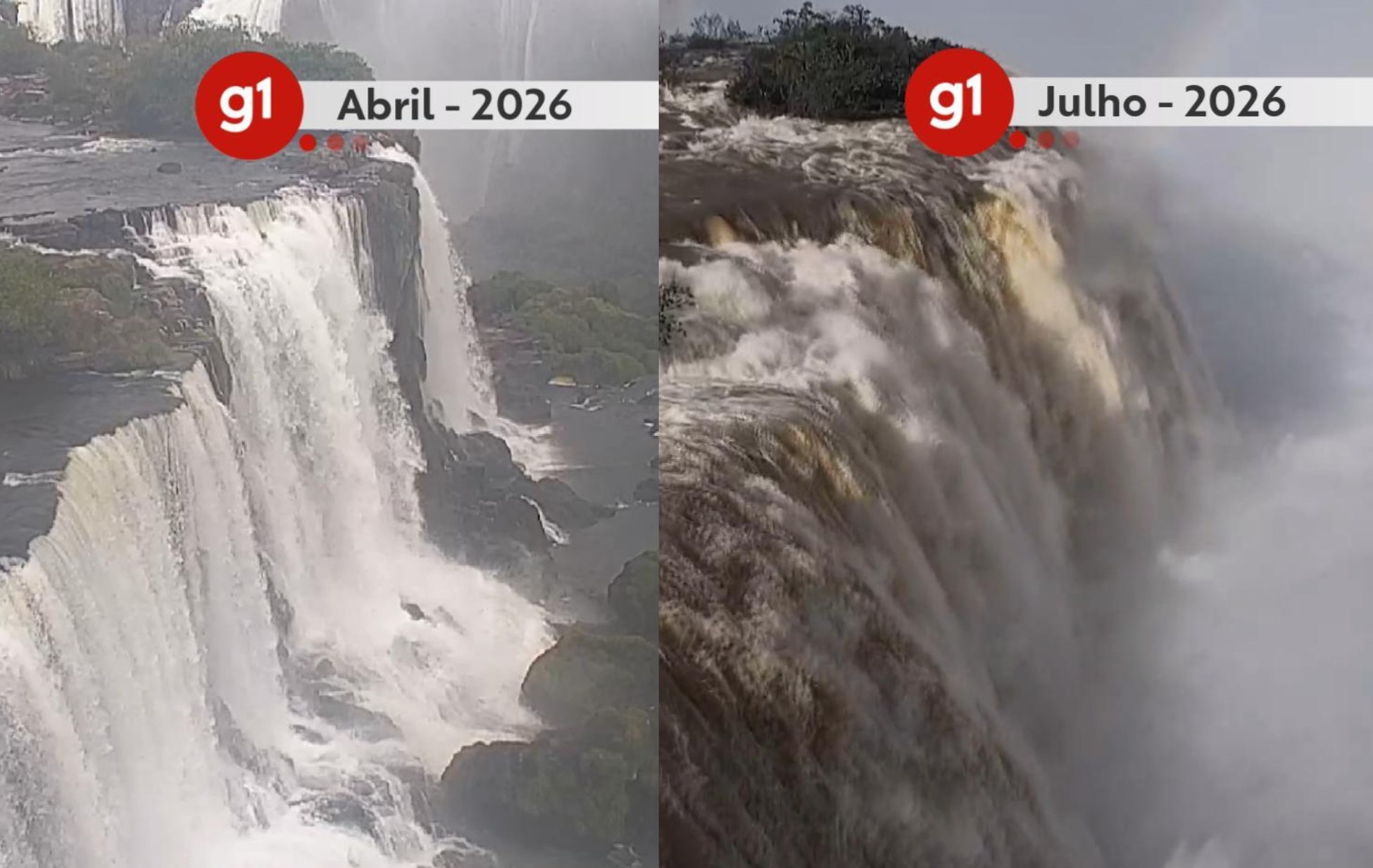
The footbridge at Iguazu Falls, located on the border of Brazil and Argentina, was temporarily closed on Thursday, October 23rd, due to an unprecedented surge in water flow. The normal flow rate for the falls is approximately 1.5 million liters of water per second. However, monitoring by Copel (Companhia Paranaense de Energia) recorded a peak flow of 9.1 million liters per second at 10 AM, which is about six times the average. This immense volume means the falls are currently discharging the equivalent of roughly 3.6 Olympic-sized swimming pools every second. The closure was a precautionary safety measure implemented by the Iguazu National Park administration. The last time the walkways were shut down due to high water volume was on December 10, 2024. Reopening the footbridge is contingent upon the water flow decreasing to a safe average of 7.5 to 8 million liters per second, with no immediate forecast for further increases. While the Brazilian side's "Trilha das Cataratas" remains open, the Argentinian walkway leading to the "Garganta do Diabo" (Devil's Throat) is also closed, with no estimated reopening time. The surge in water volume is attributed to heavy rainfall along the Iguaçu River basin, which originates near Curitiba and flows westward through Paraná state.
The closure of the Iguazu Falls footbridge highlights the dynamic and often unpredictable nature of natural water systems, particularly in the face of extreme weather events. While the immediate response prioritizes public safety, the recurring need for such closures suggests a potential need for adaptive infrastructure planning and enhanced early warning systems. As climate patterns become more volatile, understanding the long-term implications of increased rainfall intensity on ecosystems and tourism infrastructure is crucial for sustainable management. This event underscores the interconnectedness of upstream environmental conditions and downstream visitor experiences, prompting consideration of broader watershed management strategies.
AI-generated to prompt reflection — not editorial opinion, not advice, not a statement of fact. How this works.