Iguazu National Park Achieves Record-Breaking First Half Visitation
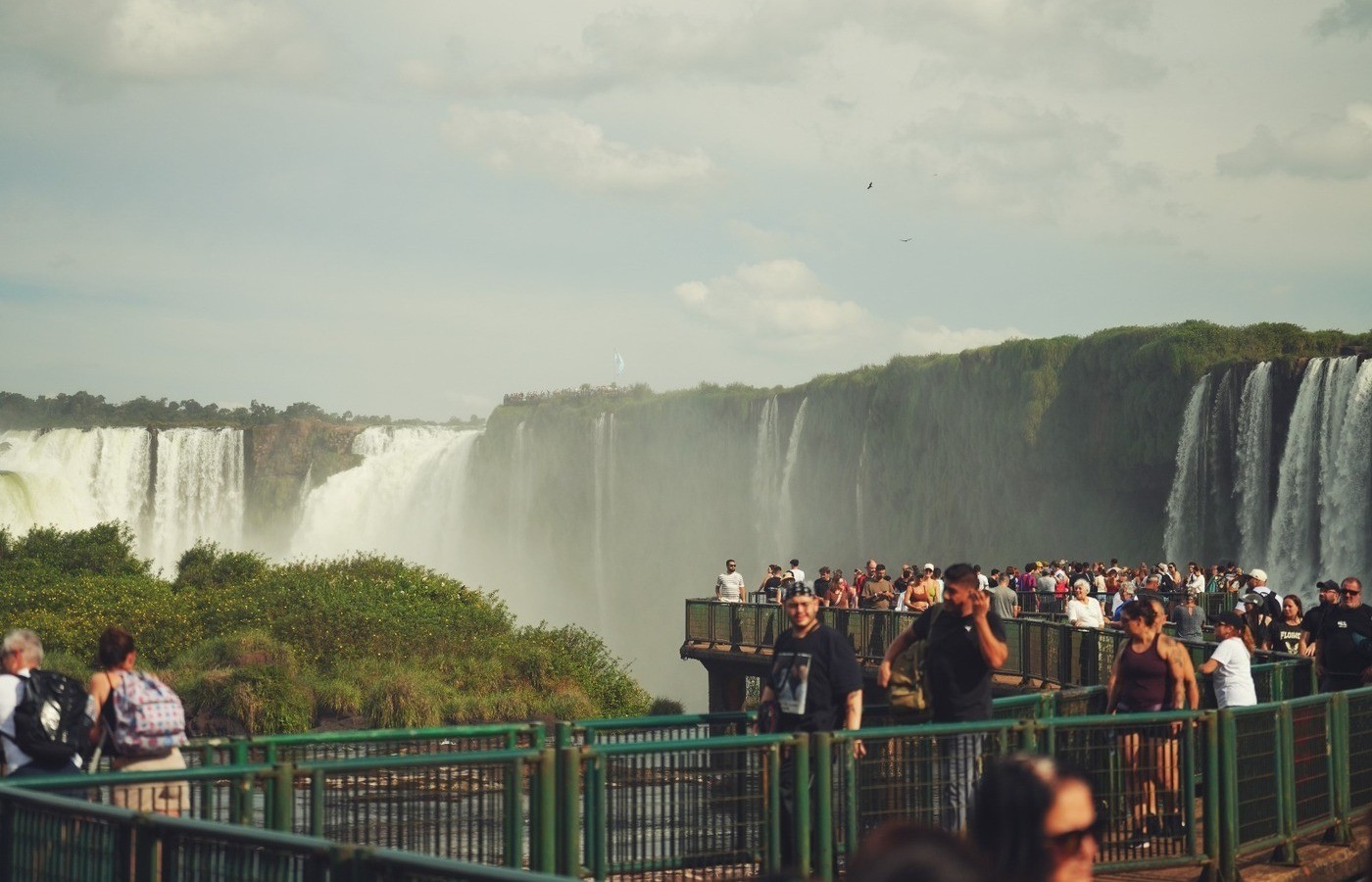
Iguazu National Park has reported its highest-ever visitor numbers for the first half of a year, welcoming 1,064,767 people between January and June 2026. This figure represents a significant 12% increase compared to the same period in the previous year. The park, home to the Iguazu Falls and managed by Urbia+Cataratas, also set a new monthly record in June 2026, with 136,679 visitors, surpassing previous records from 2023 and the pre-pandemic year of 2019. The park surpassed its own initial projection of approximately 115,000 visitors for June. Brazilian tourists led the numbers in June with 93,094 visitors, followed by Argentinians (18,631), Americans (3,109), Colombians (1,741), and Paraguayans (1,632).
Throughout the first six months of 2026, the park has seen visitors from over 180 nationalities. Brazilian visitors accounted for 638,182 of the total, with Argentinians (144,052), Paraguayans (37,674), Americans (29,299), and Germans (26,379) also forming significant groups. Other notable nationalities include those from France, China, Spain, Peru, and Chile. Mario Macedo Junior, CEO of Urbia+Cataratas, attributed these consecutive records to expanded visitor experiences, enhanced destination promotion, and increased air connectivity to Foz do Iguaçu, making the park more accessible and attractive to both domestic and international tourists. The park offers diverse experiences beyond the falls, including sunrise and sunset tours, night visits, stargazing, and Atlantic Forest trails, which contribute to longer stays.
The record-breaking visitation at Iguazu National Park highlights a successful synergy between natural attraction, enhanced visitor experiences, and improved accessibility. The strategic expansion of offerings, such as dawn, dusk, and night tours, alongside nature trails, diversifies the appeal beyond the primary spectacle of the falls. This approach not only increases visitor numbers but also encourages longer stays, potentially boosting local economies. The growth, particularly from neighboring countries like Argentina, suggests a strong regional tourism dynamic. Future success will likely depend on sustained investment in infrastructure and conservation, ensuring the park's ecological integrity keeps pace with its growing popularity and global recognition as a UNESCO World Heritage site. Balancing increased human activity with environmental preservation remains a critical challenge for long-term sustainability.
AI-generated to prompt reflection — not editorial opinion, not advice, not a statement of fact. How this works.