IJsselstein Municipality Admits Flaws in Refugee Shelter Planning
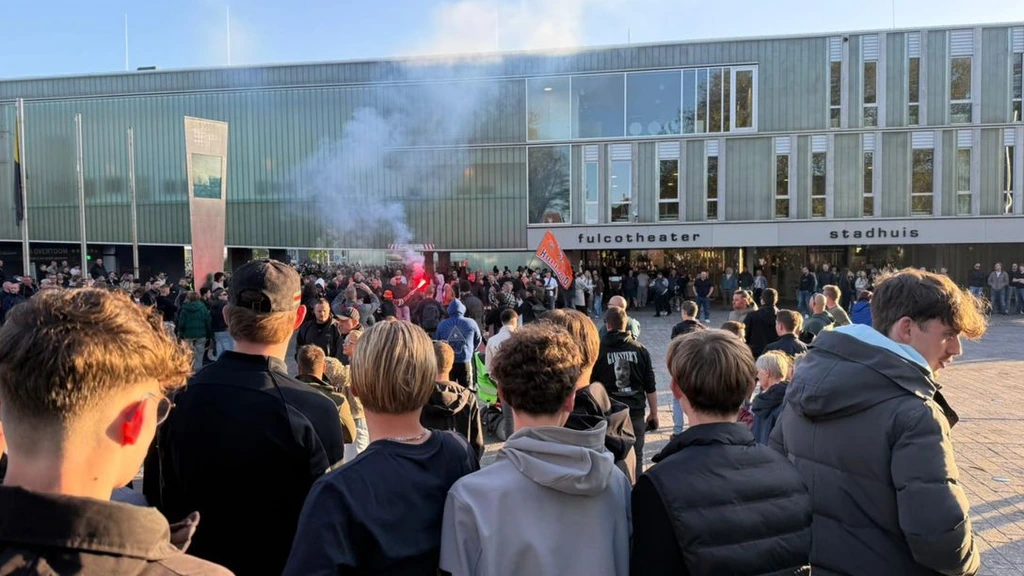
The municipality of IJsselstein should have proceeded more carefully regarding the establishment of emergency accommodation for refugees, according to Mayor Ester Weststeijn. The municipality is currently housing up to 150 status holders on the grounds of football club IJFC, a situation expected to last until the end of the year. While acknowledging that many aspects of the process were handled well, Weststeijn stated that certain elements could have been managed differently in retrospect. Notably, football club IJFC should have been involved earlier in the decision-making process, as construction began on their field in late May without their full agreement. The communication with the municipal council also fell short; the council felt blindsided by the decision and received insufficient answers to their questions during a brief information session. Mayor Weststeijn characterized the initial notification to the football club's board as a "bad news conversation" that should not have been discussed at the end of a regular meeting. The process created an unintended impression that council members' questions could still influence the final decision, which was not the case. A legal dispute is ongoing between IJFC and the municipality over financial compensation and guarantees for the shelter's closure by year-end, with a court ruling expected by July 17. The decision sparked unrest, including protests, arson incidents, and vandalism at the town hall and theater in April and May. The mayor condemned the violence, calling perpetrators "scum" for their unacceptable methods of expressing emotions about refugee reception. One 20-year-old man received a five-month prison sentence, two months suspended, for firing fireworks at police officers during demonstrations. Prior to this emergency shelter, IJsselstein had not housed asylum seekers, despite a legal requirement to accommodate 185 individuals under the distribution law.
The municipality's acknowledgment of procedural shortcomings in establishing emergency refugee housing highlights a common tension between urgent policy implementation and robust stakeholder engagement. While the need for swift action in humanitarian crises is evident, the reported communication gaps with the football club and the municipal council suggest a potential overemphasis on executive decision-making at the expense of collaborative governance. This approach, though perhaps expedient, can foster distrust and lead to protracted disputes, as seen in the ongoing legal action and public demonstrations. Moving forward, municipalities may benefit from integrating more structured consultation phases into their emergency planning frameworks. This would not only ensure compliance with democratic principles but also build community buy-in, mitigating the risk of social friction and legal challenges. The incident underscores the evolving challenge for local governments in balancing national mandates with local consensus in an era of increased public scrutiny and rapid information flow.
AI-generated to prompt reflection — not editorial opinion, not advice, not a statement of fact. How this works.