Ildefons Cerdà: The Architect Who Shaped Modern Barcelona
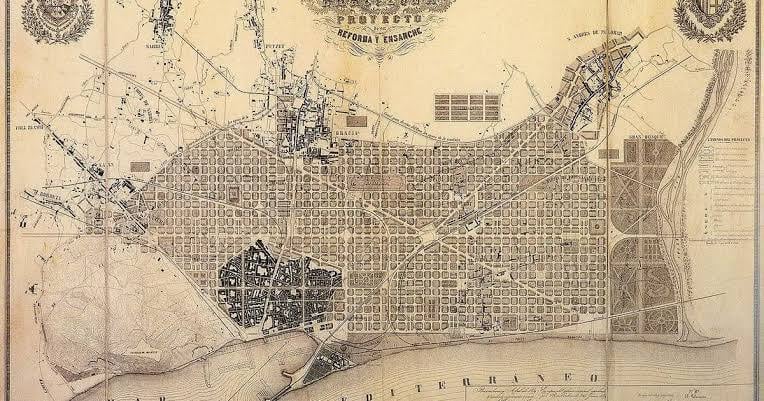
The year marks a significant double anniversary for Barcelona, honoring two of its most influential figures. It is the centenary of the death of the renowned architect Antoni Gaudí, a date that coincides with the sesquicentennial (150th anniversary) of another pivotal artist of the city: engineer Ildefons Cerdà. Cerdà is credited with designing the unique grid layout of Barcelona's Eixample district, a visionary urban plan that fundamentally shaped the city's modern form. His innovative approach to urban planning, characterized by wide avenues, octagonal blocks, and integrated green spaces, was revolutionary for its time. This anniversary serves as a reminder of Cerdà's lasting legacy and his profound impact on Barcelona's urban fabric and identity. While Gaudí's architectural masterpieces are globally celebrated, Cerdà's foundational urban design laid the groundwork for the city's expansion and development throughout the 19th and 20th centuries. The coincidence of these two anniversaries highlights the multifaceted artistic and engineering genius that has defined Barcelona.
The dual anniversaries of Antoni Gaudí and Ildefons Cerdà underscore the distinct yet complementary contributions to Barcelona's identity. While Gaudí's iconic structures represent artistic expression and cultural heritage, Cerdà's Eixample plan embodies rational urbanism and forward-thinking infrastructure. Examining Cerdà's legacy through the lens of contemporary urban challenges, such as sustainable development and smart city initiatives, reveals the enduring principles of his design. His emphasis on connectivity, public space, and efficient land use offers valuable lessons for modern urban planners navigating the complexities of population growth and environmental concerns in the AI era. The long-term success of Cerdà's plan can be attributed to its adaptability and its focus on human-centric design, principles that remain critical for the livability and resilience of cities worldwide.
AI-generated to prompt reflection — not editorial opinion, not advice, not a statement of fact. How this works.