Ilhabela Sailing Week Races Canceled Due to Strong Winds
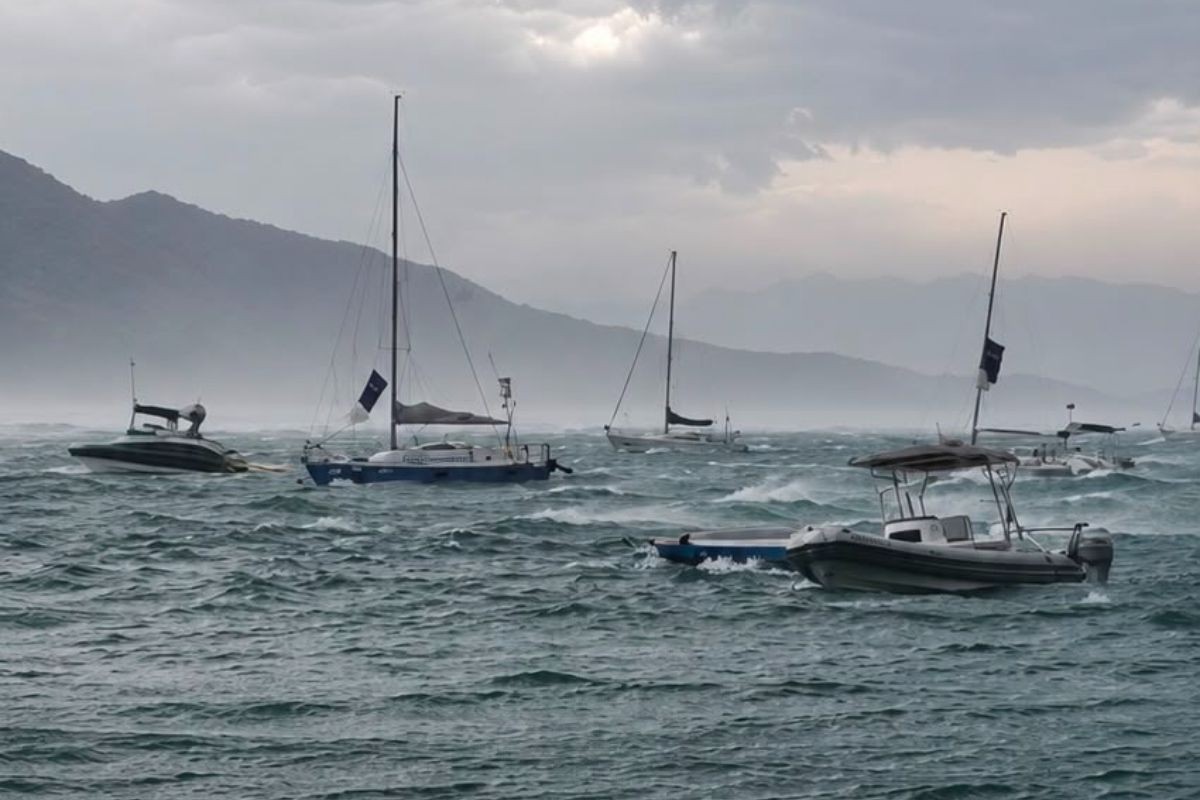
The 53rd Ilhabela International Sailing Week experienced race cancellations on Wednesday, July 29th, due to powerful winds caused by a cold front affecting the North Coast of São Paulo. Gusts reached approximately 75 km/h, prompting organizers and the Race Committee to prioritize the safety of sailors, support teams, and vessels. The decision was made in conjunction with the Race Committee to ensure the well-being of all participants. The event organizers are monitoring the weather and plan to resume races once conditions are safe. The social program, including the opening race awards ceremony, remains on schedule.
Beyond the sailing event, the strong winds caused significant disruptions across the North Coast. In Ilhabela, a municipal school, Luna Fernandes Silva, sustained roof damage and was preemptively closed, with students and staff relocated to another school without injuries. The Race Village also suffered structural damage. The ferry service between São Sebastião and Ilhabela was suspended due to winds reaching 72 km/h with gusts up to 90 km/h, exceeding the 46 km/h safety threshold. Ubatuba reported fallen trees and road blockages on several highways, including the Oswaldo Cruz Highway and Rio-Santos Highway. São Sebastião recorded gusts up to 77 km/h, leading to fallen trees, damage to a tent in the Historic Center, and a school's roof. A tourist boat also capsized in the São Sebastião Channel. Caraguatatuba experienced winds of 60.8 km/h, with residents documenting strong winds and rough seas.
The cancellation of the Ilhabela International Sailing Week races highlights the critical interplay between extreme weather events and large-scale public events. The decision to prioritize safety over competition reflects a growing awareness of climate-related risks. The widespread damage and disruptions across the North Coast of São Paulo underscore the vulnerability of infrastructure and transportation systems to intensified weather patterns, a trend projected to continue. This situation prompts a re-evaluation of risk management strategies for outdoor events and coastal communities, considering the increasing frequency and severity of such meteorological phenomena. Future planning may need to incorporate more robust contingency measures and adaptive infrastructure to mitigate the impacts of climate change on both recreational activities and essential services.
AI-generated to prompt reflection — not editorial opinion, not advice, not a statement of fact. How this works.