Illegal Charcoal Factory Owners Arrested for Exploiting Teenagers in Duque de Caxias
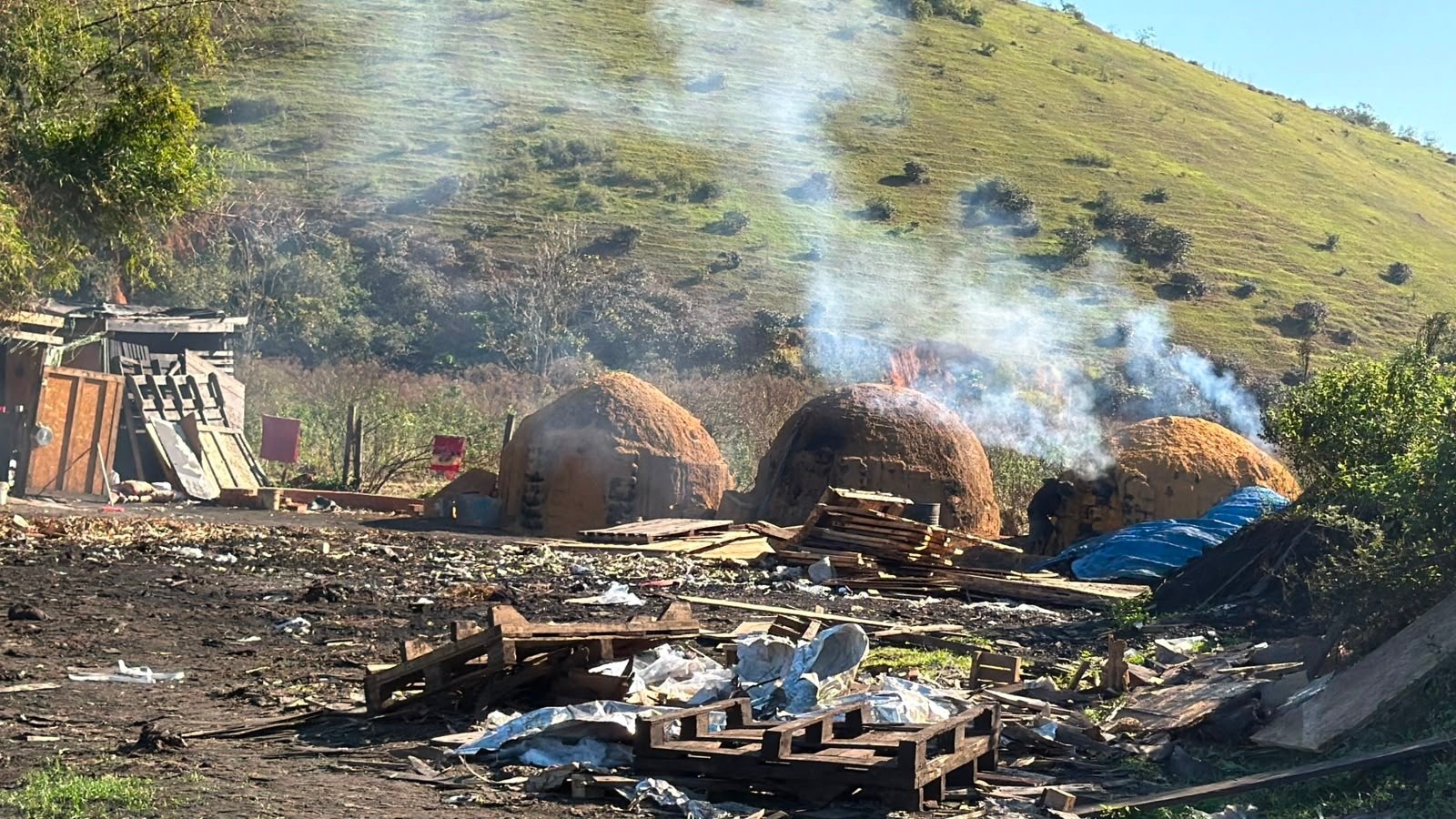
Civil Police in Duque de Caxias, Baixada Fluminense, arrested the owners of an illegal charcoal production facility on Monday, May 27th. The operation, located in Vila Santa Alice, was found to be exploiting three teenagers who were subjected to hazardous working conditions. Investigations revealed that the youths were involved in producing charcoal without protective equipment, exposing them to smoke, soot, dust, intense heat, and gases from wood carbonization. Police from the Environmental Protection Police Station (DPMA) conducted the raid following an investigation into the facility's irregular operations and potential environmental damage. During the inspection, officers found the three adolescents working directly in the harmful environment. The Civil Police also identified operational irregularities, indicating the facility was violating environmental license requirements. The two individuals responsible for the establishment were arrested and charged with environmental crimes, including pollution and operating a potentially polluting activity without a license. The case remains under investigation.
This incident highlights the persistent challenge of illegal industrial operations that exploit vulnerable populations and disregard environmental regulations. The exploitation of minors in hazardous conditions points to systemic failures in oversight and enforcement, potentially driven by profit motives that outweigh legal and ethical considerations. The dual nature of the charges—environmental crimes and labor exploitation—underscores the interconnectedness of these issues. Moving forward, strengthening regulatory frameworks, increasing proactive inspections, and ensuring swift, meaningful penalties are crucial to deterring such activities and protecting both human rights and the environment. The long-term implications involve not only immediate remediation but also fostering a culture of corporate responsibility that prioritizes safety and sustainability over illicit gains.
AI-generated to prompt reflection — not editorial opinion, not advice, not a statement of fact. How this works.