Illegal charcoal production shut down, 8 tons seized in Campos dos Goytacazes
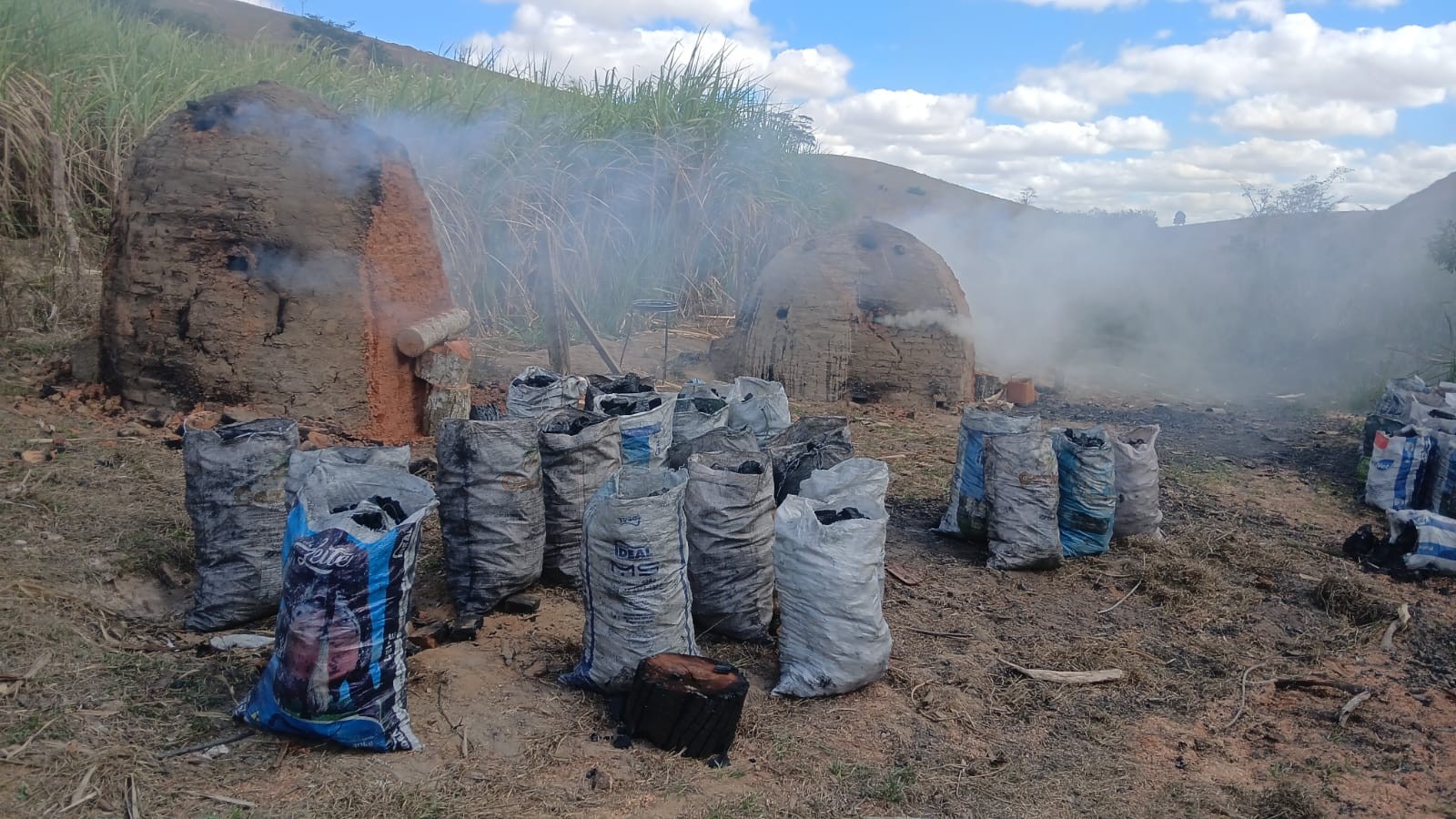
Environmental Military Police dismantled an illegal charcoal production site in Chave do Paraíso, a rural area of Campos dos Goytacazes, in the North Fluminense region of Brazil. The operation on Sunday, March 19th, followed an anonymous tip received by the Linha Verde program of Disque Denúncia. Officers discovered three makeshift kilns actively producing charcoal irregularly. A total of 158 bags, amounting to approximately eight tons of charcoal, were seized. The clandestine operation spanned an area of about one thousand square meters. No individuals responsible for the activity were present at the site during the inspection. Images captured by the agents depicted the kilns in operation, showing wood being processed into charcoal through illicit means. The incident was officially recorded at the 146th Police Station of Guarus. Investigations will proceed under Article 60 of the Environmental Crimes Law, which addresses the operation of potentially polluting activities without proper authorization from relevant bodies. The Linha Verde program reported that Campos dos Goytacazes has received 187 environmental crime complaints since the beginning of the year. The Environmental Military Police emphasized the critical role of anonymous tips in combating such offenses.
This operation highlights the persistent challenge of unregulated industrial activities, particularly those with significant environmental impact like charcoal production, operating outside legal frameworks. The seizure of eight tons of charcoal and the discovery of artisanal kilns underscore the scale of clandestine operations that bypass environmental regulations and potentially contribute to deforestation and pollution. The reliance on anonymous tips suggests a gap in proactive monitoring and enforcement, necessitating a review of surveillance strategies and community engagement for environmental protection. Future efforts might benefit from exploring incentives for formalization of such businesses, alongside robust enforcement, to balance economic activity with ecological sustainability in the face of growing environmental awareness and regulatory pressures.
AI-generated to prompt reflection — not editorial opinion, not advice, not a statement of fact. How this works.