Illegal Goods Seizures in Western São Paulo Surge 33% in First Half of 2026
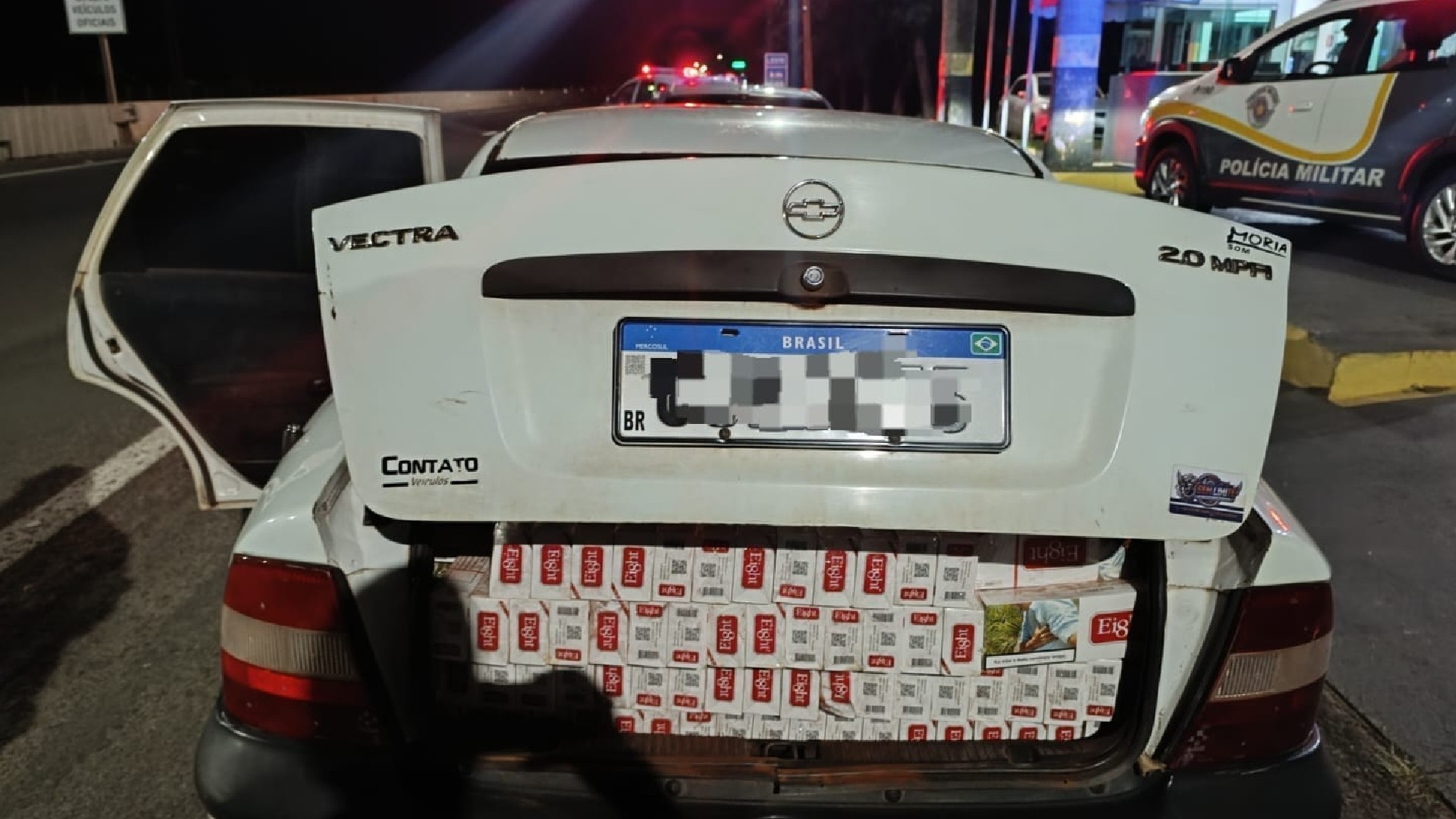
Authorities in the Presidente Prudente region of São Paulo, Brazil, have reported a significant increase in seizures of illegal goods during the first half of 2026. The Federal Revenue Service recorded 173 incidents of illegal merchandise confiscation, marking a 33.1% rise compared to the same period in 2025, when 130 cases were documented. This represents an increase of 43 more occurrences year-over-year. Beyond the sheer volume, the financial value of seized items also climbed by 23.2%. Federal Revenue officials note that these figures may still grow as some 2026 seizure reports are pending finalization.
Among the confiscated items, contraband cigarettes remain a primary concern, with seizures jumping from 26 in early 2025 to 33 in the first half of 2026, a 26.9% increase. A particularly sharp rise was observed in vehicle seizures, with 143 cars impounded in the first six months of 2026, up from 81 in the prior year—a 76.5% surge. Seizures of other goods, including electronics and imported products, also saw a substantial increase, rising by 32.1% from 112 to 148 incidents, with their financial value growing by 27.9%. Approximately 90% of these seizures are attributed to "Operation Impact," a joint effort by the Military Highway Police, Federal Revenue, and Federal Police, highlighting the effectiveness of intensified road patrols. These highways, such as Raposo Tavares (SP-270), continue to be major transit routes for illegal goods destined for São Paulo city, with the region rarely being the final destination.
The surge in illegal goods seizures in Western São Paulo, particularly contraband cigarettes and vehicles, reflects intensified enforcement efforts and the persistent demand for illicit products. This trend underscores the ongoing challenge of managing cross-border trade and the economic incentives driving organized crime. The data suggests a shift towards intercepting smaller, more frequent shipments, as indicated by the increased number of vehicles seized alongside a potentially lower average value per seizure. This pattern may indicate adaptive strategies by illicit networks to evade larger-scale detection. Furthermore, the cited FGV study linking the illegal cigarette market to increased violence and tax evasion highlights the broader societal costs associated with these activities, presenting a complex policy challenge that balances law enforcement with economic and public safety considerations.
AI-generated to prompt reflection — not editorial opinion, not advice, not a statement of fact. How this works.