Illegal Hare Coursing: Gangs, Violence, and Animal Cruelty Plague Rural Britain
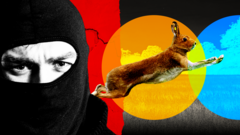
An investigation by the BBC has revealed the extensive and often violent hidden world of illegal hare coursing across Great Britain. Farmers are reporting increasing attacks and intimidation linked to these activities, which involve using dogs to chase and kill hares. Police forces have received nearly 9,000 reports related to this banned practice in recent years, highlighting the scale of the problem. The illegal hunts are often conducted by organized gangs who operate across county lines, making them difficult to track and apprehend. Beyond the chase itself, these activities are associated with significant animal cruelty, including the dumping of dead animals. The issue has become a growing concern for rural communities, with many farmers feeling vulnerable and unsupported in tackling the problem. The BBC's findings underscore the persistent challenge law enforcement faces in combating this deeply entrenched criminal activity.
The widespread reports of illegal hare coursing, often linked to organized crime and violence, expose a persistent governance gap in rural areas. This activity, which involves significant animal cruelty and poses risks to property and personal safety, suggests that current enforcement mechanisms and deterrents are insufficient. The nearly 9,000 reports indicate a systemic issue that may be exacerbated by the mobility of these groups and the difficulty in gathering evidence. Future strategies could explore enhanced inter-agency cooperation, technological surveillance in known hotspots, and community-led initiatives to provide intelligence and support to law enforcement. Addressing the underlying demand for such activities and the economic incentives for participants may also be crucial for long-term eradication.
AI-generated to prompt reflection — not editorial opinion, not advice, not a statement of fact. How this works.