Illegal parking near media office will be written in history as a dark chapter: Gyaneendra Shahi
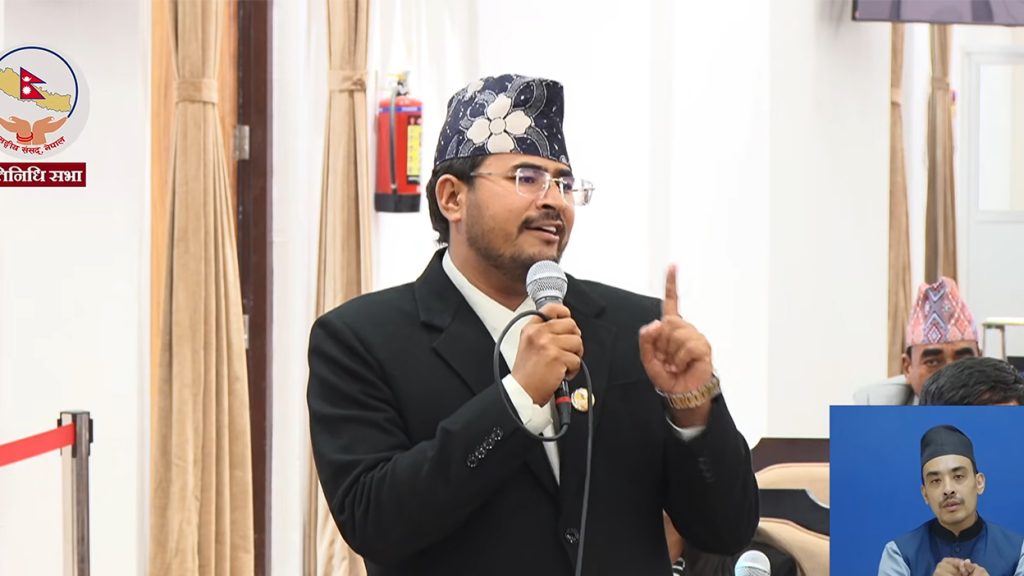
Gyaneendra Shahi has stated that the issue of illegal parking in front of media offices will be remembered as a dark chapter in history. He believes that creating state terror through parking in front of homes and spreading algorithms is an act that will be recorded negatively in the annals of time. Shahi's remarks highlight a concern about how certain actions, perceived as oppressive or disruptive, will be judged by future generations. He implies that the current environment is fostering a sense of unease and injustice. The statement suggests a broader critique of power dynamics and the methods used to assert control or influence. Shahi's perspective frames these actions not just as minor inconveniences but as significant events with lasting historical implications. He calls for a recognition of the long-term consequences of such behavior. The core of his message is a warning about accountability and historical judgment.
The statement by Gyaneendra Shahi frames the issue of illegal parking and perceived 'state terror' as a matter of historical record. This perspective suggests that current actions, even if seemingly minor or localized, are being evaluated through a lens of long-term societal impact and governance. The reference to 'algorithms' could imply a concern about the systematic or technologically-enabled nature of certain practices that create disruption or control. From a systems perspective, such events can highlight potential breakdowns in urban planning, regulatory enforcement, or the balance of power between public access and private interests. The historical framing encourages reflection on how contemporary issues of public space and order are managed, and what precedents they set for future urban development and civic life. It prompts consideration of the incentive structures that lead to such parking practices and the effectiveness of current governance mechanisms in addressing them.
AI-generated to prompt reflection — not editorial opinion, not advice, not a statement of fact. How this works.