Illegal slaughterhouse discovered in rural Boa Esperança; uninspected meat seized
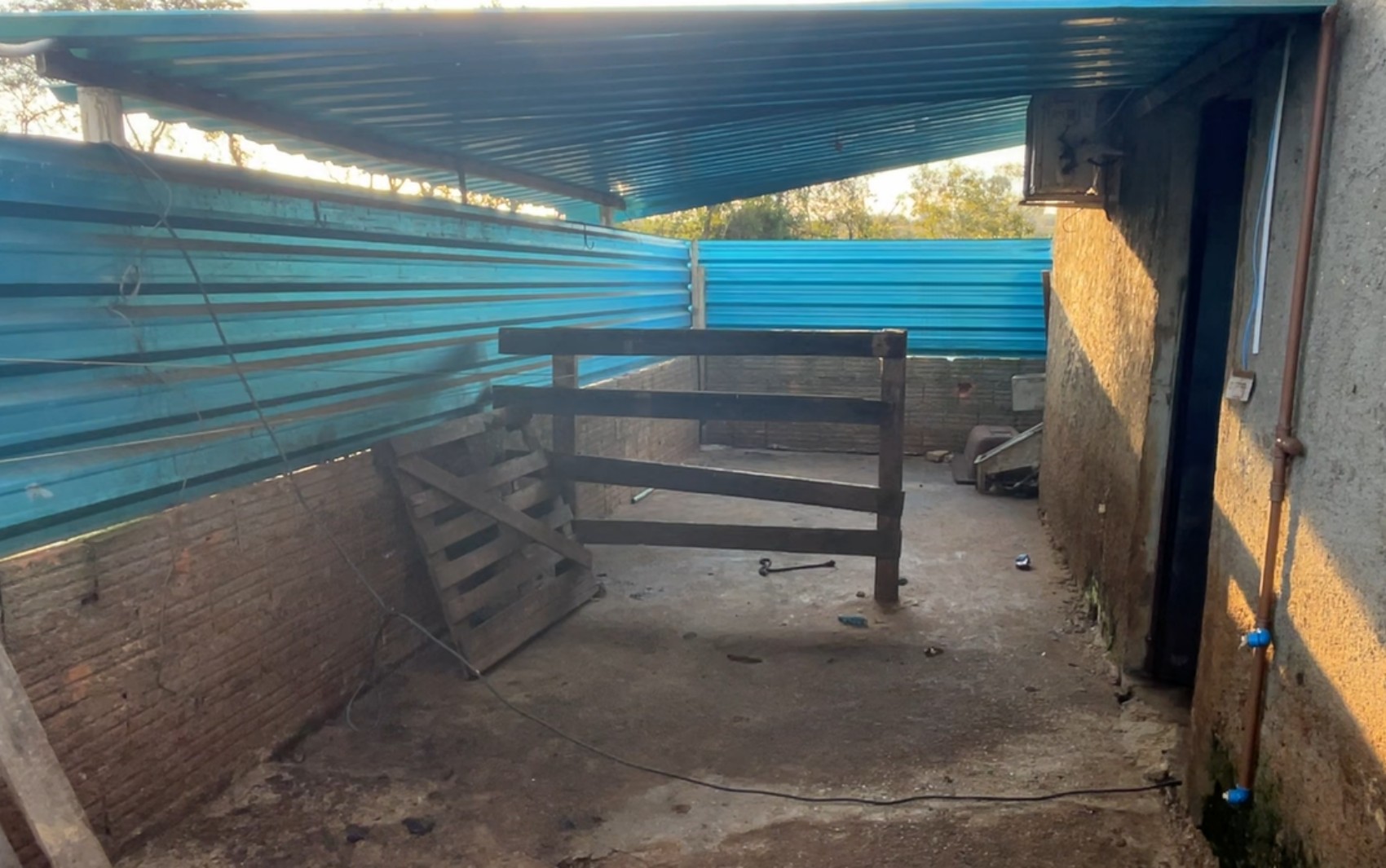
An illegal cattle slaughterhouse was discovered in the rural area of Boa Esperança, Minas Gerais, in a region known as Barro Vermelho. The Civil Police are investigating the case, which began after a tip-off received on July 31st. Following preliminary investigations, police officers and Municipal Guard agents visited an isolated property in the rural zone and found evidence of irregular slaughterhouse operations.
On the morning of Tuesday, August 4th, Civil Police, agents from the Minas Gerais Institute of Agriculture (IMA), and members of the Environmental Military Police returned to the site for a technical inspection. During the operation, freezers containing a large quantity of frozen meat, a cold room with dead animals, and a preparation table with several slaughtered animals were found. The meat lacked legal provenance and was seized and properly disposed of under IMA supervision. Authorities emphasized that uninspected meat poses significant health risks to consumers, potentially transmitting infections.
The delegate in charge of the investigation stated that the lawyer for the individual identified as the slaughterhouse owner visited the police station. The owner's lawyer is scheduled to provide a statement on Wednesday. The Civil Police continue to investigate the matter.
This discovery highlights critical gaps in food safety oversight, particularly in rural areas where regulatory reach may be limited. The operation of an uninspected slaughterhouse poses a direct public health risk, as meat lacking proper inspection can harbor pathogens. The investigation's progression, involving multiple law enforcement and agricultural agencies, suggests a coordinated effort to address such illicit activities. Moving forward, strengthening surveillance systems and public awareness campaigns regarding the importance of certified meat sources could mitigate future occurrences and protect consumer health. The case also underscores the challenges in ensuring compliance within fragmented supply chains, prompting a review of enforcement strategies and resource allocation for food safety agencies.
AI-generated to prompt reflection — not editorial opinion, not advice, not a statement of fact. How this works.
