Illegal weight-loss pen seizures in Minas Gerais surge nearly 300%
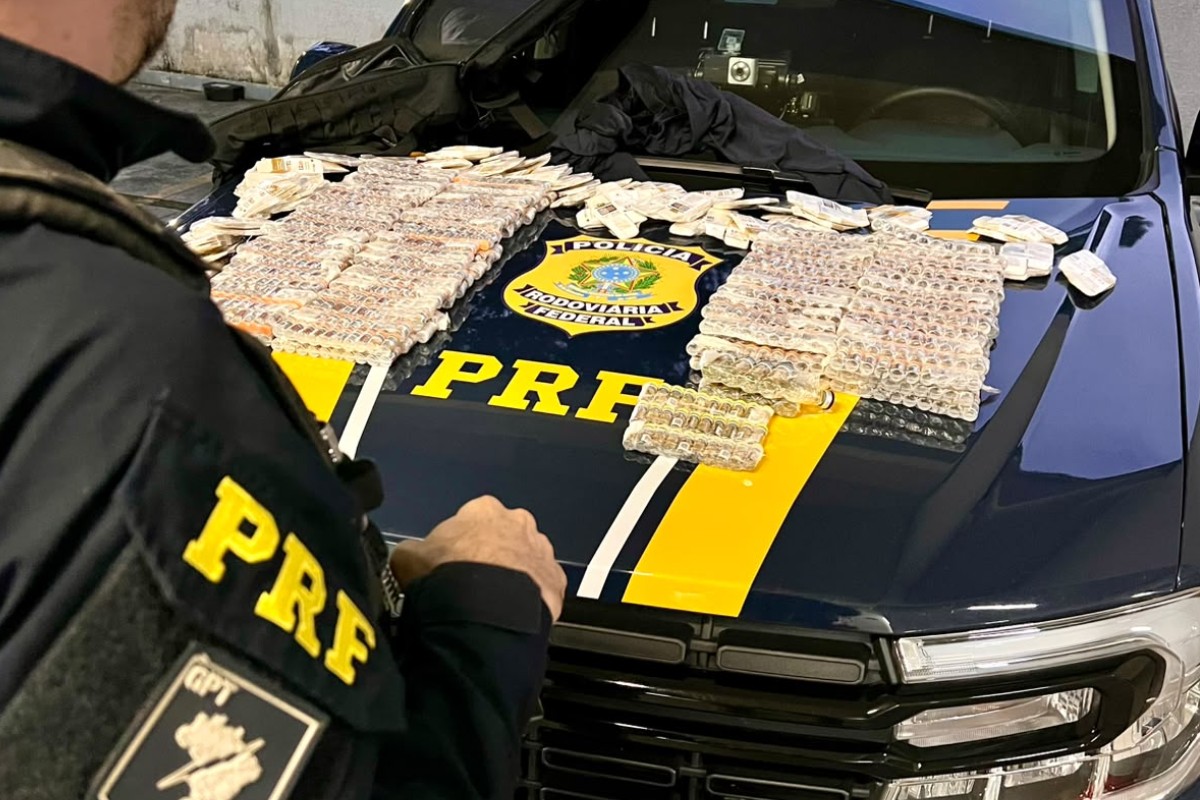
Minas Gerais has seen a dramatic increase in the seizure of illegal weight-loss pens and other related medications, with confiscations soaring by nearly 300% in the first half of 2026 compared to the previous year. Between January and June 2026, federal police removed over 3,600 pens, ampoules, and vials from circulation, a significant jump from the 942 items seized in all of 2025. This surge coincides with the growing popularity of weight-loss treatments and the proliferation of unregulated products sold without proper registration or sanitary control.
In response to this trend, the National Health Surveillance Agency (Anvisa) recently approved five new weight-loss pens, bringing the total number of authorized medications in this category in Brazil to 21. However, health experts warn that using unverified substances without medical supervision can lead to severe health complications. One alarming case involves Kellen Oliveira Bretas Antunes, 42, from Belo Horizonte, who suffered severe health issues, including pancreatitis, kidney failure, and Guillain-Barré syndrome, after using a weight-loss pen illegally obtained from a neighbor. She spent four months in intensive care and is now undergoing rehabilitation, requiring assistance for daily activities. Her husband, Júlio César Mira Antunes, stated that her recovery is slow but ongoing, attributing her survival to divine intervention. Kellen reported purchasing the product, brought from Paraguay, through a messaging app, and the seller provided instructions on how to divide the medication. Doctors emphasize that even regulated weight-loss medications require professional guidance, and unusually low prices or informal sales should be treated as red flags, as there's no guarantee of the product's origin, storage, or composition.
The sharp rise in seizures of unregulated weight-loss products highlights a growing public demand for rapid weight management solutions, coupled with the challenges of controlling illicit cross-border trade and informal sales channels. This trend exposes a critical gap between consumer desire for accessible treatments and the regulatory framework's capacity to ensure product safety and efficacy. The severe health consequences experienced by individuals like Kellen Oliveira Bretas Antunes underscore the inherent risks of bypassing medical professionals and regulatory oversight. Future public health strategies may need to address not only enforcement but also public education on the dangers of unregulated pharmaceuticals and potentially explore more accessible, regulated avenues for weight management to mitigate the appeal of black-market alternatives. The increasing number of approved medications suggests a market response, but the persistence of illegal sales indicates underlying socioeconomic factors and a need for robust supply chain integrity.
AI-generated to prompt reflection — not editorial opinion, not advice, not a statement of fact. How this works.