Illinois Governor Signs Strict AI Regulations into Law
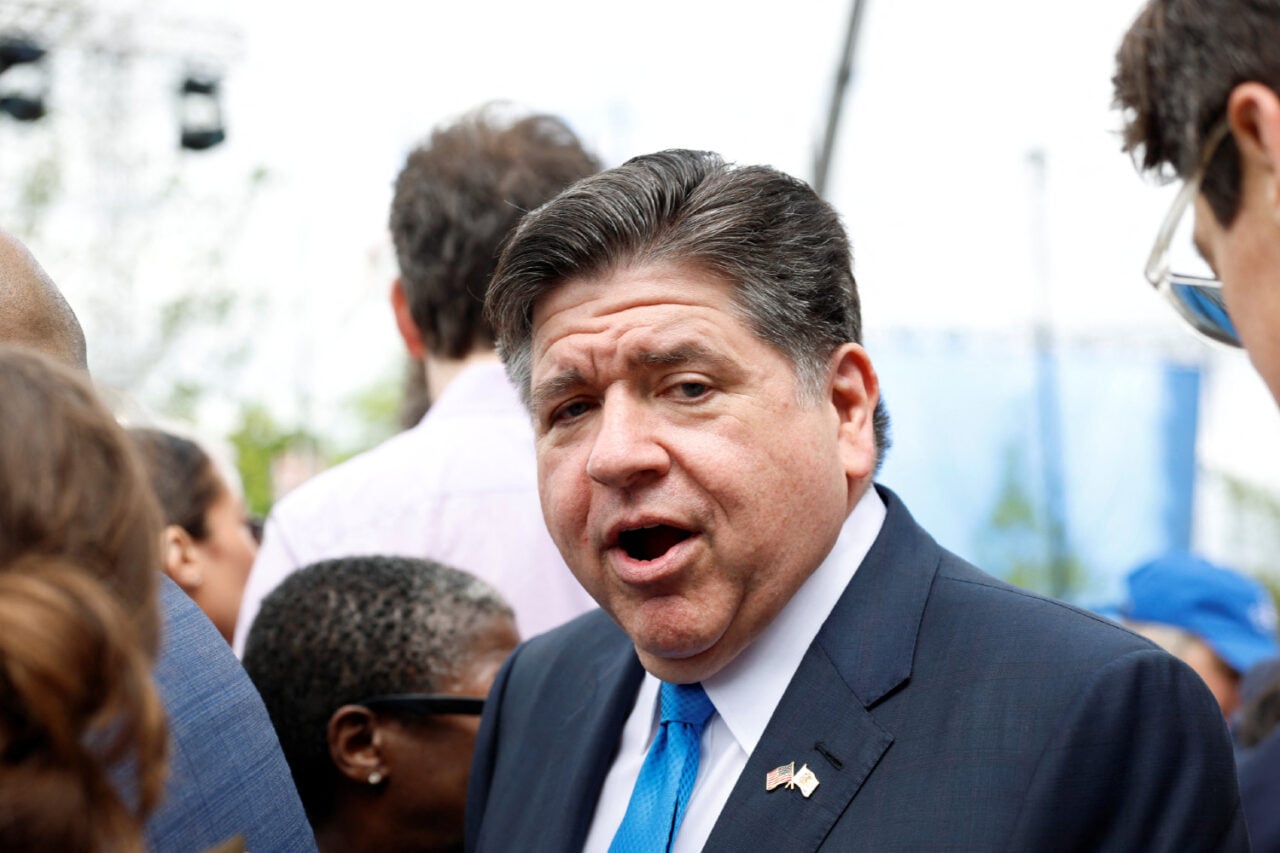
Illinois Governor J.B. Pritzker has signed a new law imposing significant regulations on artificial intelligence companies. The legislation, aimed at curbing potential harms and biases associated with AI technologies, introduces stringent requirements for developers and deployers of AI systems within the state. This move signals a proactive approach by Illinois to govern the rapidly evolving field of artificial intelligence. The specific details of the regulations include mandates for transparency, accountability, and risk assessment for AI applications. Companies operating in Illinois will now need to adhere to these new standards, which are designed to protect consumers and ensure responsible AI development. Governor Pritzker's administration emphasized that the law is intended to foster innovation while simultaneously safeguarding public interests. The legislation comes amid growing national and international discussions about the ethical implications and societal impact of artificial intelligence. It represents one of the most comprehensive state-level attempts to regulate AI to date. The law is expected to influence how other states and potentially the federal government approach AI governance.
Illinois's new AI regulations reflect a growing trend of legislative bodies attempting to establish governance frameworks for rapidly advancing technologies. By prioritizing transparency and accountability, the state aims to mitigate risks associated with algorithmic bias and unintended consequences. This approach seeks to balance the potential benefits of AI with the need for public protection, creating an environment where innovation can occur within defined ethical boundaries. The effectiveness of these regulations will likely depend on their adaptability to future technological developments and the capacity of regulatory bodies to enforce them, potentially setting a precedent for other jurisdictions grappling with similar challenges in the AI era.
AI-generated to prompt reflection — not editorial opinion, not advice, not a statement of fact. How this works.