IMAX vs. IMAX 70mm: Understanding Cinema Format Differences
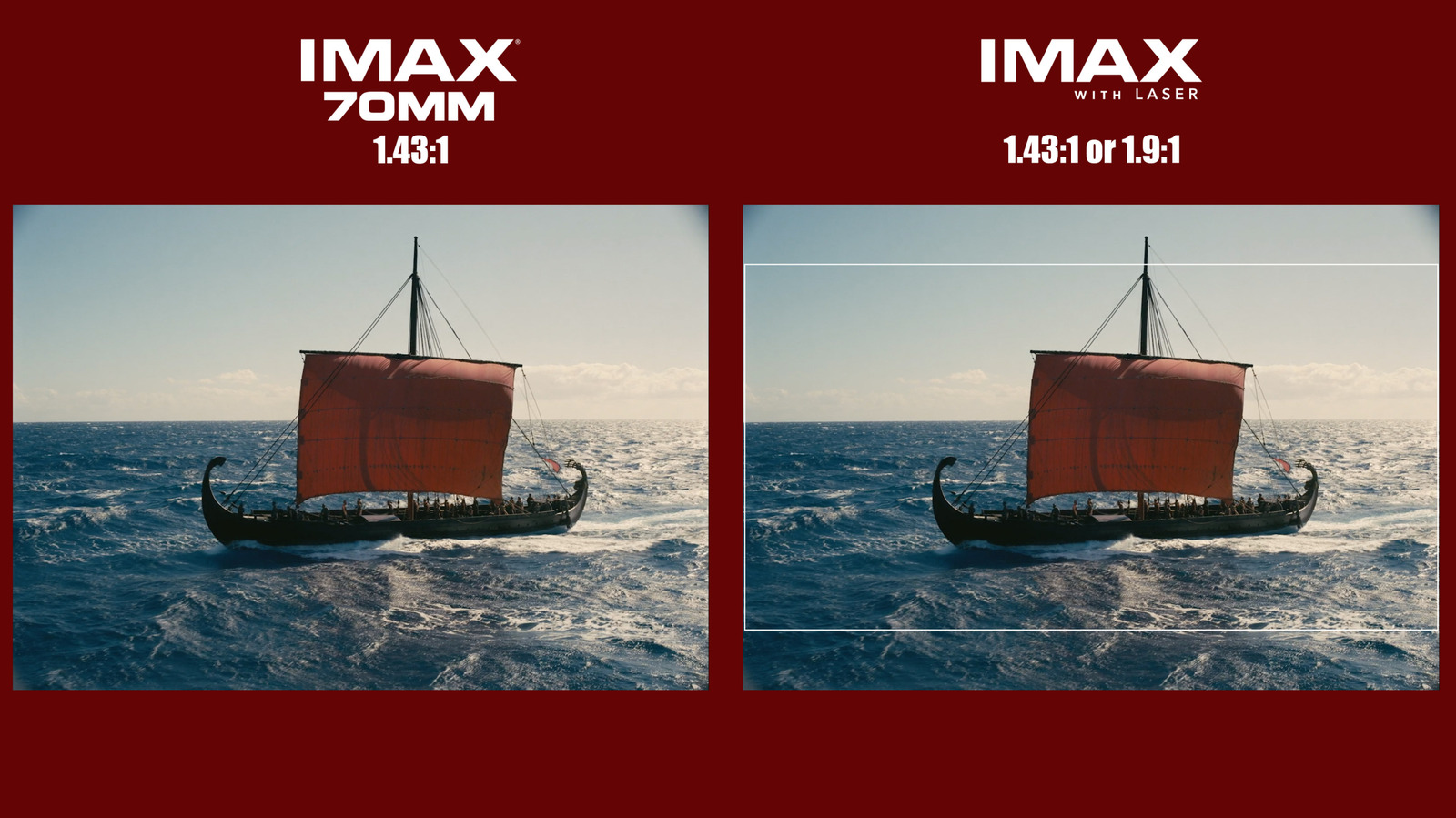
The distinction between various IMAX filming and projection formats significantly influences the cinematic viewing experience for audiences. IMAX employs different technologies that result in varying levels of image quality and immersion. These formats are not uniform across all IMAX theaters, leading to a diverse range of potential viewing experiences. Understanding these technical differences is key to appreciating the nuances of how films are presented in these premium cinema environments. The specific format used can affect the aspect ratio, resolution, and overall visual impact of a movie. For instance, some IMAX presentations utilize 70mm film, which is known for its superior clarity and depth. Other IMAX formats might rely on digital projection, offering a different, though often still highly advanced, visual fidelity. The choice of format impacts everything from the perceived detail of the image to the feeling of being present within the film's world. Ultimately, the technology behind IMAX presentation plays a crucial role in delivering the intended artistic vision to the viewer.
The divergence in IMAX formats highlights the complex interplay between technological evolution and audience experience in the cinema industry. While IMAX aims for a premium viewing standard, the existence of multiple formats, including the distinct IMAX 70mm, suggests a tiered approach to this premium offering. This can create disparities in perceived value and viewing quality, potentially influencing consumer choice and industry investment strategies. As digital technologies advance, the industry faces ongoing decisions regarding the preservation and adoption of both traditional film and new digital projection methods. The long-term implications involve balancing the pursuit of the highest fidelity with the economic realities of cinema operations and content production.
AI-generated to prompt reflection — not editorial opinion, not advice, not a statement of fact. How this works.