IMF: Saudi Economy Shows Resilience Amidst Middle East Conflict
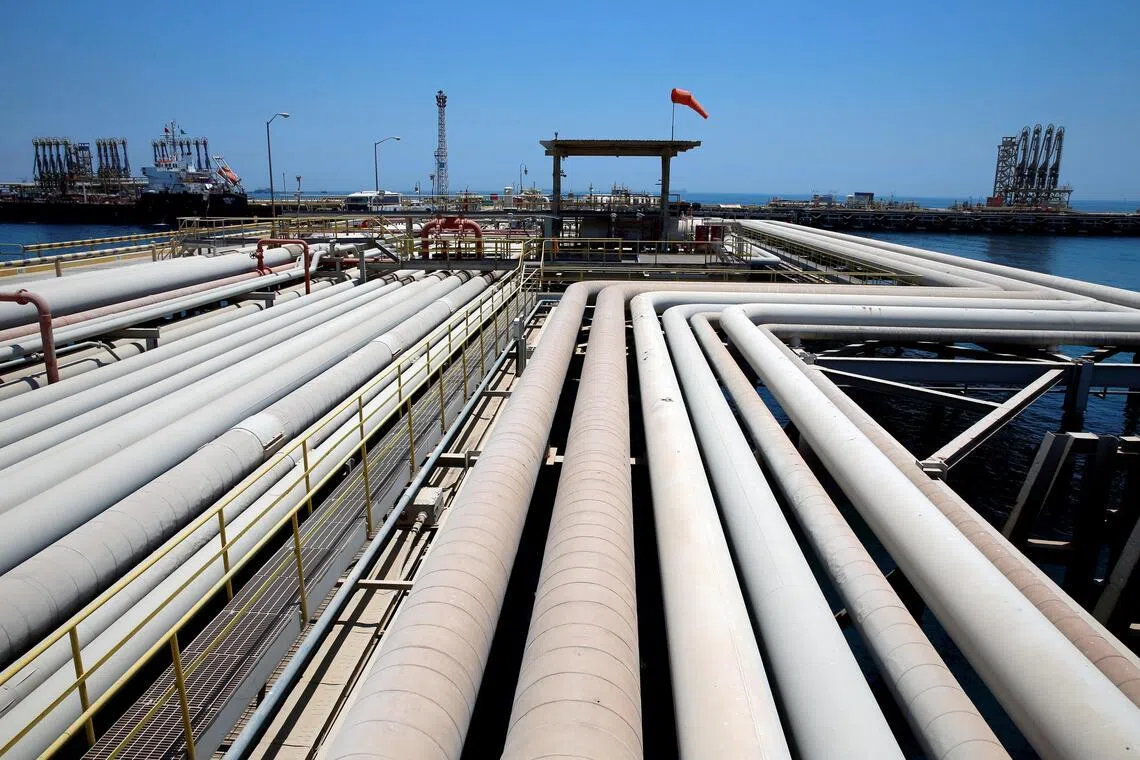
The International Monetary Fund (IMF) has stated that Saudi Arabia's economy is demonstrating resilience despite ongoing conflicts in the Middle East. As the world's largest exporter of oil, Saudi Arabia's economic stability is of significant global interest. The IMF's assessment suggests that the Kingdom's economic structures are proving robust in the face of regional instability. This resilience is crucial for maintaining global energy markets, given Saudi Arabia's dominant position in oil exports. The fund's report highlights the country's capacity to withstand external pressures. Further details on the specific factors contributing to this resilience were not provided in the initial report. The IMF's statement comes at a time of heightened geopolitical tensions in the Middle East.
The IMF's assessment of Saudi Arabia's economic resilience, particularly in the context of Middle East conflicts, underscores the intricate relationship between geopolitical stability and energy markets. The Kingdom's status as the world's largest oil exporter positions it as a critical player, where its economic performance can significantly influence global supply and pricing dynamics. This resilience may be attributed to various factors, including strategic oil production policies, diversification efforts, and robust financial reserves. However, sustained regional instability presents inherent risks, potentially impacting investor confidence and long-term economic planning. Future economic strategies will likely need to balance energy market influence with the imperative of domestic diversification and adaptation to evolving global energy landscapes, especially in light of the accelerating transition towards renewable energy sources.
AI-generated to prompt reflection — not editorial opinion, not advice, not a statement of fact. How this works.