IMF Warns Middle East Conflict Escalation Will Harm Global Growth, Worsen Inflation
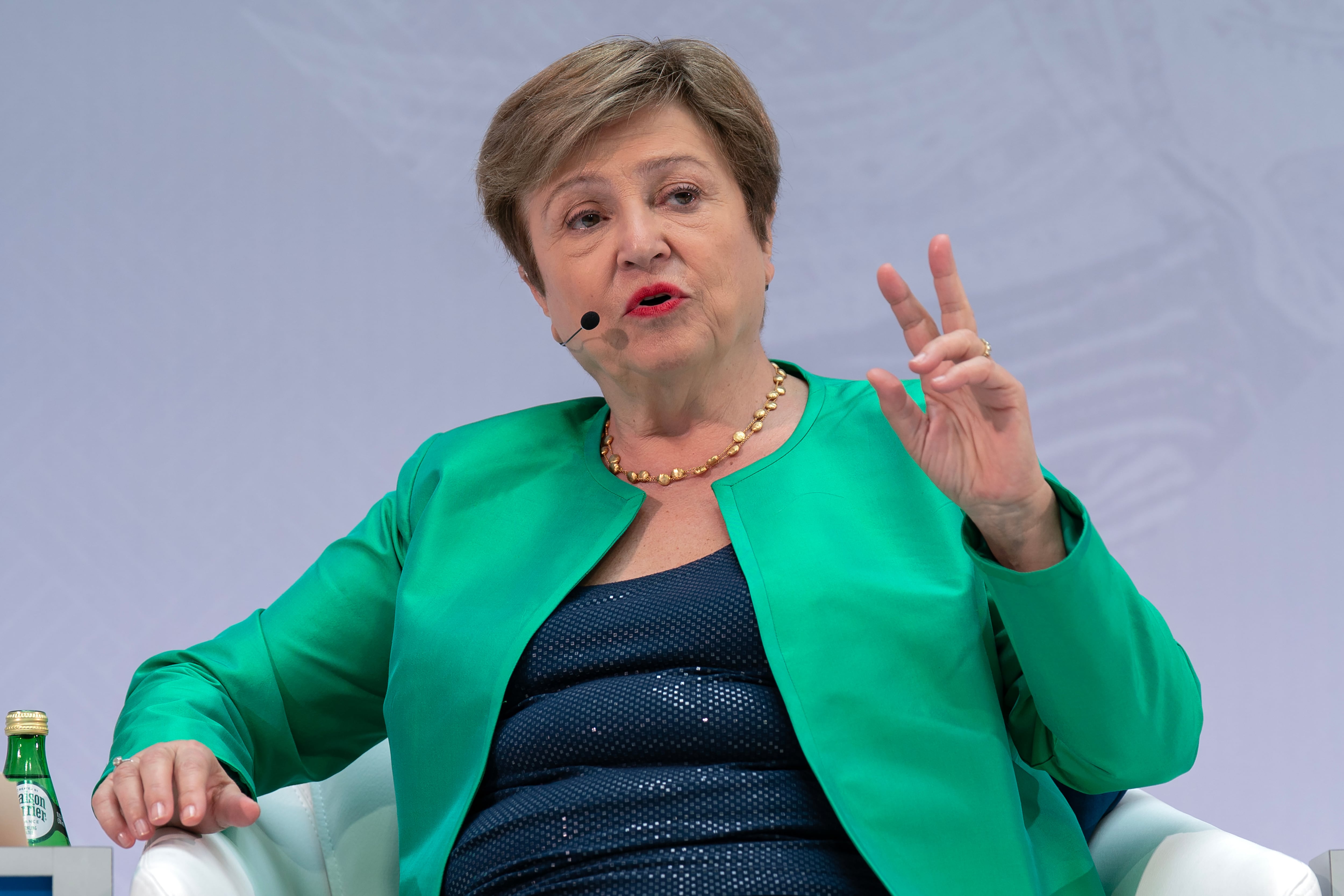
The International Monetary Fund (IMF) has issued a warning that an escalation of the war in the Middle East will negatively impact global economic growth and exacerbate inflationary pressures. The organization has consequently lowered its forecast for world economic growth by one-tenth of a percentage point, bringing it down to 3%. This revision is directly attributed to the anticipated effects of the conflict, specifically mentioning the war in Iran as a contributing factor. The IMF's assessment highlights the interconnectedness of geopolitical stability and economic prosperity, indicating that regional conflicts can have far-reaching consequences for the global economy. The projected slowdown in growth suggests that businesses and consumers worldwide may face more challenging economic conditions in the near future. Furthermore, the warning about worsening inflation implies that the cost of goods and services could continue to rise, impacting household budgets and potentially leading to tighter monetary policies from central banks.
The IMF's revised forecast underscores the significant systemic risks that geopolitical instability poses to the global economy. By identifying the Middle East conflict as a drag on growth and an inflationary accelerant, the IMF highlights the delicate balance of international supply chains and energy markets. This event prompts consideration of how global economic resilience can be strengthened against such shocks, potentially through diversification of energy sources and supply networks. The tension between immediate conflict impacts and long-term sustainable growth strategies will likely define economic policy debates in the coming decade, especially as the world navigates evolving technological landscapes and climate challenges.
AI-generated to prompt reflection — not editorial opinion, not advice, not a statement of fact. How this works.