Immigrants Boost SA Economy by 9% While Being Unfairly Blamed for Societal Problems, Report States
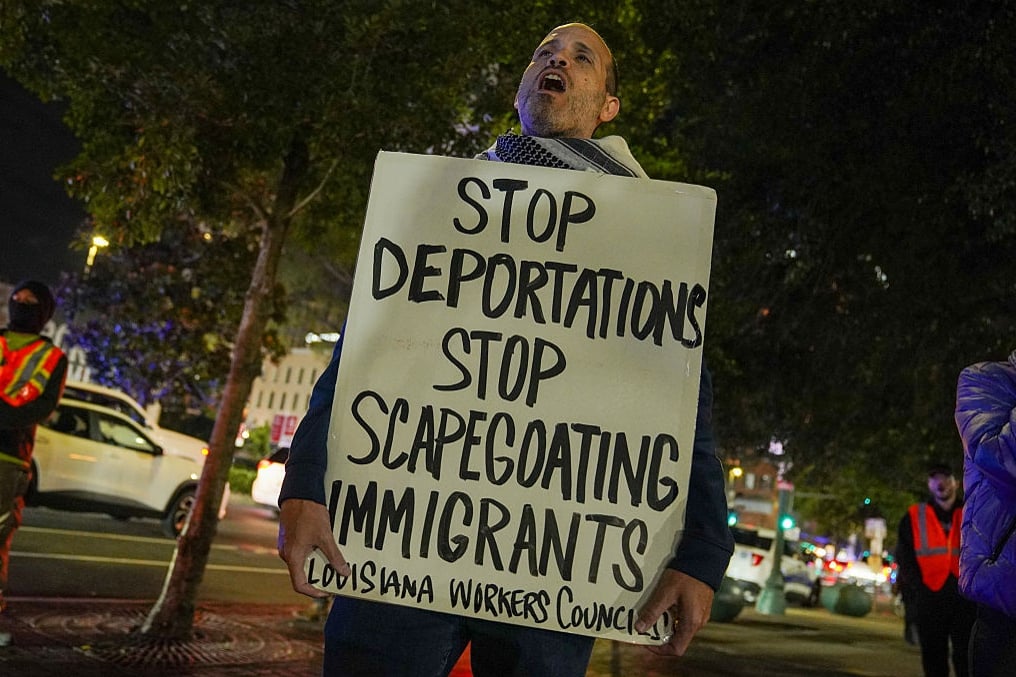
A recent report from the Institute for Security Studies (ISS) and the University of Johannesburg challenges common anti-immigrant narratives in South Africa. The study indicates that immigrants contribute significantly to the nation's Gross Domestic Product (GDP), accounting for 9% of its total value. Despite this economic contribution, the report highlights that immigrants are frequently made scapegoats for the country's social and economic challenges. The researchers assert that the primary drivers of South Africa's societal issues, such as poor governance and widespread corruption, are being overlooked. The findings aim to debunk widespread claims that immigration is a root cause of the nation's failures, suggesting that focusing on these external factors distracts from addressing the real, internal problems.
This report presents a data-driven counterpoint to common public discourse, suggesting a disconnect between perceived causes of societal issues and their actual drivers. By quantifying the economic contribution of immigrants, the ISS and University of Johannesburg study highlights potential economic benefits that may be undermined by public sentiment and policy. The analysis points to systemic governance failures and corruption as the more probable root causes of South Africa's challenges, implying that misdirected blame could hinder effective policy solutions. Focusing on immigrants as a scapegoat may serve to deflect accountability from those responsible for governance and anti-corruption efforts, potentially perpetuating a cycle of underdevelopment and social strain.
AI-generated to prompt reflection — not editorial opinion, not advice, not a statement of fact. How this works.