Impact of Senator Lindsey Graham's Death on US Politics
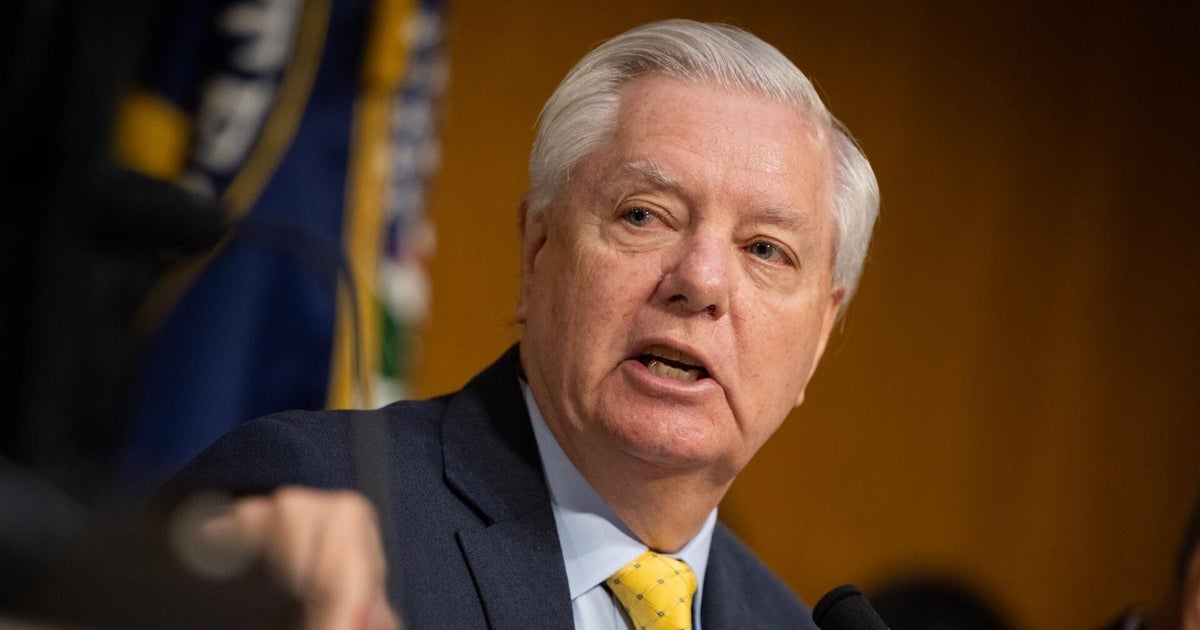
The unexpected death of Senator Lindsey Graham has sent shockwaves through Washington, D.C. Political strategist Kevin Sheridan discussed the profound implications of Graham's passing on the landscape of American politics in an interview with CBS News 24/7. Graham, a prominent figure in the Republican party, held significant influence in various policy areas and within the Senate. His absence is expected to create a void in key committees and legislative discussions. Sheridan's analysis likely delved into how Graham's departure might shift the balance of power within the Senate and affect upcoming legislative battles. The senator's long tenure and his role in shaping key political debates mean his death will have a ripple effect across the political spectrum. The discussion would have covered his influence on judicial appointments, foreign policy, and national security. The strategic implications for both the Republican and Democratic parties are considerable. Graham's constituents in South Carolina will also feel the impact of losing their long-serving representative. The political maneuvering to fill the void left by his leadership will be a significant development in the coming months.
The unexpected passing of a senior lawmaker like Senator Lindsey Graham introduces significant political uncertainty. His established influence, particularly within his party and on specific policy domains, means his absence will necessitate a realignment of legislative priorities and power dynamics. This event underscores the fragility of political leadership and the systemic reliance on individual figures to drive agendas. The subsequent jockeying for influence and the potential shifts in legislative direction will be critical to observe over the next decade, especially as the political environment continues to evolve with technological advancements and changing societal expectations. Understanding how institutional processes adapt to such sudden leadership changes is key to assessing the resilience of governance structures.
AI-generated to prompt reflection — not editorial opinion, not advice, not a statement of fact. How this works.