Imperatriz Municipality and Transport Company Ordered to Fix Public Transit
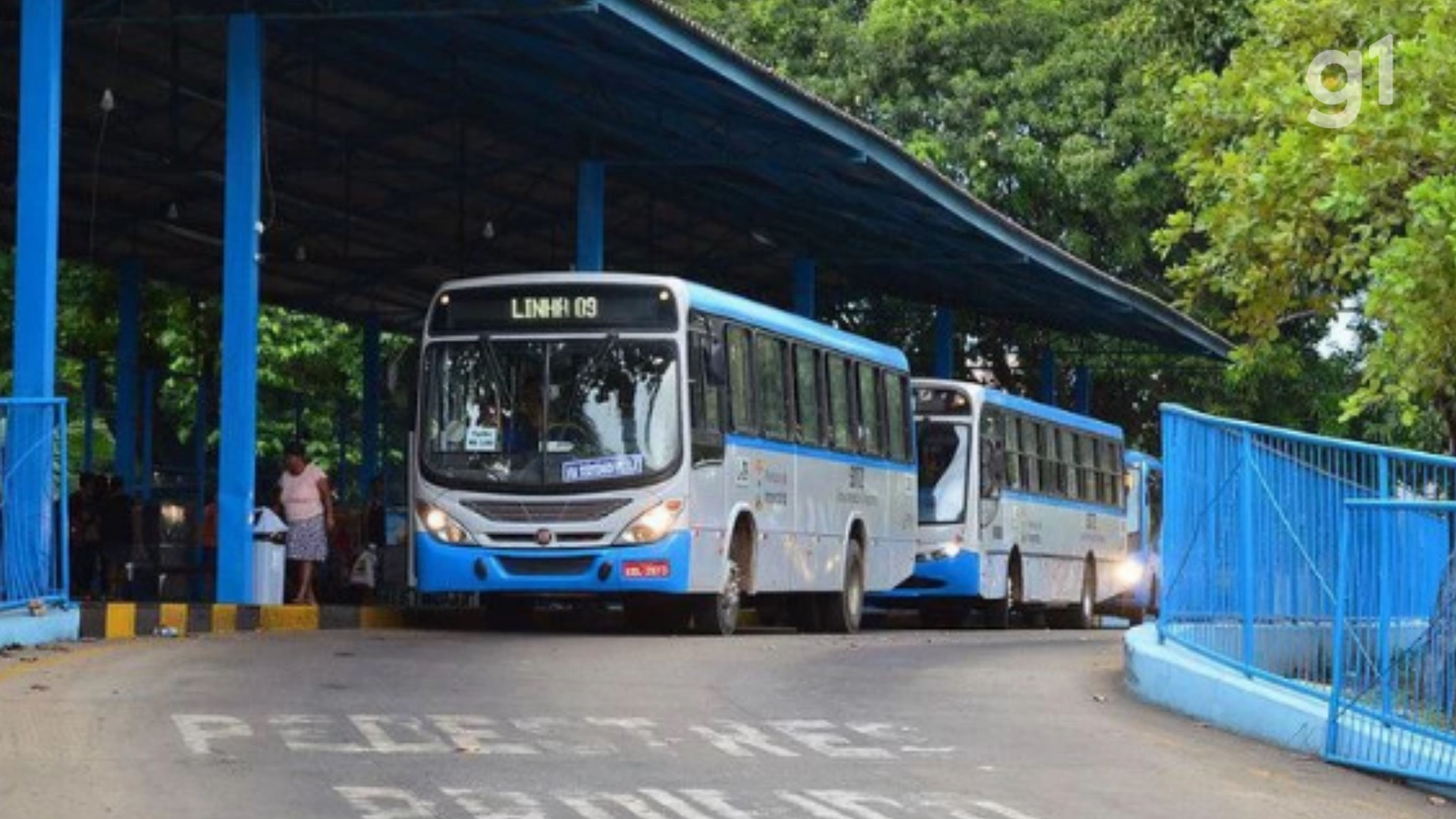
A court in Imperatriz, Maranhão, has ordered the Rio Anil Transporte e Logística (Ratrans) company and the Imperatriz Municipality to implement measures to regularize the city's public transportation system and ensure adequate service. Judge Ana Lucrécia Sodré of the 2nd Public Treasury Court issued the ruling following a public civil action filed by the Public Prosecutor's Office and the Public Defender's Office. The company and municipality must also pay R$ 1 million in collective moral damages due to numerous irregularities identified by Procon and Detran. These issues included lack of accessibility, poor vehicle conditions, inadequate safety features like expired fire extinguishers and worn tires, and expired licensing documents. The inspection also revealed issues such as lack of air conditioning, overcrowding, irregular schedules, insufficient vehicles and routes, service interruptions, and poor bus stop infrastructure. A Detran inspection found 22 out of 30 inspected vehicles failed to meet standards, with two being seized by the Federal Highway Police for severe disrepair. The court emphasized that public transport must meet consumer interests regarding regularity, continuity, efficiency, safety, timeliness, accessibility, and courtesy, with fair fares. The ruling noted that actions taken by the company and municipality since the lawsuit was filed on March 24, 2023, were insufficient to address the documented problems.
This judicial decision highlights a systemic failure in public service provision, where regulatory oversight and corporate responsibility have fallen short of consumer expectations and legal standards. The court's intervention, mandating specific improvements and imposing financial penalties, underscores the critical need for robust accountability mechanisms in essential services. Moving forward, the focus should be on establishing proactive monitoring systems and performance-based contracts that incentivize continuous improvement rather than reactive enforcement. The municipality's role as both regulator and service provider (or overseer of private providers) presents inherent governance challenges that require clear separation of powers and transparent decision-making processes to prevent future service degradation and ensure public trust.
AI-generated to prompt reflection — not editorial opinion, not advice, not a statement of fact. How this works.