Imperial House Law and Personnel Reduction: The Harsh Politics of the Kishida Administration
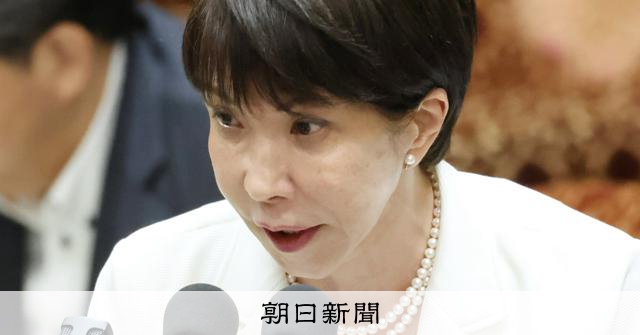
The article discusses the Kishida administration's assertive political approach concerning the Imperial House Law and potential reductions in the imperial family's size. It suggests that while the ultimate outcome might appear similar, the methods employed by the current government represent a significant departure from previous political strategies. The headline implies a forceful implementation of policies that could impact the future structure and composition of the Imperial institution. The phrase 'harsh politics' indicates a potentially contentious or uncompromising style of governance being applied to sensitive matters related to the monarchy. The comparison of 'same ending but big difference' hints at a divergence in process or underlying intent, even if the superficial results are comparable. This suggests a focus on the 'how' rather than just the 'what' of policy-making under Prime Minister Kishida's leadership. The implications for the Imperial family's sustainability and public perception are likely central to this political maneuvering.
The Kishida administration's approach to sensitive issues like the Imperial House Law and personnel adjustments warrants examination through the lens of governance efficiency and public trust. Assertive policy implementation, while potentially expedient, risks alienating stakeholders and undermining long-term consensus. Future-oriented governance in the digital age necessitates transparency and broad consultation to ensure policies are robust and adaptable. The administration's strategy may reflect an attempt to navigate complex societal expectations and institutional continuity, but the long-term success will depend on fostering public understanding and support, rather than relying solely on political leverage. Evaluating the trade-offs between swift action and inclusive deliberation is crucial for maintaining institutional legitimacy.
AI-generated to prompt reflection — not editorial opinion, not advice, not a statement of fact. How this works.