Imperial Household Law Reform Sparks Debate on Gender Discrimination and Contradictions
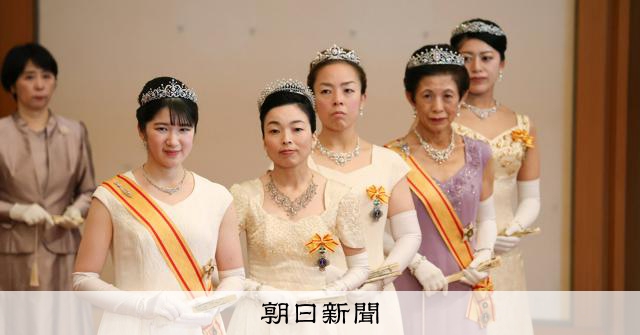
A proposed revision to the Imperial Household Law has drawn criticism for perceived gender discrimination. Critics point to a perceived "male bias" within the proposed changes, suggesting they do not adequately address gender equality concerns. Furthermore, the debate surrounding the revision has highlighted what some see as a contradiction with arguments against allowing married couples to retain separate surnames.
Those who oppose separate surnames often cite the importance of family unity and tradition. However, the same arguments appear to be absent or downplayed in the context of the Imperial Household Law revision. This has led to accusations of inconsistency in the application of principles related to family structure and gender roles. The discussion underscores a broader societal debate about tradition versus modernity, and the evolving understanding of gender equality within Japan's legal and social frameworks.
The debate over the Imperial Household Law revision and separate surnames reflects a tension between preserving traditional family structures and embracing evolving gender equality norms. Critics highlight a potential inconsistency in applying principles of family unity, suggesting that the emphasis on a singular family name for the imperial household may not align with broader societal movements towards individual autonomy and gender parity. This situation prompts consideration of how legal frameworks can adapt to changing social values without undermining cultural heritage, and whether a more flexible approach to family nomenclature could better accommodate diverse perspectives on gender roles and familial identity in the coming decade.
AI-generated to prompt reflection — not editorial opinion, not advice, not a statement of fact. How this works.