Impetigo Spreading Along Adriatic Coast; Doctors Urge Precautions
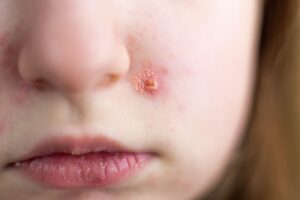
Doctors in Split, Croatia, are warning of an increase in impetigo cases, commonly known as "sweet scab," particularly among children. This bacterial skin infection, which thrives in warm, humid conditions and on damaged skin, is becoming prevalent along the Adriatic coast during the summer months. Health officials from the Teaching Institute of Public Health of Split-Dalmatia County have noted the rise in infections. Impetigo typically presents as red sores that quickly rupture, ooze, and then form a yellowish-brown crust. While generally mild, it is highly contagious and can spread easily through direct contact or contaminated objects. Medical professionals are advising the public to follow specific guidelines to prevent its spread. These measures likely include maintaining good hygiene, such as frequent handwashing, and avoiding close contact with infected individuals. Prompt treatment is also crucial to minimize the duration of the infection and prevent further transmission. The spread highlights the seasonal challenges posed by infectious diseases in coastal regions during peak tourist seasons.
The seasonal increase of impetigo along the Adriatic coast underscores the persistent public health challenge of managing contagious diseases in densely populated tourist areas. Factors such as increased human proximity and shared facilities during summer months create an environment conducive to rapid transmission. Public health messaging and adherence to hygiene protocols are critical interventions, but their effectiveness depends on consistent implementation and accessibility. Looking ahead, the interplay between climate change, which can influence vector-borne and environmentally sensitive infections, and global travel patterns suggests that proactive, adaptive public health strategies will be increasingly vital. This event serves as a reminder of the need for robust surveillance systems and rapid response capabilities to mitigate the impact of common infections, especially in vulnerable populations like children.
AI-generated to prompt reflection — not editorial opinion, not advice, not a statement of fact. How this works.