Imran Khan's Potential Release: Secret Talks Underway, Sources Suggest
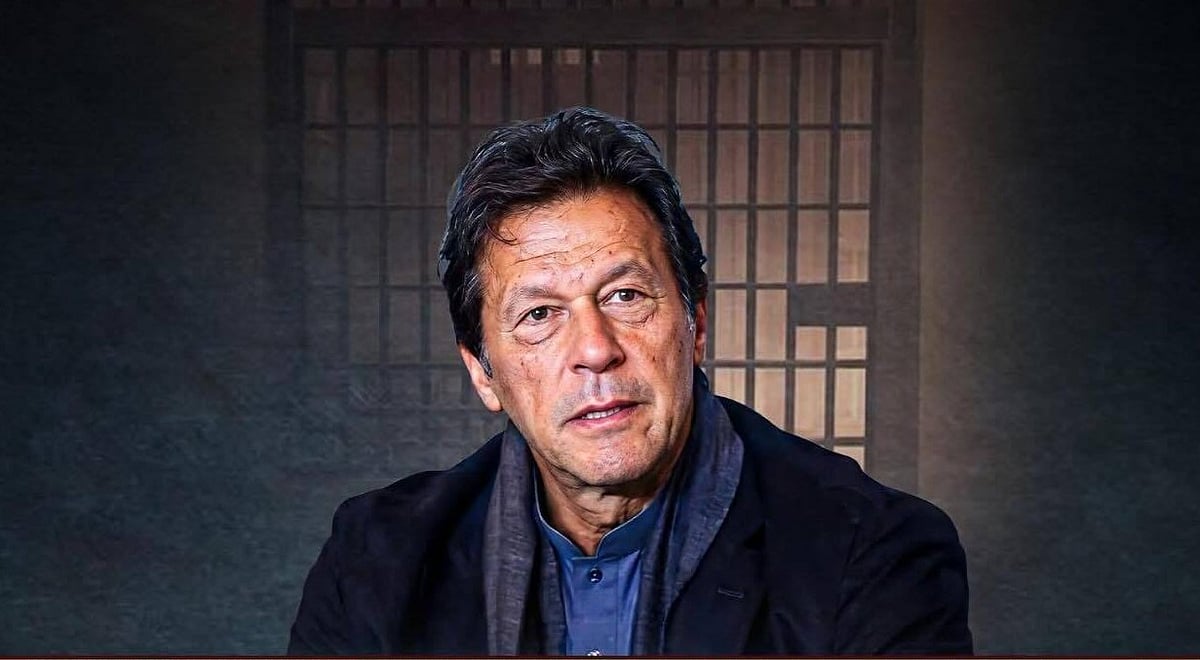
Imran Khan, Pakistan's former Prime Minister and a celebrated cricket captain, has been imprisoned for nearly three years in Adiala Jail, Rawalpindi, under the designation 'prisoner number 804'. He was incarcerated in 2023 on corruption charges following a dispute with the military. Khan, a prominent figure in Pakistan, has been largely out of public view, seen only once during an online court hearing. Recent reports from The Observer suggest that high-ranking Pakistani military officials and close confidants of Khan's family have indicated that secret discussions regarding his release have commenced. The sensitive nature of Khan's detention and potential release has reportedly led to indirect negotiations facilitated by third-party mediators. Sources familiar with the discussions emphasize that resolving this political deadlock is crucial for Pakistan's progress, as the prolonged instability has significantly harmed the country. A potential pathway to de-escalate the situation involves releasing Khan on medical grounds. The 73-year-old leader underwent eye surgery earlier this year, and his family has expressed grave concerns about his deteriorating health following a period of complete communication blackout. His sons, Sulaiman and Qasim Khan, have publicly stated their inability to remain silent, fearing for their father's well-being due to prolonged isolation and lack of regular contact. They highlighted that their father has been completely cut off from the outside world for over seven months, leading to fears of a breakdown in his health. Syed Zulfiqar Bukhari, Khan's international media advisor, echoed these concerns, stating that Khan requires urgent medical attention and is being held in solitary confinement, denied visits from family and lawyers. Bukhari urged the government to prioritize Khan's release based on his health condition.
The reported secret discussions surrounding Imran Khan's potential release highlight the complex interplay between political power, institutional influence, and public stability in Pakistan. The narrative suggests that a pragmatic assessment of national interest, potentially driven by the need to alleviate political and economic stagnation, may be influencing decisions previously perceived as purely punitive. The framing of a medical release offers a face-saving mechanism for all parties involved, sidestepping direct confrontation while addressing humanitarian concerns. This situation underscores the enduring challenge of balancing legal processes with political realities, particularly when dealing with figures who command significant public support. Looking ahead, the resolution of Khan's status could set precedents for future political transitions and the role of the military in civilian governance, impacting Pakistan's trajectory in the coming decade.
AI-generated to prompt reflection — not editorial opinion, not advice, not a statement of fact. How this works.