Inaccurate Agricultural Data Poses Risk to Food Security
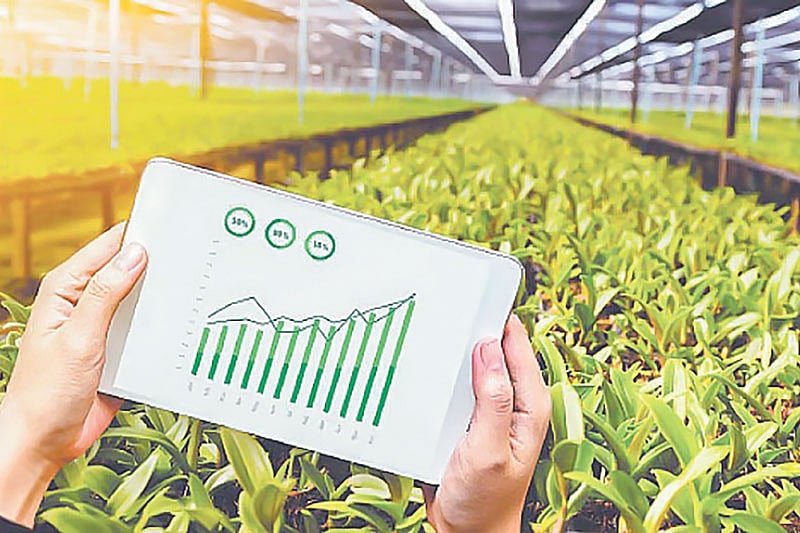
Discrepancies in agricultural statistics, including inflated or underestimated production figures, are creating significant risks to food security. The official government figures often do not align with the realities observed on the ground. This inconsistency can lead to misinformed policy decisions regarding food production, distribution, and storage. When actual yields differ from reported data, it becomes challenging to accurately assess national food reserves and anticipate potential shortages. Such inaccuracies can hinder effective planning for agricultural development and disaster preparedness. Consequently, the reliability of food security strategies is undermined, potentially impacting vulnerable populations. Addressing these statistical gaps is crucial for ensuring a stable and secure food supply.
The reporting of agricultural statistics is a critical function for national food security planning. Inconsistencies between reported production figures and on-the-ground realities suggest potential systemic issues in data collection, verification, or reporting mechanisms. This lack of accurate data can lead to suboptimal resource allocation, potentially impacting farmer incomes and national food reserves. Over time, such inaccuracies could erode confidence in agricultural policy and planning, necessitating a review of data governance frameworks and the incentives for accurate reporting across all levels of the agricultural sector.
AI-generated to prompt reflection — not editorial opinion, not advice, not a statement of fact. How this works.