Inbreeding Led to Smilodon's Decline, Study Suggests
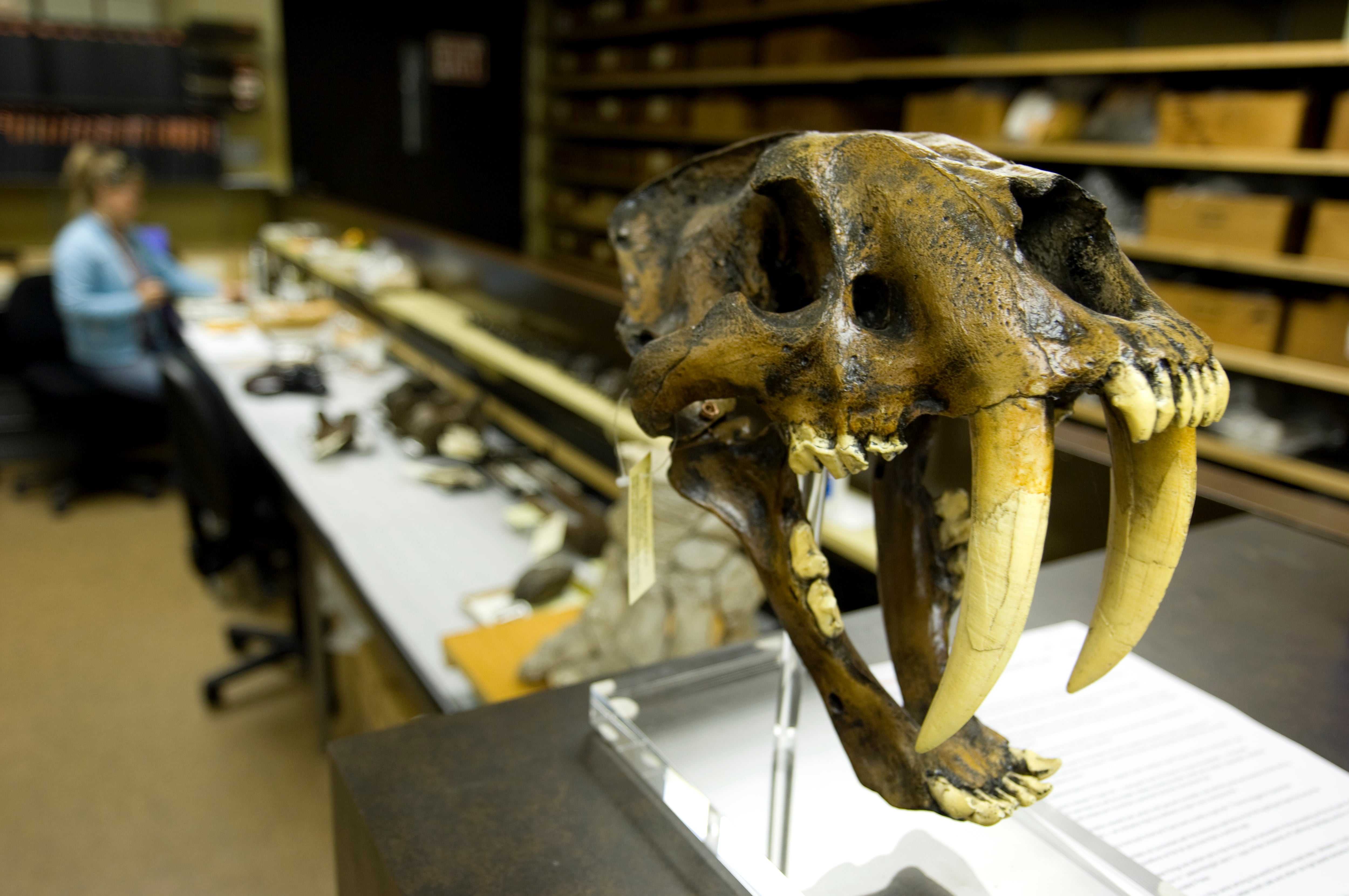
A recent study examining the vertebrae of over 850 saber-toothed cats, known as Smilodons, has uncovered a significant finding regarding their extinction. Researchers discovered a high proportion of genetic mutations within the fossilized remains. These mutations are believed to be the result of inbreeding, a practice common in small, isolated populations. The study suggests that this genetic bottleneck severely weakened the species over time. This genetic degradation likely made them more vulnerable to environmental changes and other pressures. The solitary and painful end of the saber-toothed tigers is thus attributed to their own genetic makeup. The findings shed new light on the complex factors contributing to the extinction of prehistoric megafauna. It highlights how genetic health can be as crucial as external environmental factors for species survival.
This study on Smilodon vertebrae offers a compelling perspective on extinction, moving beyond purely environmental determinism. The identification of high genetic mutation rates linked to inbreeding suggests that internal population dynamics and genetic health played a critical role in the species' demise. This highlights a crucial evolutionary principle: even apex predators are susceptible to the long-term consequences of genetic isolation and reduced diversity, particularly when facing environmental shifts. The findings underscore the importance of genetic resilience in species' survival strategies, a principle that remains highly relevant in the current era of biodiversity loss and habitat fragmentation, where isolated populations face similar challenges.
AI-generated to prompt reflection — not editorial opinion, not advice, not a statement of fact. How this works.
