Inbreeding Threatens Future of World's Most Beautiful Horse, the Friesian
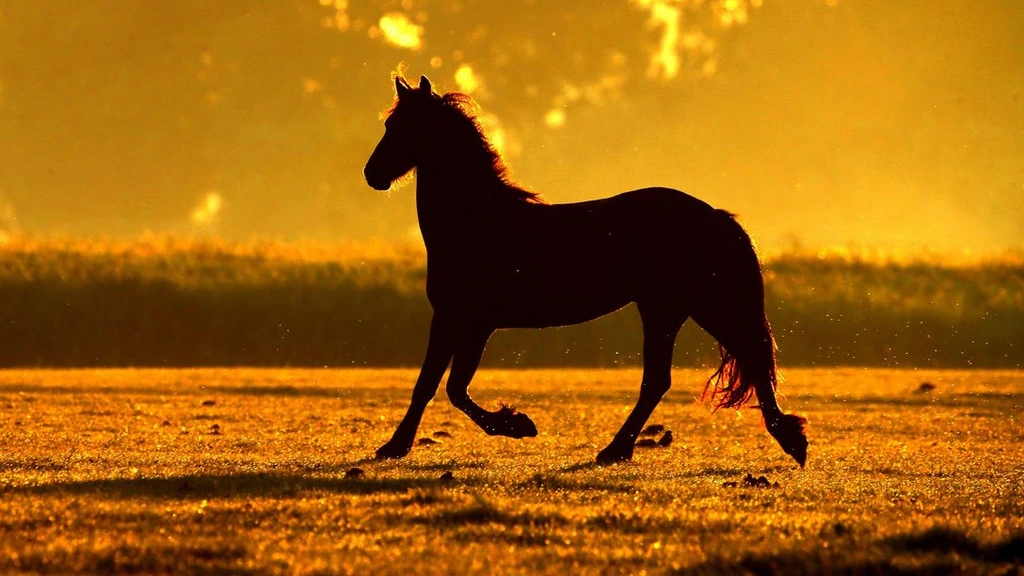
The future of the Friesian horse, renowned for its striking black coat and luxurious mane, is under threat due to severe inbreeding within the breed. This issue stems from the practice of breeding too many foals with a few dominant, related "superstallions," leading to a rise in serious genetic defects. Former breeder Wierd Peter Visser established a reporting center for these health problems, which has been inundated with cases of esophageal, eye, intestinal, and stomach issues. Visser fears that future generations may not be able to experience the Friesian horse if current breeding practices continue. The Friesian, considered the oldest native Dutch horse breed with roots tracing back to Roman times, was recognized in the United States in 2016 as the world's most beautiful horse. Historically used as warhorses and later for agriculture in Friesland, the breed faced near extinction in the late 19th century due to crossbreeding. To preserve its purity, 22 breeders founded a studbook in 1879, establishing a strict breeding program that has largely avoided crossbreeding ever since. However, current breeding patterns reveal that over a third of foals born in 2022 are descendants of just ten popular stallions, exacerbating the inbreeding problem. Research indicates the breed now suffers from over twenty hereditary conditions, including hydrocephalus, esophageal obstructions, aortic rupture, and neurological disorders. Some breeders, like Stephanie Dietrich, have stopped due to the emotional and physical toll of stillbirths and difficult deliveries, with one case involving a foal requiring dismemberment to save the mare. Many involved parties remain silent due to fear of misunderstanding, threats, or financial repercussions, especially given that a single dose of semen from a top stallion can cost around 1500 euros. The Royal Friesian Studbook (KFPS) acknowledges the inbreeding danger and had its independent Breeding Council propose measures in 2021, such as limiting superstallions to 120 coverings and introducing more outside stallions. However, the KFPS board rejected this plan, citing legal and practical concerns. A new breeding and selection plan is currently being developed by a KFPS project group, due in late 2024, while the organization states that health remains a top priority.
The breeding practices of the Friesian horse highlight a systemic tension between preserving a breed's unique characteristics and ensuring its long-term genetic health and viability. The reliance on a limited number of highly popular stallions, driven by commercial interests and a desire for specific traits, creates a genetic bottleneck. This concentration of desirable genes, while seemingly beneficial in the short term for achieving breed standards, significantly increases the risk of recessive genetic disorders manifesting in offspring. The KFPS faces a governance challenge in balancing the economic incentives for breeders and stallion owners with the imperative of genetic diversity. Future strategies will need to incorporate robust genetic screening, potentially broader international genetic contributions, and a revised incentive structure that rewards responsible, diverse breeding over the maximization of a few popular bloodlines. This situation serves as a microcosm for broader discussions on sustainable practices in animal husbandry and the ethical considerations of genetic selection in the face of evolving scientific understanding and public awareness.
AI-generated to prompt reflection — not editorial opinion, not advice, not a statement of fact. How this works.